In the realm of industrial automation and safety systems, proximity sensors have long been indispensable components. These devices detect the presence or absence of objects without physical contact, relying on electromagnetic fields, infrared light, or ultrasonic waves. However, as industries evolve towards smarter and more integrated operations, the demand for enhanced functionality has grown. One significant advancement is the integration of alarm functions into proximity sensors, transforming them from mere detection tools into proactive safety and monitoring assets.
Proximity sensors with alarm capabilities are designed to not only sense objects but also trigger alerts when specific conditions are met. This feature is particularly valuable in environments where immediate response is critical, such as manufacturing lines, robotics, and hazardous material handling. The alarm function can be configured to activate based on various parameters, including distance thresholds, object recognition errors, or sensor malfunctions. For instance, if a sensor detects an object too close to a moving robotic arm, it can sound an audible alarm or send a signal to halt operations, preventing potential collisions or damage.
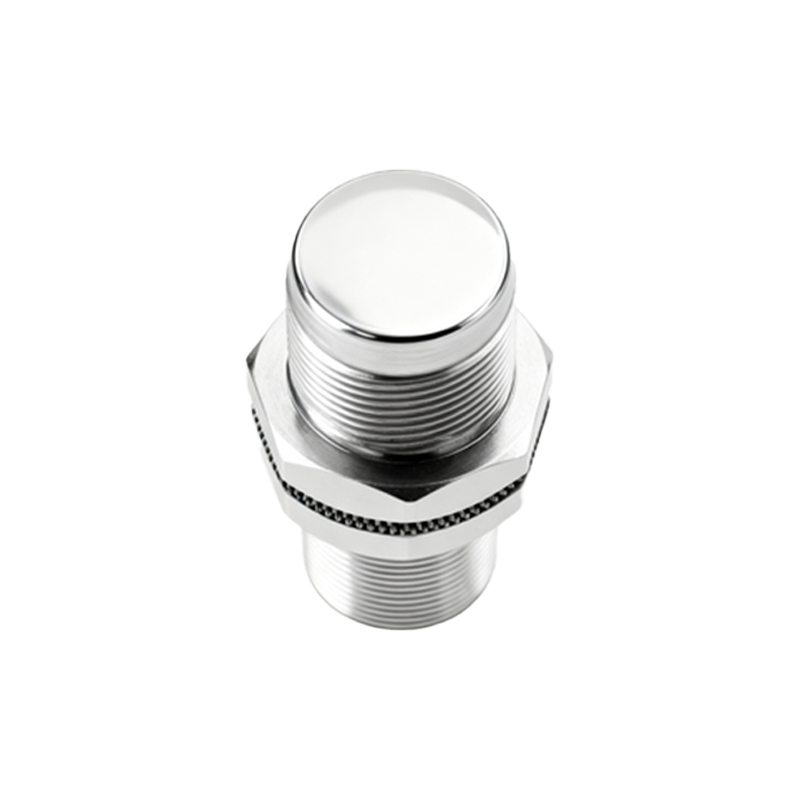
The technology behind these sensors varies depending on the application. Inductive proximity sensors, commonly used for metal detection, can incorporate alarm outputs that activate when a target is within a predefined range. Capacitive sensors, suitable for non-metallic materials, offer similar features with adjustable sensitivity to avoid false alarms. Ultrasonic and photoelectric sensors, ideal for longer ranges or transparent objects, often include built-in diagnostics that trigger alarms if sensing conditions degrade due to contamination or misalignment.
From a safety perspective, proximity sensors with alarms contribute significantly to risk mitigation. In compliance with standards like ISO 13849 for machinery safety, these sensors can be part of safety-rated systems that ensure fail-safe operations. Alarms may be integrated with visual indicators (e.g., LED lights) or connected to centralized control systems via industrial protocols like IO-Link or PROFINET, enabling real-time monitoring and data logging. This connectivity allows for predictive maintenance, as alarms can signal wear or environmental changes before a complete failure occurs, reducing downtime and maintenance costs.
In practical applications, such sensors are deployed across diverse sectors. In automotive assembly lines, they monitor part positioning and trigger alarms if components are misaligned, ensuring quality control. In food processing, sensors with hygiene-rated alarms detect foreign objects or container jams, safeguarding product integrity. Even in warehouse automation, proximity sensors with alarms help manage inventory by alerting staff to bin levels or unauthorized access.
Despite their benefits, implementing proximity sensors with alarm functions requires careful consideration. Factors like environmental conditions (e.g., temperature, humidity, or electromagnetic interference), installation accuracy, and calibration must be addressed to optimize performance. False alarms can disrupt operations if sensors are not properly tuned, while missed alerts might compromise safety. Therefore, selecting sensors with robust housing, adjustable parameters, and reliable output signals is essential.
Looking ahead, the integration of IoT and AI is poised to enhance these sensors further. Smart proximity sensors could use machine learning to analyze patterns and predict failures, with alarms becoming more nuanced—escalating from warnings to shutdowns based on severity. As industries embrace Industry 4.0, the role of proximity sensors with alarm functions will expand, driving efficiency and safety to new heights.
In summary, proximity sensors with alarm functions represent a critical evolution in industrial technology. By combining detection with immediate alerting, they offer a layered approach to safety and operational control. Engineers and system designers should evaluate their specific needs to leverage these tools effectively, ensuring that alarms are not just reactive but integral to a proactive, intelligent workflow.