In the industrial automation and machinery sectors, waterproof proximity sensors are essential components for detecting the presence or absence of objects without physical contact, even in harsh, wet environments. These sensors are widely used in applications such as food processing, marine equipment, outdoor machinery, and washdown areas where exposure to water, dust, or chemicals is common. The cost of a waterproof proximity sensor varies significantly based on several factors, including sensor type, technology, brand, performance specifications, and environmental ratings. Generally, prices can range from as low as $20 to over $500 per unit, with most standard industrial models falling between $50 and $200.
The primary determinant of cost is the sensing technology employed. Inductive proximity sensors, which detect metallic objects, are typically the most affordable, with basic waterproof models starting around $20 to $50. These are suitable for general-purpose use in damp conditions. Capacitive sensors, capable of detecting both metallic and non-metallic materials like liquids or plastics, tend to be slightly more expensive, often ranging from $40 to $150. Ultrasonic and photoelectric waterproof proximity sensors, offering longer detection ranges and higher precision, command higher prices, usually from $100 to $500 or more, depending on advanced features like adjustable sensing distances or enhanced accuracy.
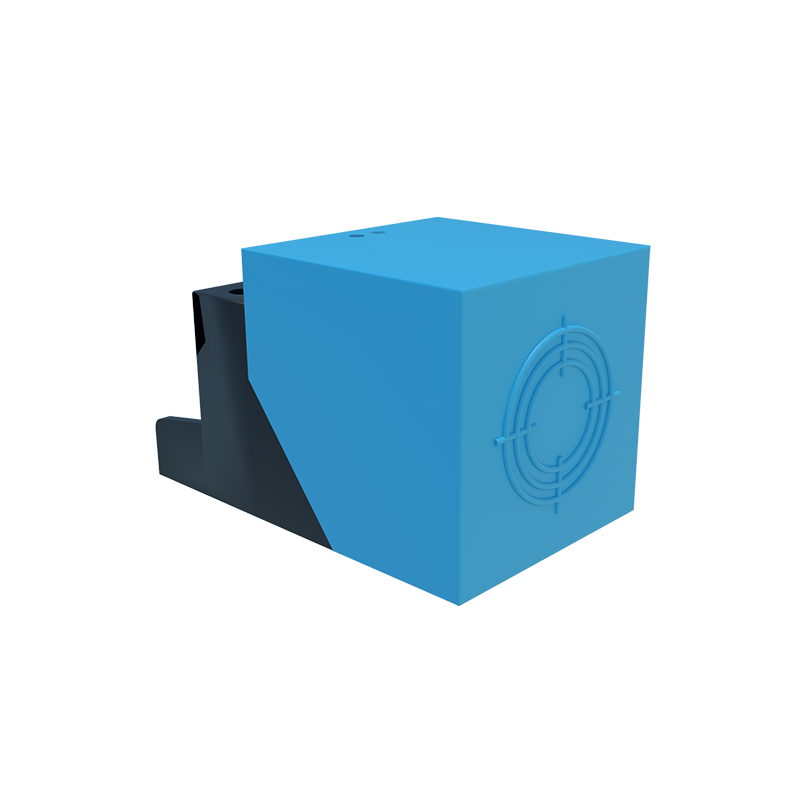
Brand reputation and quality also play a crucial role in pricing. Established manufacturers such as Omron, Schneider Electric, Sick, or Balluff typically charge premium prices due to their reliability, durability, and compliance with international standards. For instance, a high-end waterproof inductive sensor from a top-tier brand might cost $150 to $300, while a comparable model from a lesser-known supplier could be available for $30 to $100. However, investing in reputable brands often reduces long-term maintenance costs and downtime, making them a cost-effective choice for critical applications.
Environmental protection ratings, particularly the Ingress Protection (IP) code, directly influence cost. Sensors with higher IP ratings, such as IP67 (dust-tight and protected against temporary immersion) or IP68/IP69K (suitable for continuous submersion or high-pressure washdowns), are more expensive due to robust sealing and materials. A standard IP67-rated sensor may cost $50 to $150, while an IP68/IP69K-rated unit can exceed $200. Additionally, certifications for hazardous areas (e.g., ATEX or IECEx) or specific industry standards (like FDA compliance for food processing) add to the expense.
Other factors affecting price include sensing range, output type (e.g., NPN, PNP, analog, or IO-Link), housing material (stainless steel vs. plastic), and additional features like temperature resistance or programmability. For bulk purchases, discounts are often available, reducing the per-unit cost by 10% to 30% for large orders. It's advisable to consult with suppliers or distributors to get accurate quotes tailored to your project needs. In summary, while upfront costs vary, selecting the right waterproof proximity sensor based on application requirements ensures optimal performance and longevity, ultimately providing better value for money in industrial settings.