In the intricate world of industrial automation, the reliability of a production line often hinges on the performance of its most fundamental components. Among these, cylindrical proximity sensors stand as critical workhorses, providing non-contact detection of metallic and, in some cases, non-metallic objects. Selecting the right supplier for these sensors is not merely a procurement task; it is a strategic decision impacting machine uptime, maintenance costs, and overall system integrity. This guide delves into the key considerations for evaluating cylindrical proximity sensor suppliers, highlighting industry leaders and emerging trends.
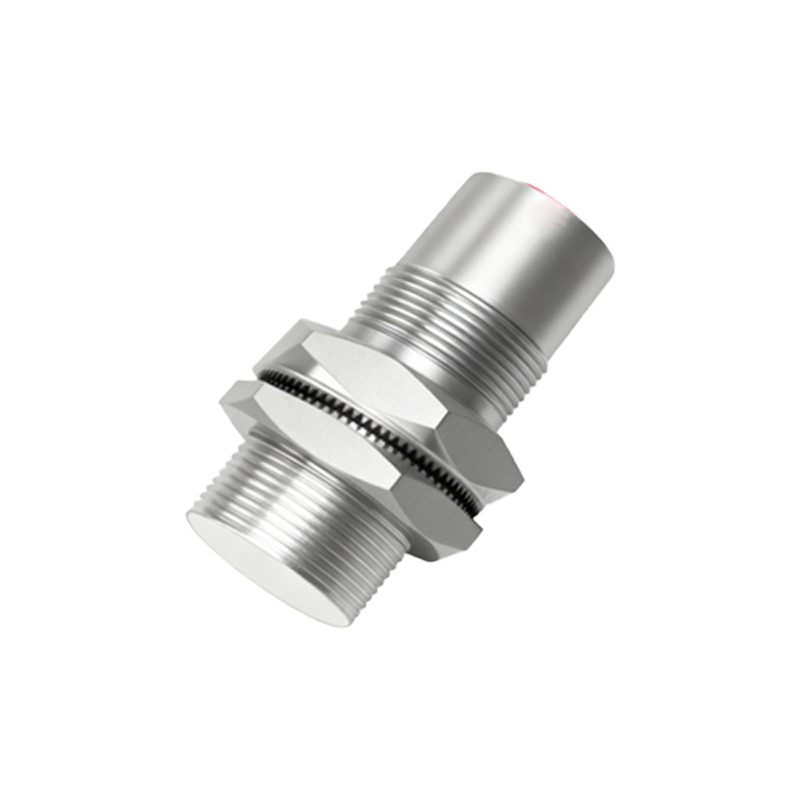
The global market for proximity sensors is vast and competitive, with suppliers ranging from long-established industrial automation giants to specialized niche manufacturers. Leading this field are multinational corporations like Sick AG, Omron Corporation, Pepperl+Fuchs, Balluff GmbH, and ifm electronic gmbh. These suppliers have built their reputations on decades of engineering excellence, offering extensive product portfolios that include a wide array of cylindrical housings (e.g., M8, M12, M18, M30), sensing technologies (inductive, capacitive), and output configurations (PNP, NPN, analog, IO-Link). Their strengths lie in global distribution networks, comprehensive technical support, and robust R&D departments that continuously push the boundaries of sensing distance, temperature tolerance, and housing durability (e.g., stainless steel versions for harsh environments).
However, the landscape is not solely dominated by these titans. A second tier of highly competent suppliers, such as Turck, Banner Engineering, Rockwell Automation (Allen-Bradley), and Panasonic, offers compelling alternatives. These companies often compete aggressively on specific performance metrics, application-specific designs, or value-added services. For instance, some specialize in ultra-miniature cylindrical sensors for tight spaces, while others focus on high-speed models for rapid assembly lines or intrinsically safe versions for hazardous areas. Evaluating these suppliers requires a deep dive into their application notes, technical specifications, and real-world case studies relevant to your industry, whether it be automotive, packaging, material handling, or food and beverage.
Beyond brand names, the evaluation of a cylindrical proximity sensor supplier must be rooted in concrete technical and commercial criteria. First and foremost is product quality and consistency. This encompasses not just the initial performance but also the mean time between failures (MTBF) and the sensor's immunity to environmental interference like electrical noise, coolant fluids, or metal chips. Reputable suppliers provide detailed datasheets with independently verified specifications. Secondly, technical support and engineering expertise are invaluable. A supplier with knowledgeable application engineers can help solve complex installation challenges, such as sensing in flush-mounted conditions or avoiding mutual interference between multiple sensors.
The third critical pillar is supply chain reliability and logistics. In today's just-in-time manufacturing environment, the ability of a supplier to deliver products consistently and on schedule is paramount. This includes their inventory management, lead times for standard and custom products, and geographic distribution capabilities. Furthermore, total cost of ownership (TCO) should be analyzed instead of just unit price. Factors like energy efficiency (two-wire DC sensors), longevity, and ease of replacement contribute significantly to the TCO. Finally, the adoption of Industry 4.0 and smart sensor technology is a key differentiator. Suppliers offering cylindrical sensors with integrated IO-Link functionality provide immense value by enabling digital parameter setting, advanced diagnostics, and process data monitoring, facilitating predictive maintenance strategies.
Emerging trends are also shaping the supplier ecosystem. There is a growing demand for more versatile sensors that can detect a broader range of materials, leading to advancements in capacitive and ultrasonic cylindrical designs. Additionally, the push for miniaturization continues, requiring suppliers to pack more sensing power into smaller M5 and M8 housings. Sustainability considerations are also coming to the fore, with suppliers focusing on energy-efficient designs and recyclable materials.
In conclusion, selecting a cylindrical proximity sensor supplier is a multifaceted process that balances technical prowess with commercial partnership. While established leaders offer security and breadth, specialized suppliers can provide optimized solutions for unique challenges. A thorough evaluation framework focusing on product quality, technical support, supply chain robustness, TCO, and digital readiness will guide procurement specialists and plant engineers toward a partnership that ensures operational resilience and paves the way for future automation advancements. Engaging with supplier demos, requesting samples for rigorous in-house testing, and reviewing their global service footprint are indispensable steps in this critical selection journey.