In the realm of industrial automation and machinery monitoring, the accurate measurement of rotational speed is paramount for process control, safety, and predictive maintenance. Among the various technologies employed, proximity switch speed sensors stand out for their robustness, non-contact operation, and reliability in harsh environments. This article delves into the working principles, common types, key applications, and critical selection factors for these indispensable components.
At its core, a proximity switch speed sensor detects the presence or absence of a target object without physical contact. When configured for speed sensing, the target is typically a gear tooth, keyway, bolt head, or a dedicated metal disc with protrusions mounted on a rotating shaft. The sensor generates an oscillating electromagnetic field. When a metallic target enters this field, eddy currents are induced in the target, causing a change in the oscillation amplitude or frequency within the sensor. This change is detected by the sensor's internal circuitry, which subsequently triggers a solid-state switch, producing a clean, digital output pulse. The frequency of these pulses is directly proportional to the rotational speed of the shaft.
The two predominant types of proximity sensors used for speed measurement are inductive and capacitive. Inductive proximity sensors are the most common for this application. They detect ferrous and non-ferrous metals (like aluminum or copper) with varying sensing distances and are highly resistant to environmental contaminants such as dust, oil, and coolant. Capacitive proximity sensors can detect both metallic and non-metallic materials (e.g., plastics, liquids) but are more sensitive to environmental changes like humidity and are less frequently the first choice for dedicated metal-target speed sensing.
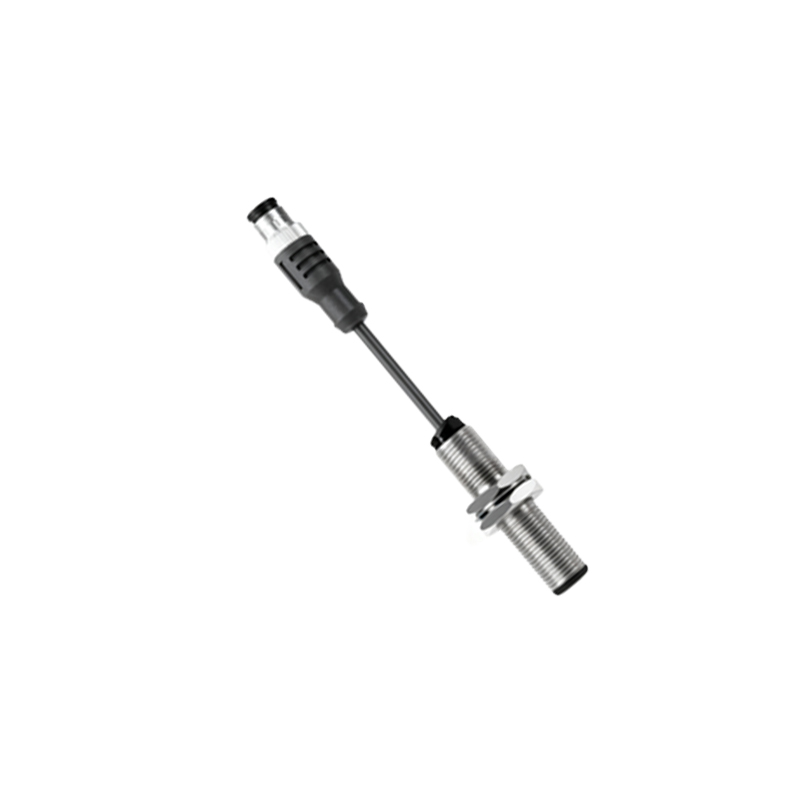
The applications for proximity switch speed sensors are vast and critical. They are extensively used for:
Motor and Pump Speed Monitoring: Ensuring motors operate within safe and efficient RPM ranges, preventing damage from overspeed or underspeed conditions.
Conveyor Belt Speed Control: Providing feedback for variable frequency drives (VFDs) to maintain consistent line speeds in packaging, assembly, and material handling.
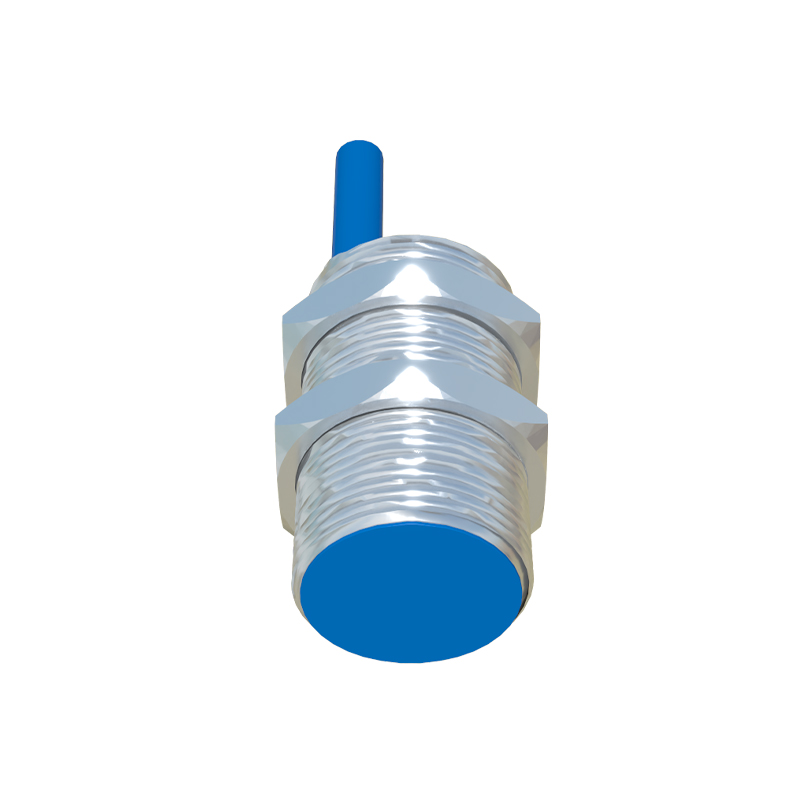
Tachometry on Rotating Machinery: From turbines and fans to rollers and spindles, providing real-time RPM data for operational dashboards and control systems.
Over-speed and Under-speed Protection: Acting as a primary safety device in elevators, cranes, and heavy machinery to trigger alarms or shutdown sequences if dangerous speed limits are breached.
Synchronization Control: Ensuring multiple driven sections, such as in printing or textile machinery, rotate in precise synchrony.
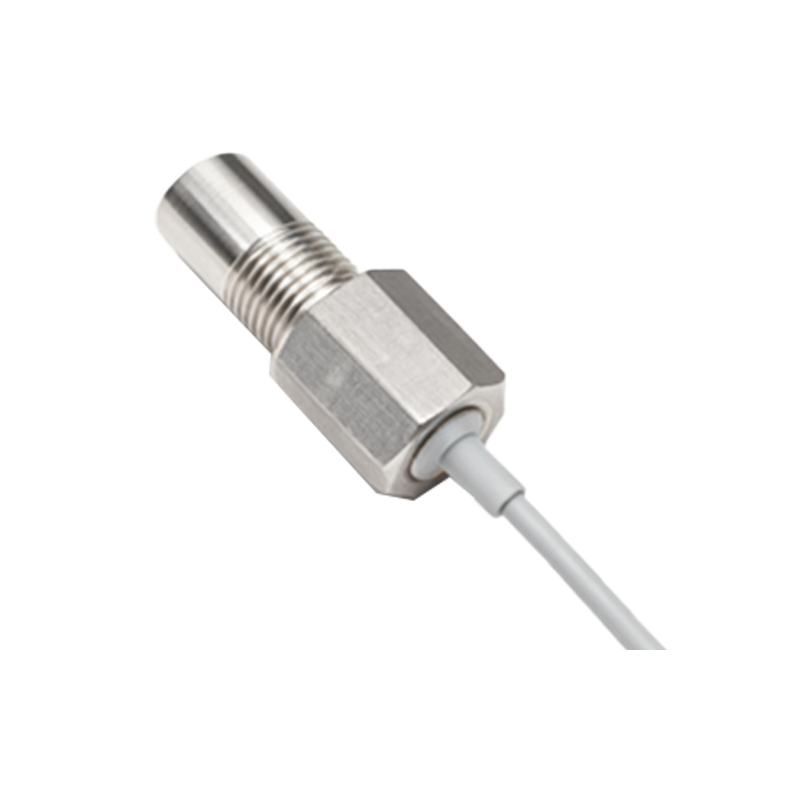
Selecting the right proximity sensor for a speed measurement task requires careful consideration of several parameters:
1. Sensing Distance: The nominal range at which the sensor can reliably detect the target. Must account for installation tolerances and thermal expansion.
2. Target Material and Size: The sensor must be matched to the target's metal type and physical size. The target should be at least as large as the sensor's active face for optimal performance.
3. Output Type: NPN (sinking) or PNP (sourcing) transistor outputs are standard. The choice must be compatible with the controller's input card (PLC, frequency counter, etc.).
4. Switching Frequency: The maximum number of output pulses per second the sensor can handle. It must exceed the maximum pulse frequency generated by the target at the highest anticipated RPM.
5. Environmental Rating: The housing material and Ingress Protection (IP) rating are crucial. Stainless steel housings with IP67 or IP69K ratings are common for washdown or outdoor applications involving moisture, chemicals, and physical impact.
6. Electrical Connections: Choices include pre-wired cables, quick-disconnect connectors, or terminal connections, impacting installation and maintenance ease.
Installation is a critical factor for reliable operation. The sensor must be mounted securely to minimize vibration, with its face parallel to the target's plane of movement. Axial and radial runout of the target must be within the sensor's specified limits to prevent false pulses or loss of signal. Proper shielding and routing of cables are essential to minimize electrical noise interference, especially in environments with variable frequency drives or large motors.
In conclusion, proximity switch speed sensors are a fundamental and versatile solution for rotational speed measurement. Their non-contact nature ensures long service life and minimal maintenance, while their solid-state design offers fast response and high reliability. By understanding their operating principles and meticulously applying selection criteria related to the target, environment, and electrical requirements, engineers and technicians can ensure accurate, dependable speed monitoring that enhances the efficiency, safety, and longevity of industrial machinery.