Capacitive proximity sensors are indispensable components in modern industrial automation, offering reliable non-contact detection for a wide range of materials. The KD5018 model stands out as a robust and versatile solution, engineered to meet the rigorous demands of diverse production environments. This article delves into the operational principles, key specifications, and practical applications of the KD5018 capacitive proximity switch sensor, providing valuable insights for engineers and technicians.
At its core, the KD5018 operates on the principle of capacitive sensing. Unlike inductive sensors that detect only metals, capacitive sensors generate an electrostatic field. When any object—be it solid, liquid, granular, or even a powder—enters this field, it causes a measurable change in the sensor's capacitance. This change triggers the sensor's output switch, signaling the presence or absence of the target. The KD5018 is particularly noted for its ability to detect non-metallic materials through non-ferrous containers, such as plastic or glass, making it ideal for level detection of liquids, pellets, or other substances.
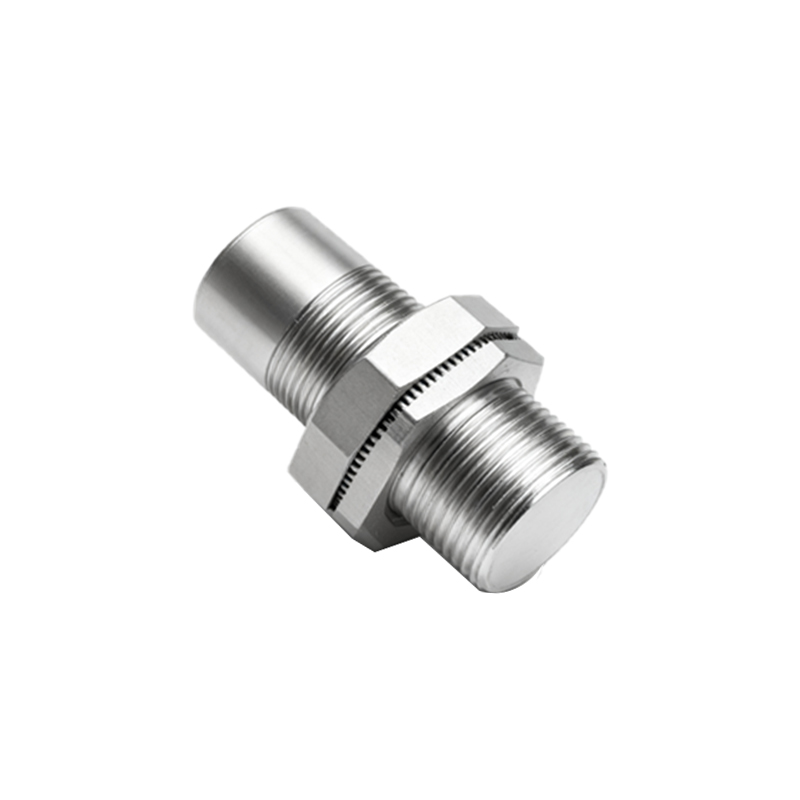
The technical specifications of the KD5018 underscore its reliability. Typically featuring a sensing range adjustable up to 18mm, it offers flexibility for various installation setups. It is designed with a robust housing, often in nickel-plated brass or stainless steel, ensuring high resistance to corrosion, moisture, and mechanical stress—qualities essential for harsh industrial settings like food processing, chemical plants, or outdoor applications. The sensor commonly supports both NPN (sinking) and PNP (sourcing) output configurations, providing compatibility with a broad spectrum of PLCs (Programmable Logic Controllers) and control systems. Furthermore, many variants include built-in protection against short-circuit, overload, and reverse polarity, enhancing system durability and reducing downtime.
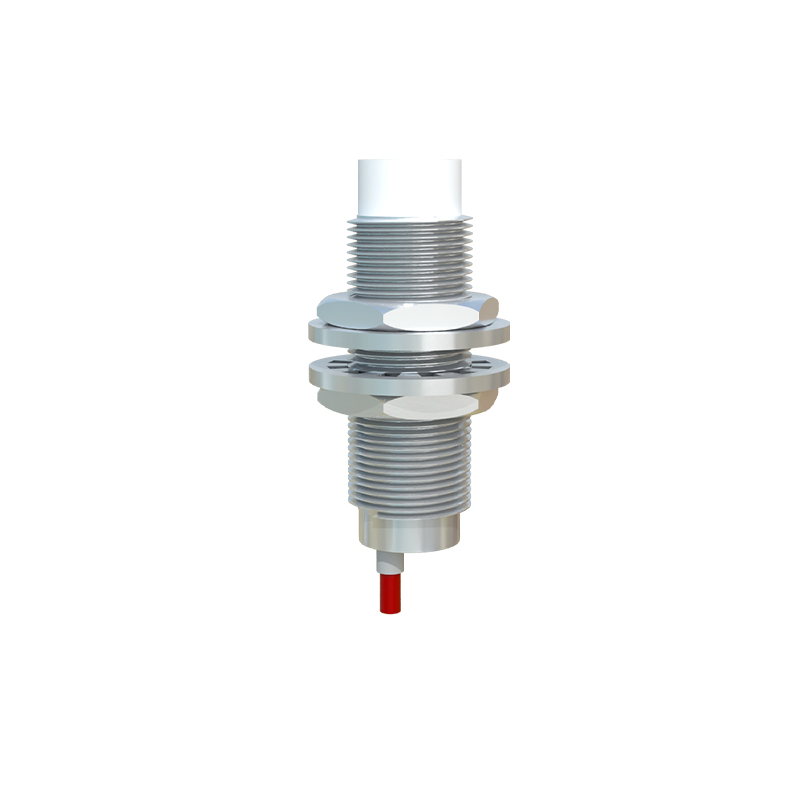
A significant advantage of the KD5018 is its adjustable sensitivity. This feature allows technicians to fine-tune the detection threshold, effectively ignoring the container wall and focusing solely on the target material inside. This capability is crucial in applications like monitoring the fill level of bottles on a conveyor or detecting the presence of glue inside a wooden panel. The sensor's response time is typically fast, in the millisecond range, ensuring it can keep pace with high-speed production lines without missing a detection event.
In practical terms, the applications of the KD5018 are extensive. In packaging machinery, it reliably detects the presence of cardboard, plastic films, or labels. In the automotive industry, it can sense fluids like oil or coolant through reservoir walls. Agricultural equipment utilizes these sensors for grain or seed level monitoring in silos. The food and beverage sector benefits from its ability to detect liquids, pastes, or powders through hygienic barriers, often in washdown environments where IP67 or IP69K ratings are mandatory. Proper installation is key to optimal performance. Engineers must consider factors such as the dielectric constant of the target material, the thickness and material of any intervening barrier, and potential interference from surrounding objects or electrical noise. Mounting the sensor correctly, ensuring a stable power supply, and following manufacturer guidelines for wiring are fundamental steps for reliable operation.
Maintenance of the KD5018 is generally minimal due to its non-contact nature, which eliminates mechanical wear. However, regular checks are recommended to ensure the sensing face remains clean from debris, dust, or buildup that could cause false triggering. Calibration of the sensitivity may be required if the application conditions change significantly.
In conclusion, the KD5018 capacitive proximity switch sensor represents a blend of sophisticated sensing technology and practical industrial design. Its ability to detect a vast array of materials, coupled with robust construction and user-adjustable features, makes it a go-to choice for solving complex detection challenges. By understanding its capabilities and application nuances, automation professionals can significantly enhance system efficiency, reliability, and safety across countless industrial processes.