In industrial automation and machinery, proximity sensors are fundamental components for detecting the presence or absence of objects without physical contact. A common question among maintenance technicians and engineers is: "Do proximity sensors stay lit when they are broken or malfunctioning?" The answer is not straightforward, as it depends on the sensor type, failure mode, and design.
Proximity sensors typically include an indicator LED, which is intended to provide visual feedback about their operational status. This LED usually lights up when the sensor is powered and functioning correctly, and it may change state (e.g., turn on, off, or blink) when an object is detected within its sensing range. However, when a sensor fails, the behavior of this LED can vary significantly.
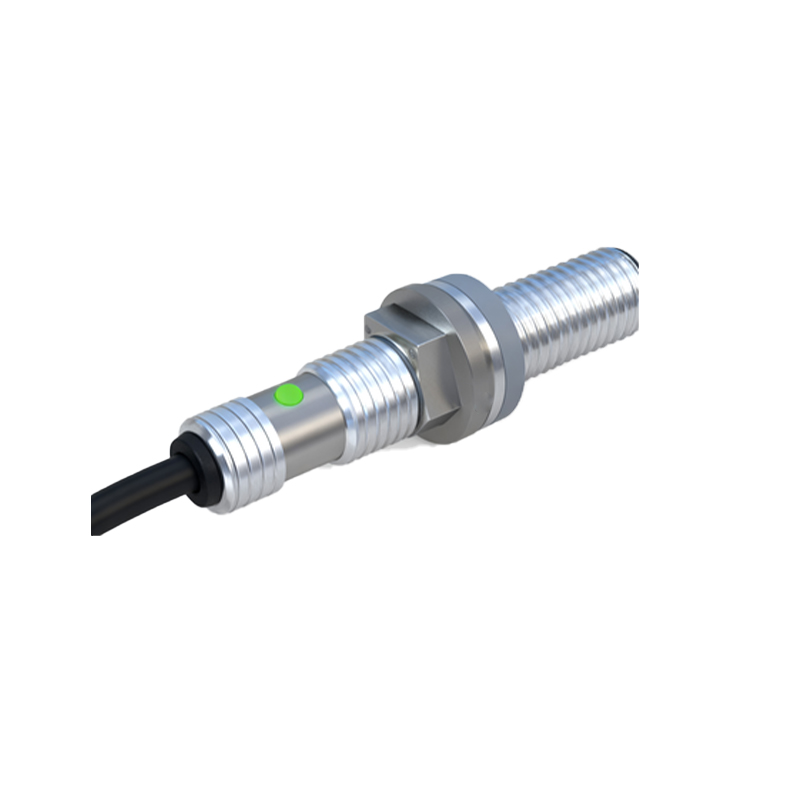
For instance, in a normally open (NO) inductive proximity sensor, the LED might remain illuminated continuously if there is an internal short circuit in the output switching element. This could give a false indication that the sensor is detecting an object when it is not. Conversely, if the sensor's oscillator circuit (which generates the electromagnetic field for detection) fails, the LED might not light up at all, even when power is applied. In some cases, a damaged sensor might cause the LED to flicker erratically, indicating an intermittent fault.
Capacitive and photoelectric proximity sensors exhibit similar variability. A photoelectric sensor with a contaminated lens or a failing emitter might still have its power indicator LED on, but its output signal could be unreliable. This highlights a critical point: the indicator LED often shows power status and basic functionality, not necessarily the accuracy of the sensing output. Therefore, a lit LED does not guarantee that the sensor is operating correctly.
Several failure modes can lead to a sensor being "on" or lit when it should not be. These include:
1. Internal Short Circuits: Component failures can cause the output to be permanently activated.
2. Power Supply Issues: Overvoltage or voltage spikes might damage the sensor's electronics, leading to erratic LED behavior.
3. Environmental Damage: Exposure to moisture, chemicals, or extreme temperatures can corrupt internal circuits, potentially causing the LED to remain lit.
4. Wiring Faults: Shorts in the cabling or incorrect connections might send continuous signals to the indicator.
To accurately diagnose a faulty proximity sensor, relying solely on the LED is insufficient. Best practices involve:
- Using a Multimeter: Check the output voltage or current to verify if it matches the expected state.
- Oscilloscope Analysis: For advanced diagnostics, examining the sensor's signal waveform can reveal issues.
- Functional Testing: Place a target object within the specified sensing range and observe both the LED and the output signal.
- Consulting the Datasheet: Manufacturer documentation often includes troubleshooting guides and LED status charts.
In summary, a proximity sensor may remain lit when malfunctioning, depending on the nature of the fault. The indicator LED is a helpful tool for initial assessments, but it should not be the sole criterion for determining sensor health. Regular maintenance, proper installation, and comprehensive testing are essential to ensure reliable operation in industrial settings. Understanding these nuances helps prevent downtime and enhances system safety.