Proximity sensors, the workhorses of industrial automation, are renowned for their reliability and non-contact operation. However, the question "Can proximity sensors fail?" is a critical one for any engineer or maintenance professional. The unequivocal answer is yes. While designed for durability in harsh environments, they are not immune to malfunction. Understanding the common failure modes, their root causes, and preventive strategies is essential for minimizing downtime and ensuring system integrity.
The primary failure mechanisms of proximity sensors can be categorized into electrical, physical, and environmental factors.
Electrical Failures are among the most frequent. These include:
Overvoltage and Voltage Spikes: Transients on the power supply line, often from inductive loads like solenoids or motors switching, can damage the sensor's internal circuitry. Even brief spikes exceeding the sensor's rated voltage can degrade or destroy semiconductor components.
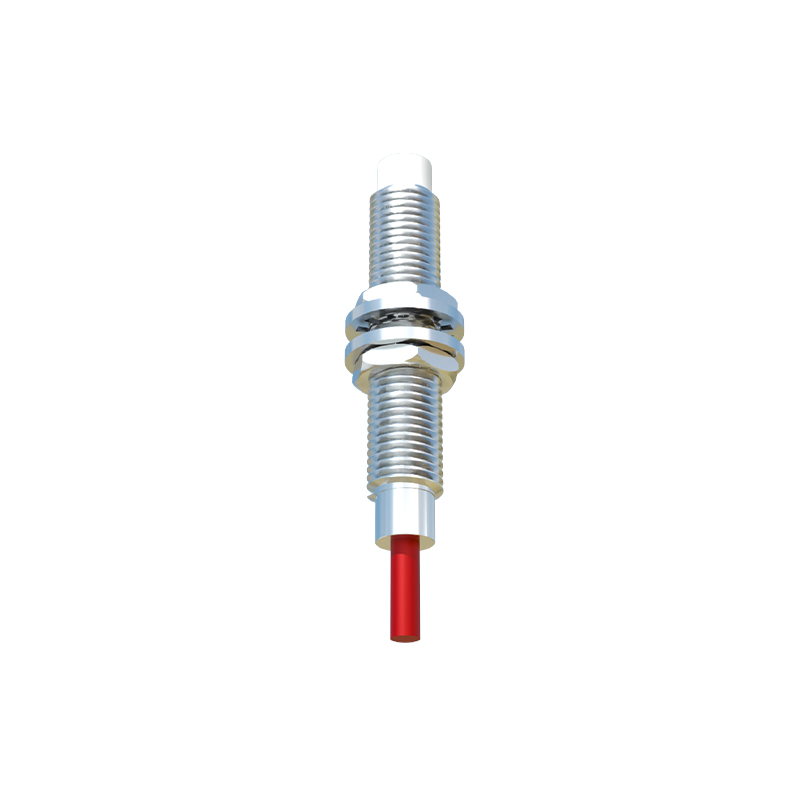
Short Circuits and Overcurrent: Physical damage to the cable or ingress of conductive contaminants can cause short circuits. Incorrect wiring, such as connecting an AC sensor to a DC supply or vice-versa, leads to immediate failure or permanent damage.
Electrical Noise (EMI/RFI): Strong electromagnetic interference from nearby variable frequency drives (VFDs), welding equipment, or high-current cables can induce false signals, cause erratic switching behavior, or interfere with the oscillator circuit in inductive sensors.
Physical and Mechanical Failures stem from operational stress and improper handling:
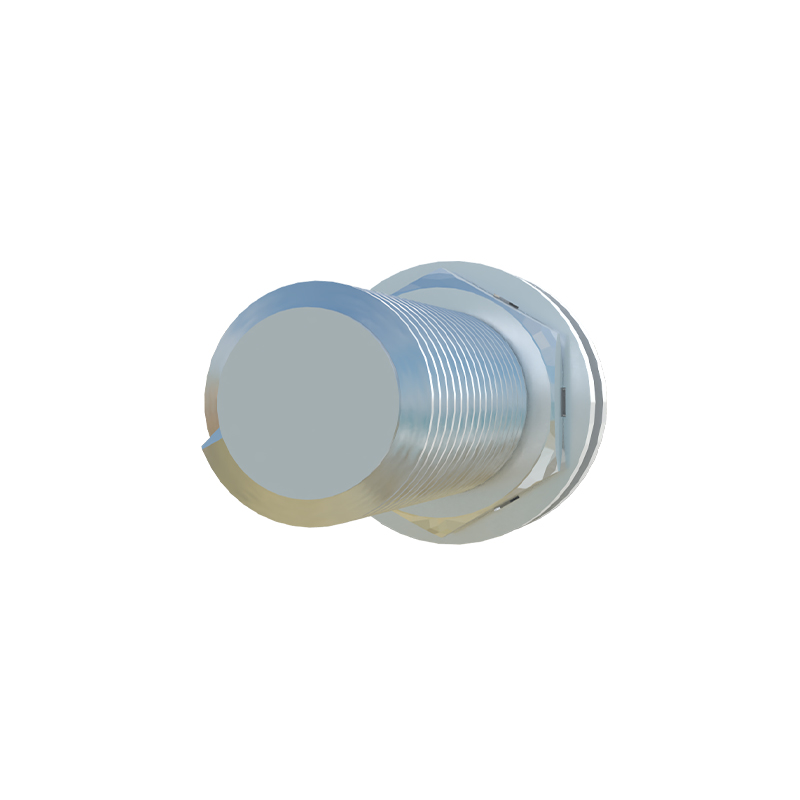
Sensor Head Damage: The active face of the sensor is vulnerable. Accumulation of metal chips, swarf, or other debris can attenuate the sensing field. Direct physical impact from misaligned machine parts or tools can crack the housing or epoxy potting.
Cable and Connection Issues: The cable is often the weakest link. Repeated flexing, tension, or crushing can break internal wires. Connectors can become corroded, loose, or damaged. Vibration can loosen terminal block connections over time.
Wear and Tear: In applications with constant high-speed sensing, the internal components experience thermal cycling and stress. While solid-state with no moving parts, the electronic components have a finite lifespan, though typically very long.
Environmental Factors pose a significant threat to sensor longevity:
Chemical Exposure: Harsh chemicals, oils, coolants, or solvents can attack the sensor housing material, degrade seals, and eventually penetrate the interior, corroding electronics.
Temperature Extremes: Operating outside the specified temperature range is detrimental. Excessive heat accelerates component aging and can cause thermal runaway. Extreme cold can make plastics brittle and affect the performance of internal oscillators.
Moisture and Humidity: Condensation or direct water ingress, especially in washdown environments, can lead to short circuits, corrosion on circuit boards, and failure of the sensing element.
How to Diagnose and Prevent Failures?
Diagnosis often starts with basic checks: verifying power supply voltage, inspecting for physical damage or contamination, and checking wiring integrity with a multimeter. Observing the sensor's indicator LED (if present) can provide immediate clues.
Prevention is far more cost-effective than reaction. Key strategies include:
1. Proper Selection: Choose a sensor with an appropriate IP (Ingress Protection) rating, temperature rating, and housing material (e.g., stainless steel for corrosive areas). Ensure the electrical specifications (AC/DC, voltage, output type) match the control system.
2. Correct Installation: Follow manufacturer guidelines for mounting distances (to avoid short-range damping effects), use proper shielding and conduit in high-noise environments, and ensure cables are routed away from heat sources and moving parts. Use strain relief on cables.
3. Electrical Protection: Implement protective devices such as surge suppressors, transient voltage suppression (TVS) diodes, or RC networks on inductive loads to clamp voltage spikes. Use shielded cables and proper grounding techniques to mitigate EMI.
4. Routine Maintenance: Establish a preventive maintenance schedule. This includes regular visual inspections for damage or buildup, cleaning the sensor face with appropriate solvents, checking and tightening electrical connections, and verifying operational performance.
In conclusion, proximity sensors can and do fail, but their failure is rarely random. It is typically a consequence of electrical abuse, mechanical stress, or an unsuitable environment. By applying sound engineering principles in selection, installation, and protection, their operational life can be extended dramatically, ensuring the continuous and reliable operation of the automated systems they enable. A deep understanding of these failure modes transforms maintenance from a reactive task into a proactive strategy for operational excellence.