In the realm of industrial automation and control systems, proximity sensors stand as fundamental components, enabling machines to "sense" the presence or absence of objects without physical contact. These non-contact detection devices are pivotal for enhancing efficiency, safety, and reliability across countless applications. This article delves into the core principles, primary types, key applications, and essential selection criteria for proximity sensors.
At its heart, a proximity sensor detects the presence of a nearby object, typically termed the "target." It does so by emitting an electromagnetic field or a beam of electromagnetic radiation (like infrared light) and then looking for changes in the field or return signal. The absence of mechanical contact eliminates wear and tear, ensures high operational speed, and allows for use in harsh environments where dirt, oil, or moisture might compromise physical switches.
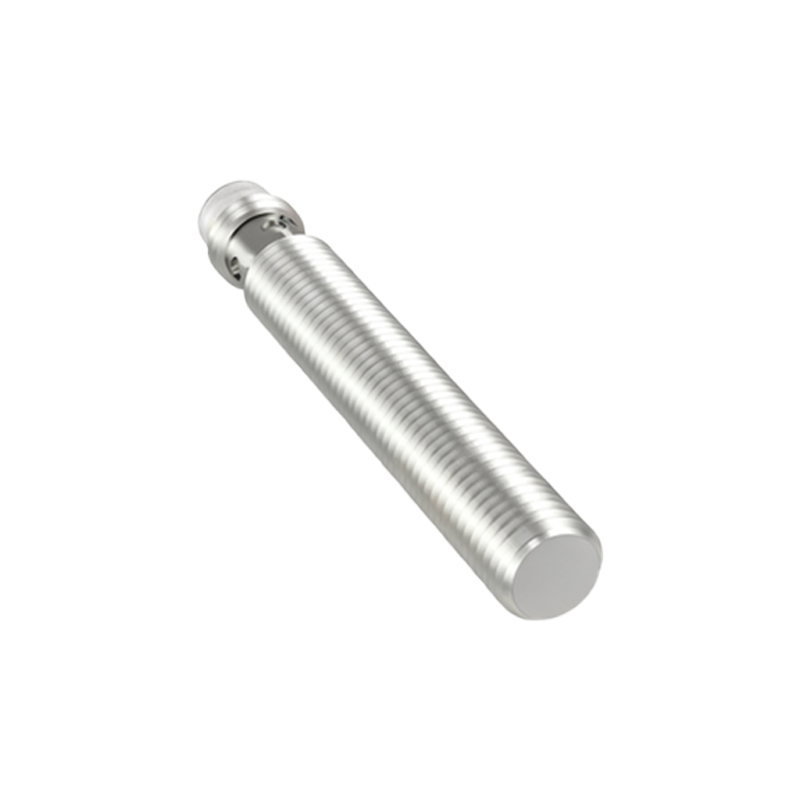
The most common types of proximity sensors are categorized by their sensing technology:
1. Inductive Proximity Sensors: These sensors generate an oscillating electromagnetic field. When a metallic target enters this field, it induces eddy currents within the target, causing a change in the oscillation amplitude. This change is detected by the sensor's circuitry, triggering an output signal. Inductive sensors are exclusively for detecting metals, with detection ranges influenced by the metal type (ferrous metals like iron and steel are detected at longer ranges than non-ferrous metals like aluminum or copper). They are renowned for their robustness, high switching frequency, and resistance to environmental contaminants.
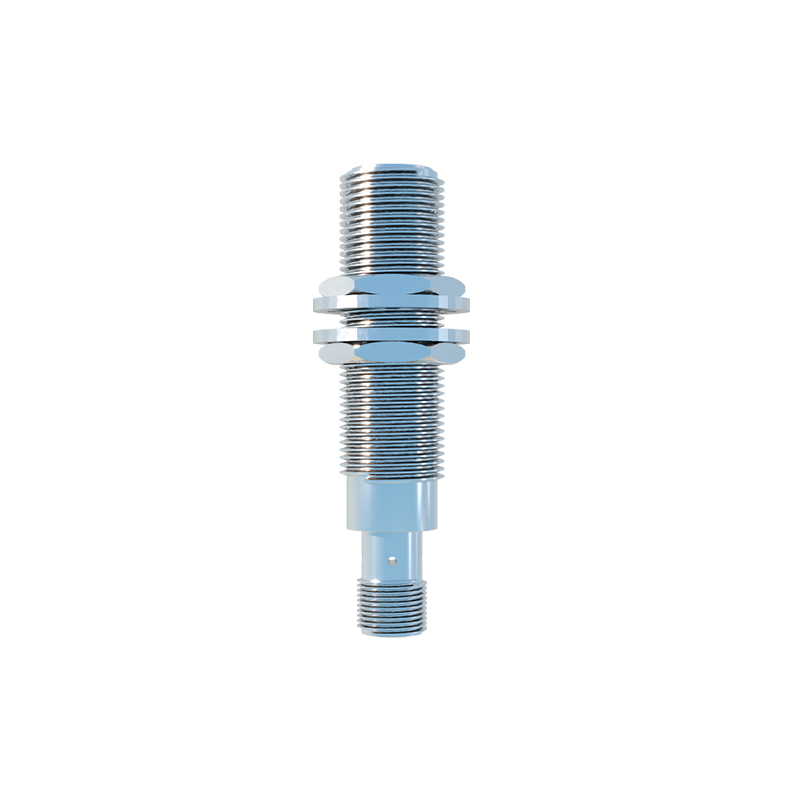
2. Capacitive Proximity Sensors: These sensors can detect both metallic and non-metallic targets, including liquids, powders, plastics, and wood. They function by generating an electrostatic field. Any object with a dielectric constant different from air entering this field alters the sensor's capacitance, which is then measured to trigger an output. Capacitive sensors are ideal for level detection of materials inside non-metallic containers, detecting filled vs. empty bottles on a conveyor, or sensing the presence of granular substances.
3. Ultrasonic Proximity Sensors: These sensors operate by emitting high-frequency sound waves (ultrasound) and evaluating the echo received back. They measure the time interval between sending the signal and receiving the echo to calculate the distance to the target. Ultrasonic sensors can detect virtually any material, solid or liquid, regardless of color or transparency, and are effective over longer ranges. They are commonly used for distance measurement, level control in silos, and object detection where other technologies may fail.
4. Photoelectric Sensors: While often considered a separate category, they function as proximity devices. They consist of a light emitter (usually LED) and a receiver. The presence of an object is detected by either the interruption of the light beam (through-beam), reflection from the target (retro-reflective), or reflection from the target back to a receiver housed in the same unit (diffuse reflective). Photoelectric sensors offer very long sensing ranges and can detect small objects, but their performance can be affected by environmental factors like dust, fog, or the target's color and surface finish.
Key Applications in Industry:
Proximity sensors are ubiquitous. They are used for:
Position Sensing: Detecting the position of a machine part, cylinder rod, or robotic arm.
End-of-Travel Detection: Confirming that a moving element has reached its limit.
Counting Objects: On assembly lines or packaging machinery.
Speed Monitoring: Measuring RPM by detecting gear teeth or markings.
Level Control: Monitoring fill levels in tanks or hoppers (capacitive or ultrasonic).
Safety Interlocks: Ensuring guards are in place before machine operation.
Selection Guide:
Choosing the right proximity sensor requires careful consideration of several factors:
Target Material: Metal only? Use inductive. Non-metallic or liquid? Consider capacitive or ultrasonic.
Sensing Distance: Required nominal range and any necessary safety margin.
Output Type: Digital (PNP/NPN) or analog (4-20mA, 0-10V) signal.
Environmental Conditions: Temperature, presence of chemicals, washdown requirements (IP rating).
Mounting and Size: Physical constraints of the installation space.
Switching Frequency: How fast the sensor needs to detect objects passing by.
In conclusion, proximity sensors are indispensable eyes of modern automation. A clear understanding of their operating principles and a methodical selection process based on application requirements are crucial for designing efficient, reliable, and safe control systems. As technology advances, sensors continue to become smarter, smaller, and more integrated with industrial networks, further solidifying their role in the connected factory of the future.