Proximity sensors are pivotal components in industrial automation, robotics, and safety systems, relying on magnetic fields for non-contact detection. At the heart of many inductive and magnetic proximity sensors lies the magnetic core, which concentrates and directs the magnetic flux to enhance sensitivity and range. To optimize performance, magnetic core shims are employed as precision spacers or adjusters. These thin, often annular pieces are inserted between core components or within sensor assemblies to fine-tune magnetic characteristics. This article delves into the common types of magnetic core shims used in proximity sensors, their materials, functions, and industry applications.
One prevalent type is the ferrite shim. Ferrite, a ceramic compound composed of iron oxide and other metals like nickel or zinc, is widely used due to its high magnetic permeability and low electrical conductivity. Ferrite shims help in shaping the magnetic field, reducing eddy current losses, and improving sensor response times. They are commonly found in sensors operating at high frequencies, such as those used in conveyor systems or packaging machinery, where rapid detection is crucial.
Another key category is laminated silicon steel shims. These are made from thin layers of silicon steel insulated from each other to minimize core losses. Silicon steel shims offer excellent magnetic saturation properties, making them ideal for sensors in high-power or high-current environments, like heavy-duty industrial motors or crane positioning systems. They enhance magnetic flux density while maintaining structural stability under thermal stress.
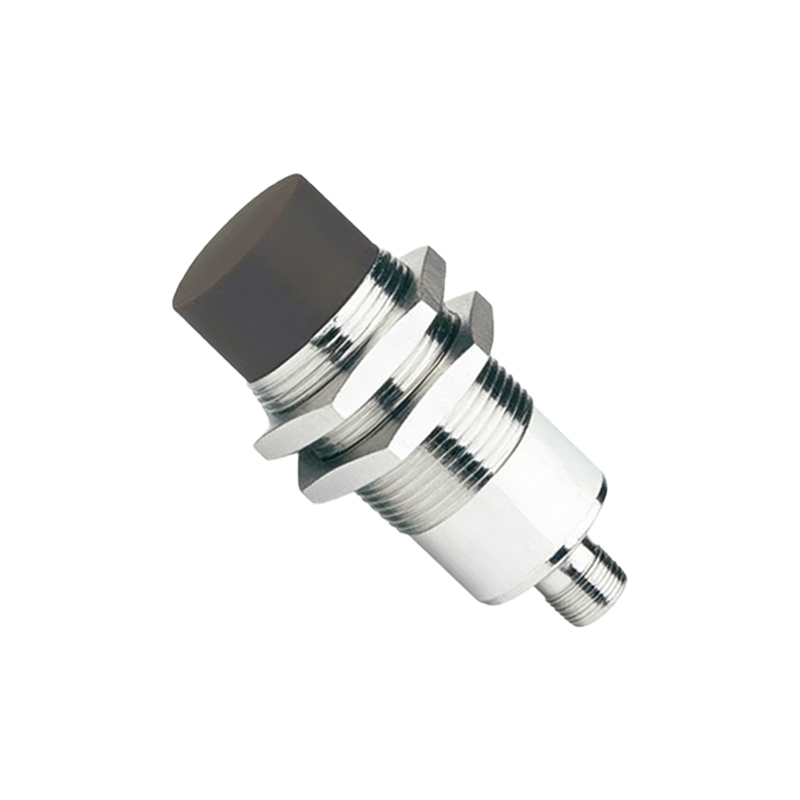
For applications requiring corrosion resistance and durability, stainless steel shims are often utilized. While stainless steel has lower magnetic permeability compared to ferrite or silicon steel, it serves as a non-magnetic or weakly magnetic spacer in sensors where precise gap control is needed without interfering with the magnetic field. Examples include food processing equipment or marine sensors, where exposure to moisture and chemicals is common.
In specialized scenarios, shims made from alloys like permalloy (nickel-iron) or mu-metal are employed. These materials exhibit extremely high magnetic permeability and are effective in shielding against external magnetic interference. Sensors in sensitive electronic devices, medical equipment, or aerospace systems often incorporate such shims to ensure accurate detection by isolating the core from stray fields.
Additionally, plastic or polymer-based shims are used in non-magnetic adjustments. These insulating shims prevent short circuits and provide mechanical support without affecting magnetic properties. They are typical in miniaturized sensors for consumer electronics or automotive applications, where space constraints and electrical isolation are priorities.
The selection of a magnetic core shim depends on factors like operating frequency, temperature range, environmental conditions, and desired sensor accuracy. Engineers must consider material properties such as permeability, saturation flux density, and thermal coefficient to match specific sensor designs. Proper shimming can significantly enhance detection range, reduce false triggers, and extend sensor lifespan.
In practice, shims are integrated during sensor assembly or maintenance. For instance, in adjustable proximity sensors, shims allow calibration for different target materials or distances. Regular inspection for wear or deformation is recommended, as degraded shims can lead to performance drift. Industry standards, such as IEC 60947-5-2, provide guidelines for sensor components, including shim tolerances and testing.
Overall, magnetic core shims are subtle yet critical elements in proximity sensor technology. By understanding their types and applications, engineers can optimize sensor systems for reliability and efficiency across diverse industrial landscapes.