In the realm of industrial automation and electrical engineering, proximity sensors are indispensable components for non-contact detection of objects. At the heart of their functionality lies a critical element: the sensing wire. This article delves into the nature, role, and considerations surrounding proximity sensor sensing wires, providing a clear understanding for professionals in the field.
A proximity sensor sensing wire, often simply referred to as the sensor lead or cable, is the electrical conductor that connects the sensor's sensing element to the control system or power supply. It serves as the vital pathway for transmitting the electrical signal generated when the sensor detects a target within its specified range. Unlike standard wiring, these leads are integral to the sensor assembly and are designed to maintain signal integrity in often challenging industrial environments.
The primary function of the sensing wire is to carry the output signal from the sensor. Depending on the sensor type—inductive, capacitive, ultrasonic, or photoelectric—this signal varies. For instance, in a standard 3-wire DC inductive proximity sensor, the wiring typically includes a brown wire for positive supply voltage, a blue wire for common negative or ground, and a black wire as the switched output signal. The sensing wire in this context is specifically the output wire (black) that changes state (ON/OFF) based on target detection. However, the term can encompass the entire cable assembly responsible for both powering the sensor and transmitting its signal.
Key characteristics of a high-quality proximity sensor sensing wire include robust insulation, shielding, and conductor material. Insulation, often made from materials like PVC, PUR, or TPE, protects against abrasion, oils, chemicals, and temperature extremes. Shielding, usually a braided or spiral-wound metal layer, is crucial for mitigating electromagnetic interference (EMI) and radio frequency interference (RFI), which can cause false triggering or signal degradation. The conductors are typically stranded copper for flexibility and durability, with the wire gauge sized appropriately for the current rating of the sensor.
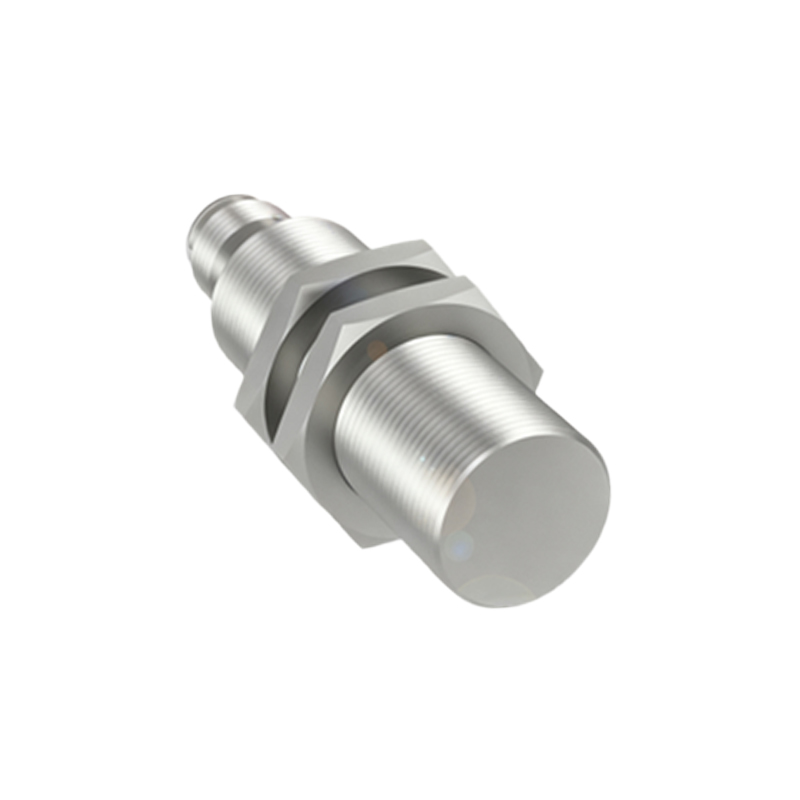
Selecting the correct sensing wire is paramount for system reliability. Engineers must consider factors such as:
Sensor Type and Output: Matching the wire configuration (2-wire, 3-wire, 4-wire, or analog) to the sensor.
Environmental Conditions: Choosing insulation and jacket materials resistant to the specific hazards present (e.g., high temperature, chemical exposure, continuous flexing).
Electrical Requirements: Ensuring proper voltage rating, current capacity, and shielding for the application's noise environment.
Connection and Installation: Using the correct connector type (e.g., M8, M12, M23 connectors) and ensuring proper cable gland sealing for IP-rated protection against dust and moisture.
Installation best practices are equally critical. Wires should be routed away from high-voltage power lines and motor drives to minimize inductive coupling and noise. Strain relief should be used at both the sensor and connection endpoints to prevent mechanical stress on the terminations. For long cable runs, voltage drop calculations may be necessary, especially for 2-wire sensors, to ensure the sensor receives adequate operating voltage.
In summary, the proximity sensor sensing wire is far more than a simple piece of cable. It is an engineered component essential for accurate signal transmission. Its design, material selection, and installation directly impact the performance, longevity, and reliability of the entire sensing system. A failure in the sensing wire—be it from physical damage, insulation breakdown, or EMI—can lead to costly downtime and production errors. Therefore, a thorough understanding of its specifications and application requirements is a fundamental aspect of effective electrical and control system design. Always consult the sensor manufacturer's datasheet for specific wiring instructions and recommended cable types to ensure optimal operation.