In the realm of industrial automation and process control, accurate and reliable level measurement is paramount. Among the diverse technologies available, capacitive proximity level sensors stand out for their versatility, robustness, and non-contact operation. This article delves into the operational principles, key application areas, advantages, limitations, and critical selection criteria for these widely used sensors.
Fundamental Operating Principle
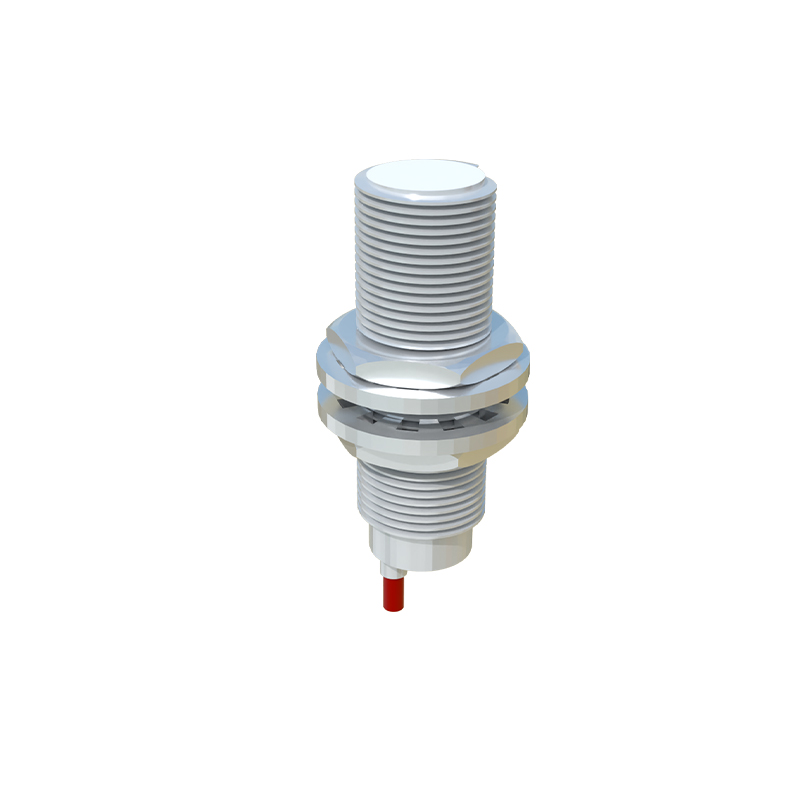
At its core, a capacitive proximity level sensor functions by detecting changes in capacitance. The sensor typically consists of an active electrode (the sensing probe) and a reference electrode (often the sensor housing or the container wall itself). These form the plates of a capacitor. The material whose level is to be measured—whether liquid, granular, or powdered—acts as the dielectric medium. When the target material approaches the sensing area, it alters the dielectric constant between the electrodes, leading to a measurable change in capacitance. An internal oscillator circuit monitors this capacitance. Once the change exceeds a predefined threshold (the sensitivity setting), the sensor's output state switches, indicating the presence or absence of the material at the detection point.
Key Advantages and Characteristics
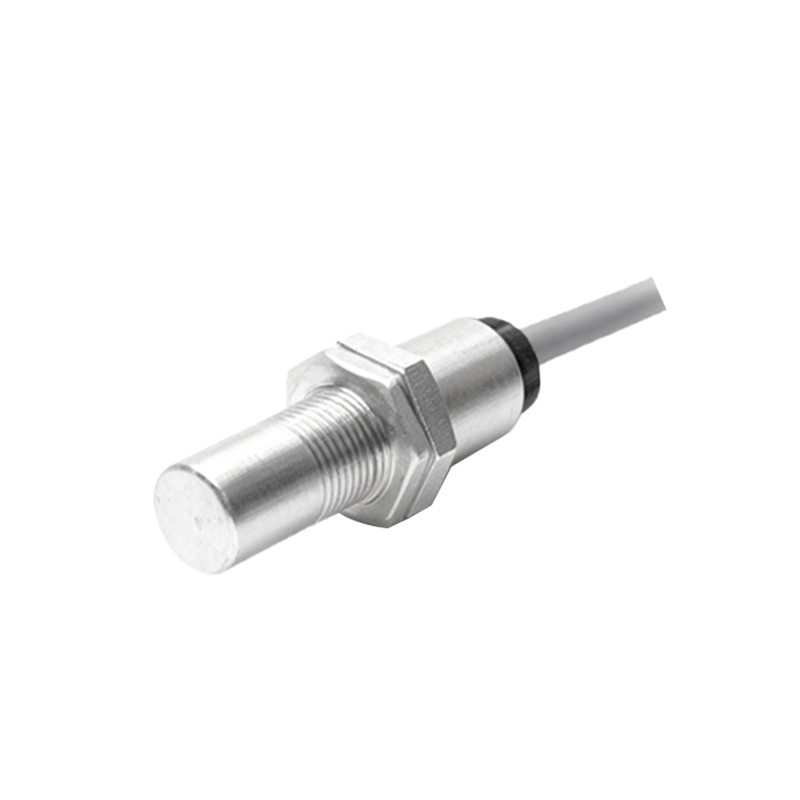
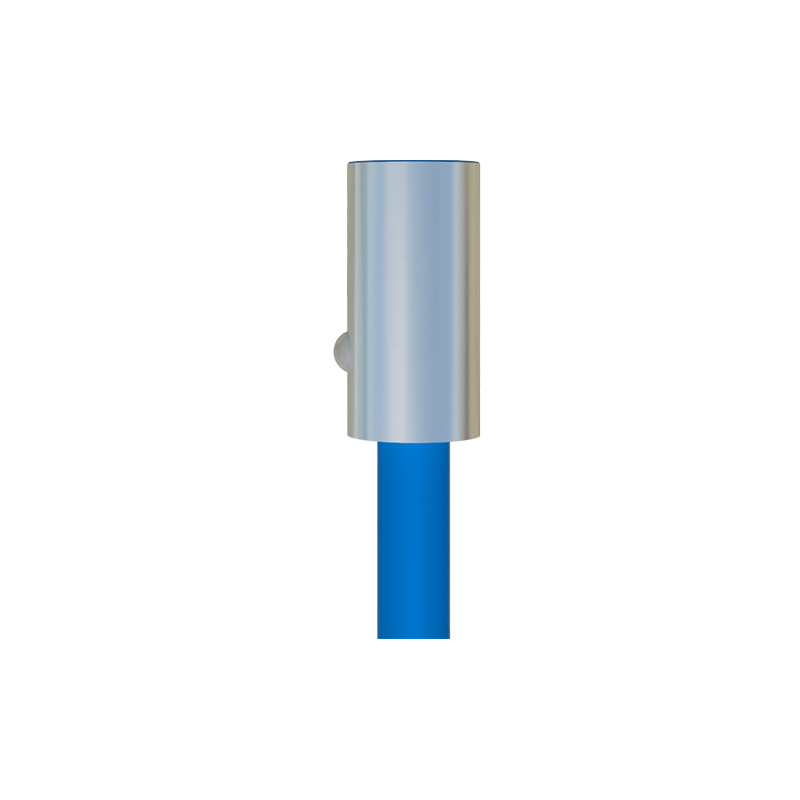
Capacitive sensors offer several compelling benefits. They are capable of detecting a vast range of materials, including conductive liquids like water, non-conductive liquids like oils or solvents, and various bulk solids such as plastics, grains, sand, and powders. This material-agnostic nature is a significant advantage. Their non-contact design means there is no mechanical wear from the sensed material, leading to long service life and minimal maintenance. They are generally insensitive to factors like pressure, vacuum, or humidity within the vessel. Furthermore, modern capacitive sensors feature adjustable sensitivity, allowing them to be tuned to ignore build-up on vessel walls or to detect materials through non-metallic container walls, enabling truly external, non-invasive mounting.
Common Industrial Applications
The application spectrum for capacitive level sensors is exceptionally broad. They are extensively used for high-level or low-level detection in silos, bins, and hoppers containing plastics, cereals, cement, or wood chips. In the chemical and pharmaceutical industries, they monitor liquid levels in tanks, including aggressive media when equipped with chemically resistant probes (e.g., PTFE-coated). They serve as reliable point-level switches for powders in food processing or as overfill protection devices. Another common use is in detecting the presence of bottles or containers on conveyor lines, where the contents themselves can be used as the dielectric trigger.
Limitations and Considerations
Despite their versatility, capacitive sensors are not a universal solution. Their performance can be influenced by material properties; highly adhesive materials that coat the probe can cause false triggering unless the sensitivity is carefully calibrated. Variations in material density, moisture content, or temperature can affect the dielectric constant and thus require readjustment. They are generally not suitable for measuring levels in large metallic tanks without proper grounding and shielding, as the container can shunt the electric field. For continuous level measurement over a wide range, other technologies like radar or guided wave radar might be more appropriate.
Selection and Installation Guidelines
Selecting the right capacitive sensor requires careful analysis. First, define the application: Is it point-level detection or continuous monitoring? Identify the process material and its dielectric constant. For conductive materials, a standard probe suffices; for non-conductives, a higher-sensitivity model is needed. Consider the process conditions: temperature, pressure, and potential for coating or build-up. The probe construction material (stainless steel, PTFE, PEEK) must be compatible with the medium. Installation is critical: the sensor must be mounted at the correct point, often using a mounting nut or flange. For internal mounting in metal vessels, insulating sleeves may be necessary. Proper grounding of both the sensor and the vessel is essential to ensure stable operation and prevent electrical noise interference. Always follow the manufacturer's instructions for sensitivity calibration in situ, adjusting the potentiometer or using teach-in functions until the LED indicates reliable switching at the desired level.
In conclusion, capacitive proximity level sensors are indispensable tools for point-level detection across countless industries. Their ability to interface with diverse materials under challenging conditions, coupled with a solid-state, maintenance-free design, ensures their continued prevalence. A thorough understanding of their operating principle, coupled with a methodical approach to selection and installation, enables engineers to implement robust and reliable level sensing solutions that enhance process safety, efficiency, and automation.