In the rapidly evolving automotive industry, proximity sensors have transitioned from a novel convenience feature to a fundamental component of vehicle safety and automation systems. These sensors, which detect the presence or absence of nearby objects without physical contact, are now integral to a wide array of vehicle models, from compact city cars to heavy-duty commercial trucks. Their primary function is to provide critical data to the vehicle's electronic control units (ECUs), enabling a host of functionalities that enhance driver awareness, prevent collisions, and pave the way for autonomous driving.
The core technology behind automotive proximity sensors typically involves ultrasonic, electromagnetic, or capacitive sensing principles. Ultrasonic sensors, commonly used in parking assistance systems, emit high-frequency sound waves and measure the time it takes for the echo to return. This technology is highly effective for short-range detection at low speeds, making it ideal for tight parking maneuvers. Electromagnetic sensors, including inductive and Hall-effect sensors, are often employed to detect metallic objects. They are crucial in systems like Tire Pressure Monitoring Systems (TPMS) and for sensing gear position in transmissions. Capacitive sensors, which detect changes in capacitance caused by nearby objects, are finding increasing use in touch-sensitive controls and occupant detection systems.
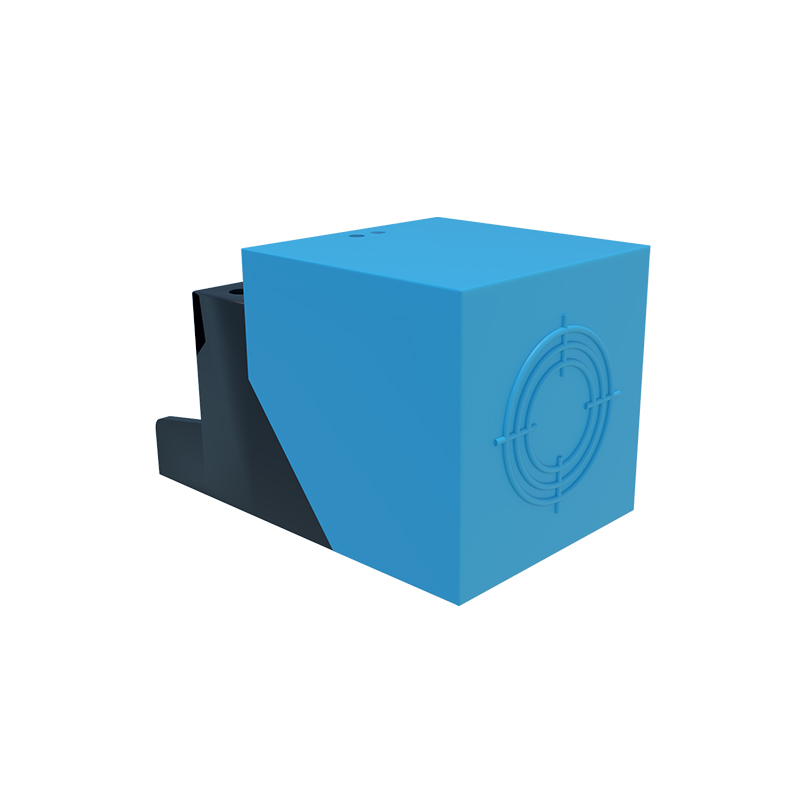
The implementation of these sensors varies significantly across different vehicle models and trim levels. In entry-level and mid-range models, proximity sensors are most commonly featured in Rear Parking Assist systems. These systems use ultrasonic sensors embedded in the rear bumper to alert the driver with audible beeps that increase in frequency as an obstacle gets closer. Many models now integrate this with a visual display on the infotainment screen, providing a clearer spatial representation.
In premium and luxury vehicle segments, the sensor suite becomes far more comprehensive. A 360-degree or bird's-eye view camera system relies on a network of proximity sensors, often combining ultrasonic and camera data, to create a composite overhead image of the vehicle's immediate surroundings. This is invaluable for navigating complex urban environments. Furthermore, Advanced Driver-Assistance Systems (ADAS) like Blind Spot Detection (BSD) and Cross-Traffic Alert (CTA) use radar or lidar-based proximity sensors. These sensors operate at longer ranges and higher speeds, monitoring adjacent lanes and the rear quarters of the vehicle to warn the driver of vehicles in blind spots or approaching from the sides when reversing.
The role of proximity sensors is absolutely critical in Automatic Emergency Braking (AEB) and Forward Collision Warning (FCW) systems. Here, long-range radar sensors, sometimes fused with camera data, continuously scan the road ahead. They calculate the relative speed and distance to vehicles or pedestrians. If an imminent collision is detected and the driver does not respond, the system can automatically apply the brakes to mitigate or avoid the impact. This functionality is becoming a standard safety requirement across all vehicle classes in many markets.
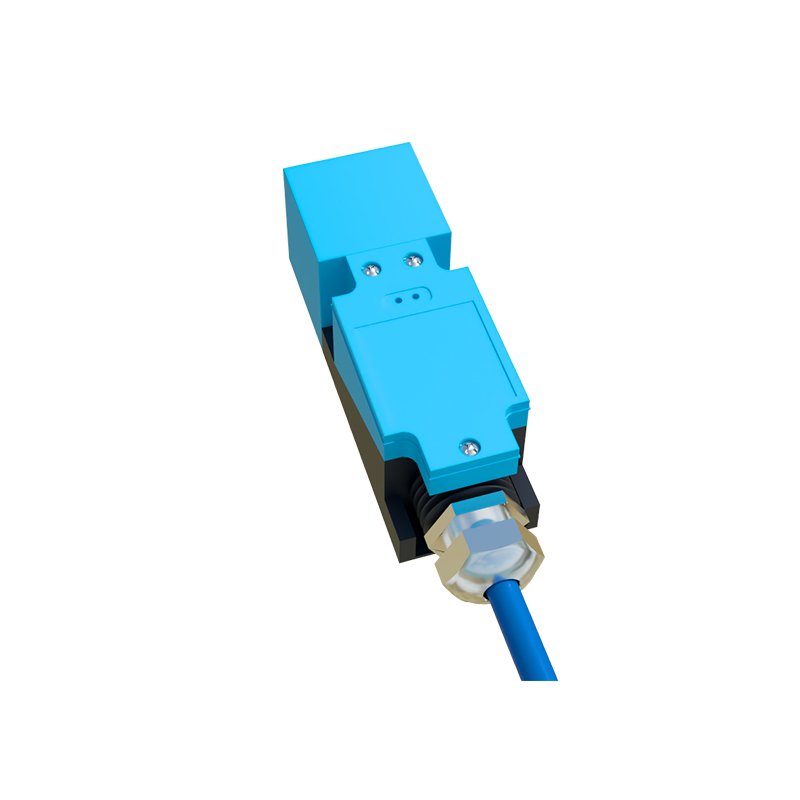
Looking toward the future of autonomous vehicles, proximity sensors form the essential "perception layer" of the sensor fusion ecosystem. A self-driving car relies on a redundant and diverse array of sensors—including ultrasonic, radar, lidar, and cameras—to build a precise, real-time 3D map of its environment. Ultrasonic sensors handle ultra-close-range details like curb detection, while radar provides robust data on object velocity in all weather conditions. Lidar offers high-resolution spatial mapping, and cameras add crucial contextual and semantic understanding (like reading traffic signs). The integration and data fusion from these various proximity-sensing technologies are what allow the vehicle's AI to make safe navigation decisions.
For engineers and technicians, the calibration and maintenance of these systems are paramount. A misaligned radar sensor or a dirty ultrasonic sensor can lead to system malfunctions, false warnings, or, worse, a failure to detect a hazard. Diagnostic procedures now heavily involve scanning tools that can interface with the specific sensor control modules, read live data, and perform dynamic calibration routines, often requiring specific targets and controlled environments.
In conclusion, proximity sensors are no longer optional extras but are central to the modern vehicle's nervous system. Their evolution from simple parking aids to enablers of life-saving ADAS and full autonomy reflects the automotive industry's trajectory. As vehicle models continue to advance, we can expect these sensors to become more sophisticated, miniaturized, and integrated, working seamlessly together to create a safer and ultimately self-driving transportation future.