In the seamless interaction between humans and technology, a silent, unseen facilitator often goes unnoticed: the proximity sensing sensor. This sophisticated component has become a cornerstone of modern electronics, enabling devices to perceive the presence or absence of nearby objects without any physical contact. From the smartphone that dims its screen when held to your ear to the automatic faucet that activates at the wave of a hand, proximity sensors are the invisible conductors orchestrating intuitive and efficient user experiences.
At its core, a proximity sensor detects the presence of a target object within a specified range. It achieves this by emitting an electromagnetic field or a beam of radiation, such as infrared light, and then looking for changes in the field or the return signal. The primary working principle hinges on the disruption or reflection of this emitted energy. Common technologies include inductive sensors for metallic objects, capacitive sensors for both metallic and non-metallic materials, photoelectric sensors using light beams, and ultrasonic sensors that rely on sound waves. Each type is tailored for specific applications, environments, and target materials, offering a spectrum of detection ranges and precision levels.
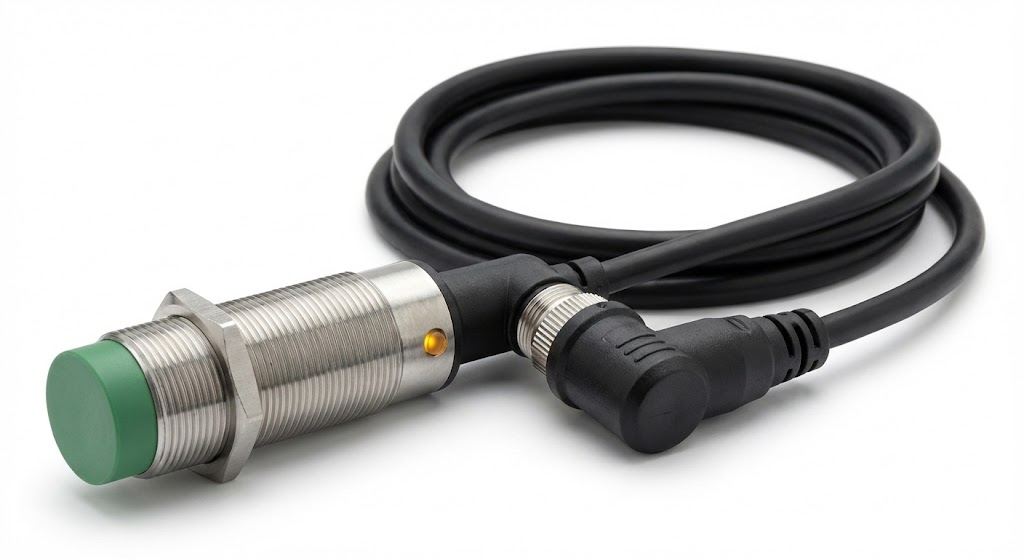
The applications of proximity sensing are vast and deeply integrated into daily life and industry. In consumer electronics, they are ubiquitous. Smartphones use them to disable touchscreen functionality during calls, preventing accidental cheek-presses. Laptops employ them to detect when a user is present, enabling features like wake-on-approach or power-saving sleep modes when the user leaves. In the automotive sector, these sensors are critical for parking assistance systems, detecting obstacles in a vehicle's blind spots, and enabling keyless entry and start systems.
Industrial automation represents another major frontier. Here, proximity sensors provide reliable, non-contact detection for counting objects on conveyor belts, monitoring machine part positions, ensuring safety by detecting human presence near hazardous machinery, and controlling robotic arms with precision. Their robustness, speed, and immunity to environmental factors like dirt or oil make them indispensable for maintaining efficient and safe production lines.
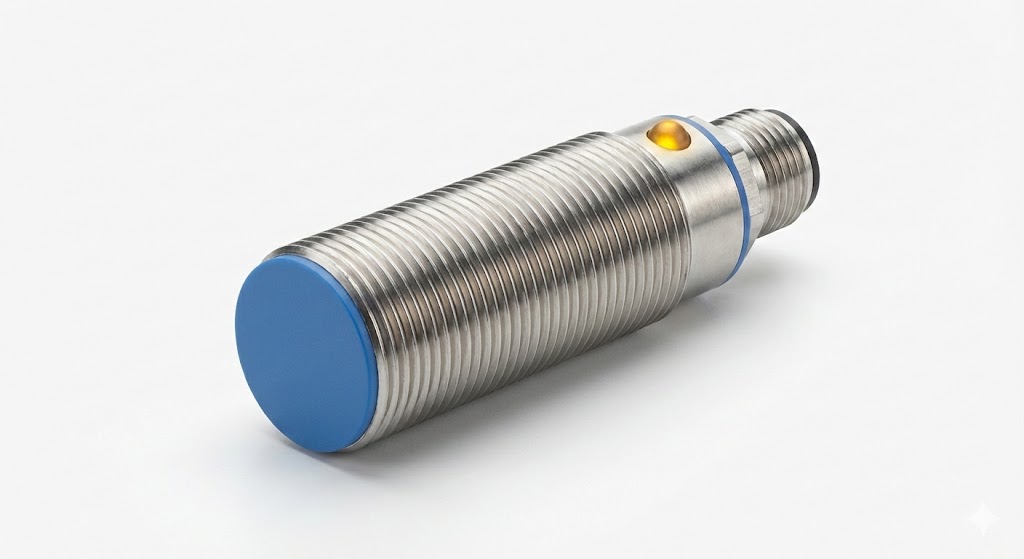
The advantages of proximity sensors are compelling. Their non-contact nature means no physical wear and tear on the sensor or the target, leading to exceptional longevity and reliability. They can detect objects irrespective of color, surface texture, or material (depending on the type), and they operate at high speeds suitable for fast-moving production environments. Furthermore, their solid-state design allows them to function effectively in challenging conditions where mechanical switches would fail.
Looking ahead, the evolution of proximity sensing is intertwined with broader technological trends. The rise of the Internet of Things (IoT) and smart environments demands more ambient, context-aware sensing. Future sensors will likely become smaller, more energy-efficient, and smarter, with integrated processing capabilities to distinguish between different types of proximity events. Integration with other sensing modalities, like ambient light or gesture recognition, will create more nuanced and predictive human-machine interfaces. In automotive applications, they will play a supporting role in the sensor fusion systems of autonomous vehicles, providing crucial short-range data.
From a simple automatic door to a complex industrial robot, proximity sensing sensors provide a fundamental layer of environmental awareness. They exemplify how a focused, elegant technological solution can yield profound improvements in convenience, safety, and efficiency. As devices continue to seek more natural and intuitive ways to interact with the physical world, the humble proximity sensor will remain an essential, if invisible, enabling technology, quietly shaping the responsive environments of today and tomorrow.