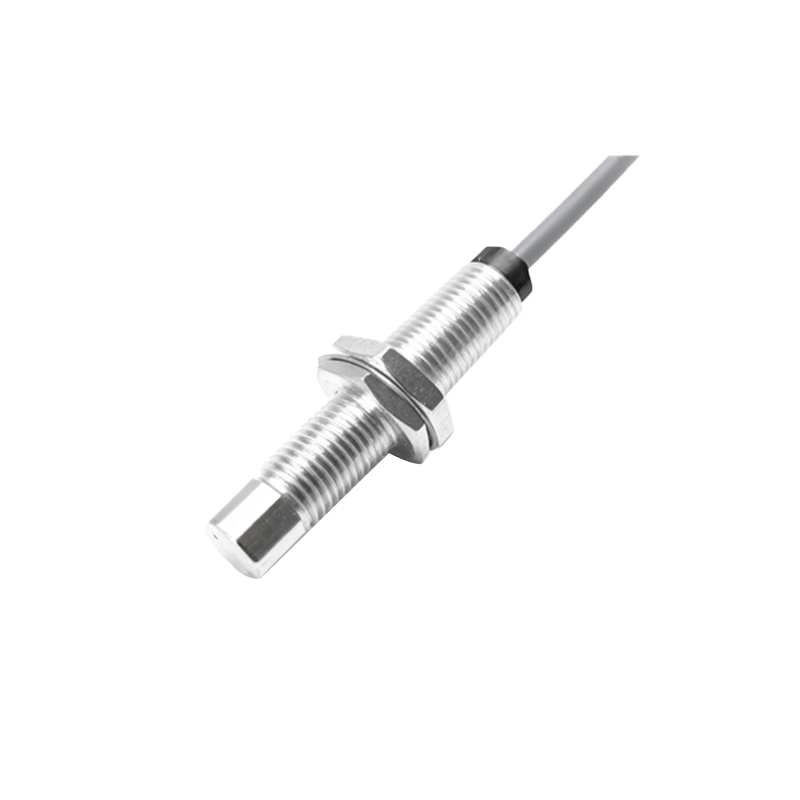
In the realm of industrial automation and control systems, proximity sensors stand as fundamental components, enabling machines to "sense" the presence or absence of an object without physical contact. These devices are pivotal for enhancing operational efficiency, ensuring safety, and enabling sophisticated process control. Their ability to detect objects reliably in harsh environments makes them indispensable across manufacturing, packaging, automotive, and material handling industries.
Proximity sensors operate on various physical principles, each suited to specific applications and target materials. The most prevalent types include inductive, capacitive, ultrasonic, and photoelectric sensors. Inductive proximity sensors are the workhorses for detecting metallic objects. They generate an electromagnetic field; when a metal target enters this field, it induces eddy currents, causing a change in the sensor's oscillation amplitude, which triggers a switching signal. These sensors are renowned for their robustness, high switching frequency, and immunity to environmental factors like dust, oil, or moisture. They are ideal for counting metal parts, determining position limits, or detecting the presence of tools.
Capacitive proximity sensors, on the other hand, can detect both metallic and non-metallic materials such as plastics, glass, wood, and liquids. They function by generating an electrostatic field. The presence of any material with a dielectric constant different from air alters the capacitance of the circuit, prompting the sensor to switch. This makes them perfect for level detection in tanks (e.g., liquids, granules), detecting filled packages, or sensing materials through non-metallic container walls.
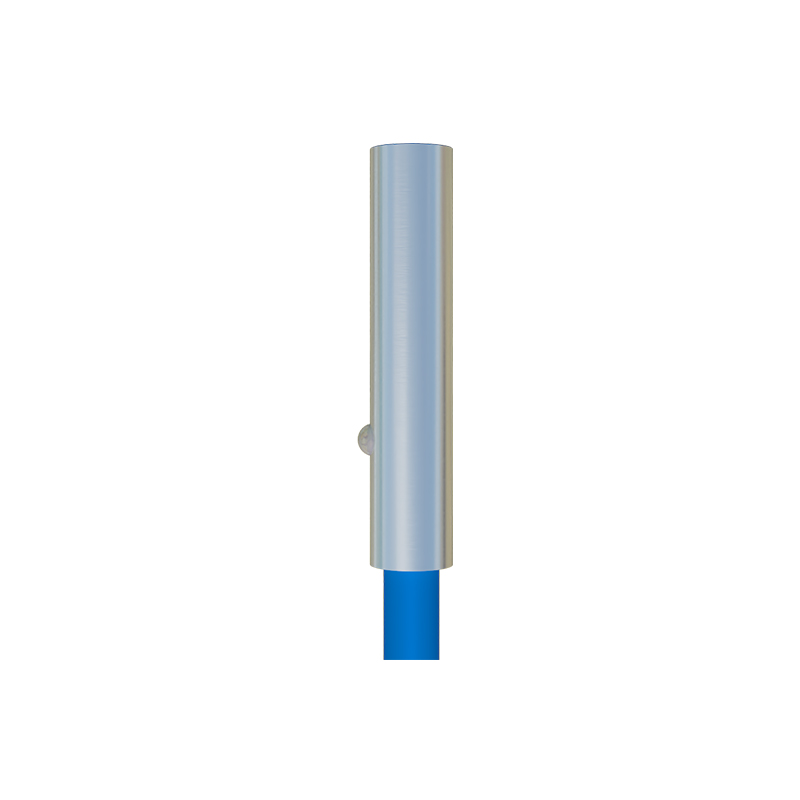
Photoelectric sensors utilize light beams, typically infrared or laser, to detect objects. They consist of an emitter and a receiver. The detection occurs when the target object interrupts (through-beam mode) or reflects (retro-reflective or diffuse mode) the light beam. Offering long sensing ranges and the ability to detect virtually any material, they are extensively used in packaging, bottling lines, and for detecting transparent objects or precise positioning.
Ultrasonic sensors measure distance or detect presence by emitting high-frequency sound waves and evaluating the reflected echo. They are excellent for detecting objects regardless of color, transparency, or material, and are particularly effective in challenging environments with dust, smoke, or vapors. Common applications include distance measurement, level control of bulk solids or liquids, and loop control.
Selecting the appropriate proximity sensor requires a careful analysis of several key parameters. The nature of the target material is paramount: Is it metallic or non-metallic? Ferrous or non-ferrous? The required sensing distance, or nominal range, must be considered, ensuring it accommodates installation tolerances. Environmental conditions such as temperature extremes, exposure to chemicals, washdown requirements, or electrical noise heavily influence the choice of housing material (e.g., stainless steel, PBT plastic) and protection rating (IP67, IP69K). The output type (PNP/NPN, analog, IO-Link) must be compatible with the controller (PLC). Other factors include response time, switching frequency, and mounting configuration (flush or non-flush for inductive sensors).
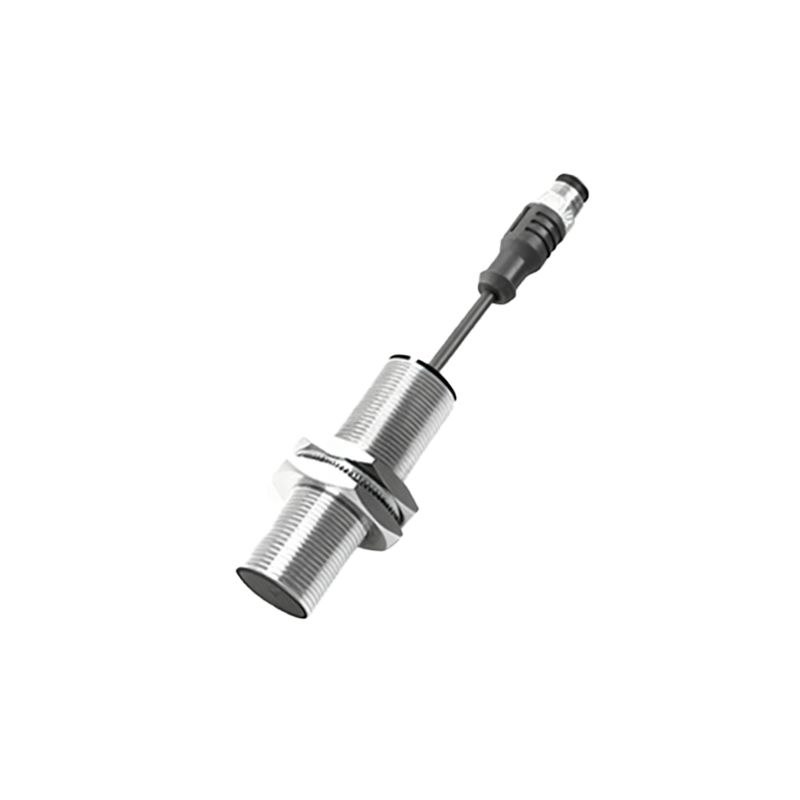
The integration of smart sensor technologies, such as those with IO-Link communication, is revolutionizing the field. IO-Link enables bidirectional data exchange beyond simple on/off signals, allowing for parameter setting, condition monitoring, and diagnostic data access directly from the control system. This facilitates predictive maintenance, reduces downtime, and simplifies device replacement.
In conclusion, proximity sensors are critical enablers of modern industrial automation. A deep understanding of their operating principles, types, and key selection criteria is essential for engineers and system integrators to design reliable, efficient, and safe automated systems. The correct sensor choice, tailored to the specific application demands, directly impacts system performance, productivity, and overall operational cost.