In the realm of industrial automation and control systems, proximity sensors stand as indispensable components, enabling non-contact detection of objects with precision and reliability. Their ability to function in harsh environments, provide fast response times, and offer long operational life makes them a cornerstone of modern manufacturing, robotics, and machinery. Understanding their fundamental classification is crucial for engineers and technicians to select the optimal sensor for a given application. Broadly, proximity sensors can be categorized based on their underlying detection principle. The primary types include Inductive, Capacitive, Ultrasonic, Photoelectric, and Magnetic (Reed Switch or Hall Effect) sensors.
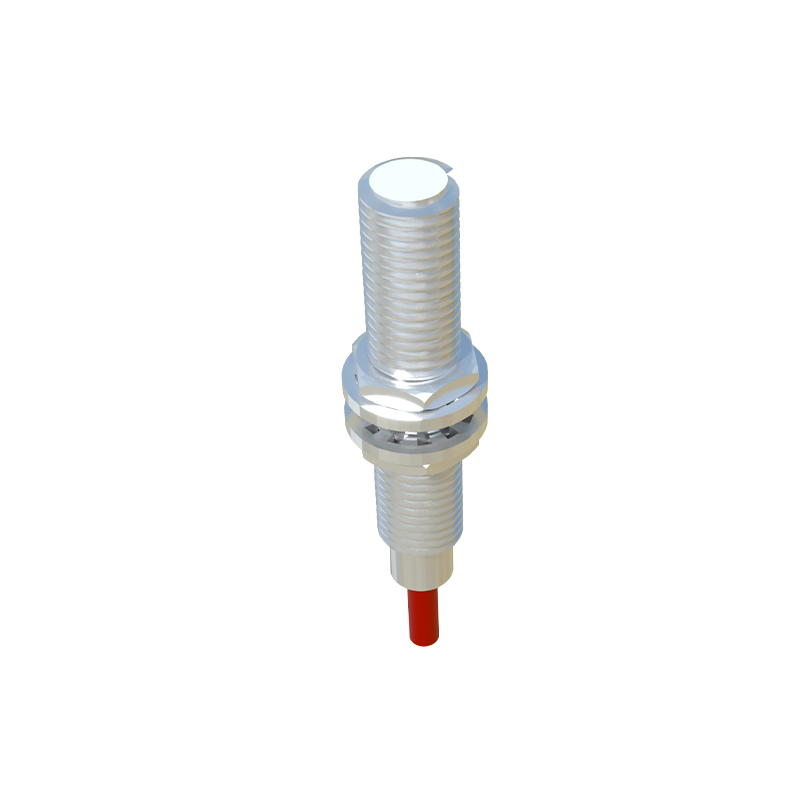
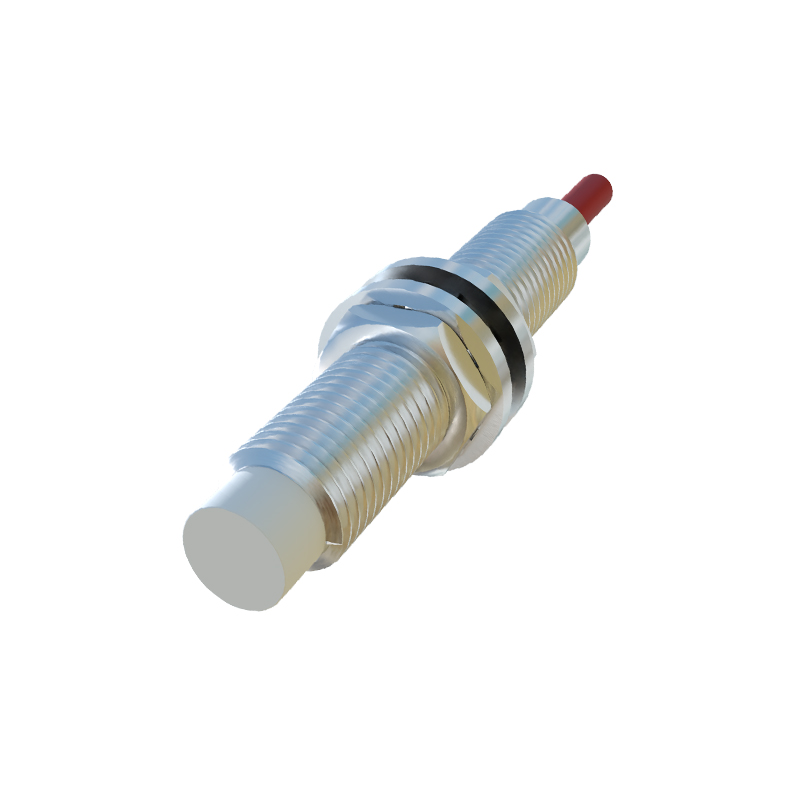
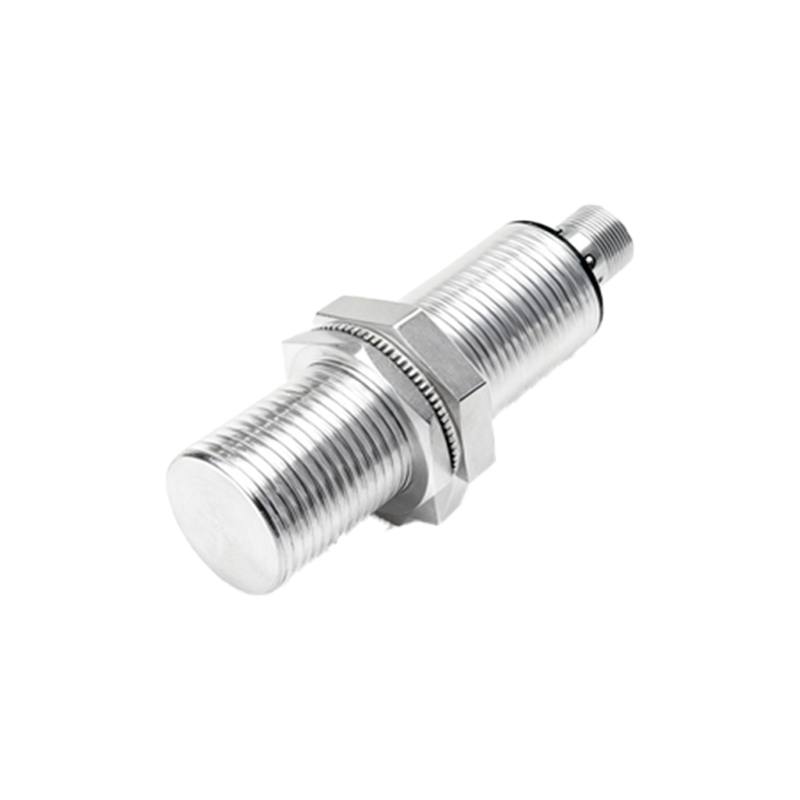
Inductive proximity sensors are arguably the most common type in industrial settings. They operate on the principle of electromagnetic induction. The sensor generates an oscillating electromagnetic field from its active face. When a metallic object (ferrous or non-ferrous) enters this field, eddy currents are induced within the object, causing a change in the oscillation amplitude. This change is detected by the sensor's circuitry, triggering a solid-state output switch. Inductive sensors are exclusively for detecting metals. Their sensing range is influenced by the target metal's properties, with shorter ranges for non-ferrous metals like aluminum or copper compared to steel. They are renowned for their robustness, high switching frequency, and immunity to environmental factors like dust, oil, and moisture, making them ideal for metal detection in machine tools, conveyor systems, and automotive assembly lines.
Capacitive proximity sensors, in contrast, can detect a much wider variety of materials, including metals, plastics, glass, wood, liquids, and granular substances. They function by generating an electrostatic field. The sensor and the target act as two plates of a capacitor. As a target object approaches, it alters the dielectric constant of the space between, changing the capacitance of the system. Once this change reaches a predetermined threshold, the sensor activates its output. These sensors are particularly useful for level detection of liquids or powders in tanks, material handling of non-metallic objects, and presence detection through thin non-metallic walls. However, they can be susceptible to environmental factors like humidity and temperature variations, which may affect the dielectric constant of air.
Ultrasonic sensors utilize sound waves beyond the human hearing range (typically >20 kHz). They emit short, high-frequency sound pulses and measure the time it takes for the echo to return from a target object. This time-of-flight principle allows them to precisely measure distance, not just detect presence. They are effective for detecting objects of virtually any material, color, or transparency, as long as the surface is capable of reflecting sound. Common applications include liquid level control, object profiling, loop control, and pallet detection in logistics. Their performance can be affected by factors like temperature (which changes the speed of sound), air turbulence, and very soft or angled surfaces that absorb sound.
Photoelectric sensors employ light, typically from an LED source (infrared, red, or laser), to detect objects. They offer the longest sensing ranges among non-contact sensors and come in several operational modes: Through-beam, Retro-reflective, and Diffuse (proximity) mode. Through-beam sensors consist of separate emitter and receiver units; an object is detected when it interrupts the light beam. This mode offers the highest reliability and longest range. Retro-reflective sensors use a single unit and a reflector; detection occurs when the beam is blocked. Diffuse sensors rely on light reflected directly from the target object itself. Photoelectric sensors can detect small objects and are versatile across many materials, but their performance can be compromised by environmental contaminants like dust, fog, or color/reflectivity of the target.
Magnetic proximity sensors are designed specifically to detect permanent magnets. The two main subtypes are Reed switches and Hall Effect sensors. Reed switches contain two ferromagnetic reeds sealed in a glass tube; when a magnet approaches, the reeds attract and close the contact. They are simple, low-cost, but generally slower and less robust mechanically. Hall Effect sensors are solid-state devices that output a voltage proportional to the strength of an applied magnetic field. They are used for high-speed counting, position sensing (e.g., in cylinder pistons), and speed detection in conjunction with rotating magnets. Their operation is unaffected by non-magnetic materials, making them suitable for sensing through non-ferrous walls.
Selecting the right proximity sensor requires a careful analysis of the application parameters: target material, required sensing distance, environmental conditions (IP rating, temperature, presence of contaminants), output type (PNP/NPN, analog, IO-Link), response speed, and installation constraints. A thorough understanding of these fundamental categories—Inductive for metals, Capacitive for diverse materials including liquids, Ultrasonic for distance and challenging surfaces, Photoelectric for long-range and small parts, and Magnetic for magnet detection—provides the essential foundation for making an informed, effective selection that