In the rapidly evolving landscape of industrial automation and smart systems, proximity sensors have become indispensable components. Their ability to detect the presence or absence of objects without physical contact is fundamental to countless applications, from automotive assembly lines and robotic arms to consumer electronics and safety systems. For large-scale manufacturing of these sensors, the selection and sourcing of raw materials are critical factors that directly influence performance, reliability, cost, and scalability. This article delves into the core raw materials that constitute modern, mass-produced proximity sensors.
At the heart of most proximity sensors lies the sensing element. The primary raw materials here depend heavily on the underlying technology. For inductive proximity sensors, which detect metallic objects, the key material is a ferrite core. This core is typically made from sintered iron oxide compounds mixed with other metal oxides like nickel, zinc, or manganese. The ferrite core is wound with copper wire, making high-purity, electrolytic-tough-pitch (ETP) copper a fundamental raw material. The coil is then often potted or encapsulated using epoxy resins or silicones for environmental protection.
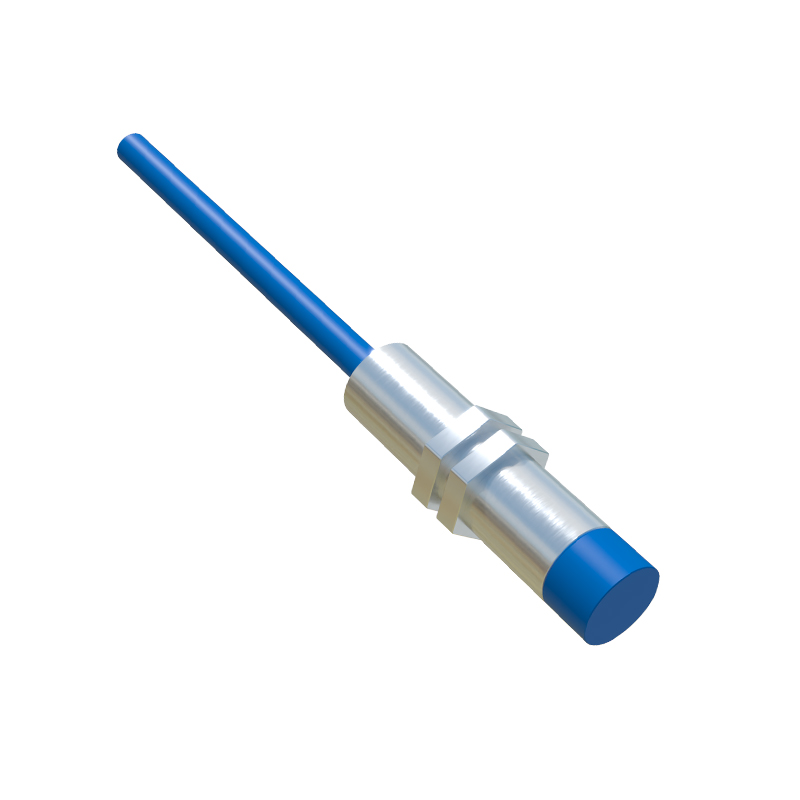
Capacitive proximity sensors, capable of detecting both metallic and non-metallic materials, utilize a different set of materials. The sensing face is essentially a capacitor plate. Here, conductive materials like copper, silver, or conductive inks (often based on silver or carbon) are applied to a substrate. The substrate itself can be made from various engineered plastics, ceramics, or even fiberglass-reinforced epoxy laminates (like FR4), chosen for their stable dielectric properties and mechanical strength.
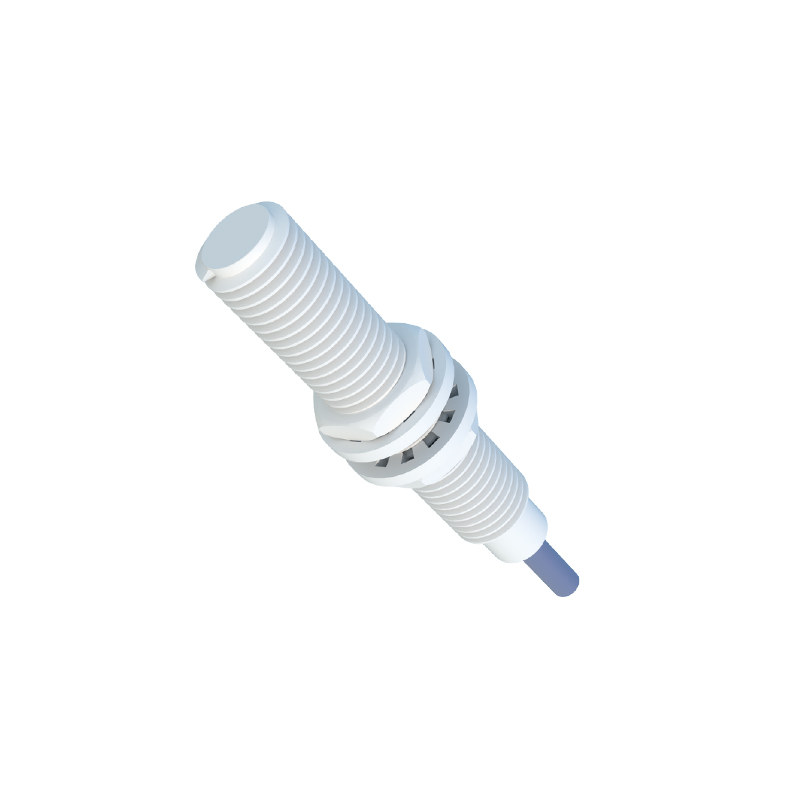
For photoelectric sensors, another major category, the raw material list shifts to optoelectronics. The core components are the light emitter and the photodetector. The emitter is almost invariably a Light Emitting Diode (LED). Common LED materials include gallium arsenide (GaAs) for infrared types, and aluminum gallium indium phosphide (AlGaInP) for visible red light. For more advanced and long-range sensors, laser diodes might be used, which involve complex semiconductor materials like gallium nitride (GaN). The receiver is typically a phototransistor or photodiode, fabricated from silicon or, for specific wavelengths, materials like indium gallium arsenide (InGaAs). The housing for the optical path requires precisely molded plastics, such as polycarbonate or PMMA (acrylic), which offer excellent optical clarity and durability.
Beyond the core sensing technology, the housing and structural components demand significant material consideration. For industrial-grade sensors designed to withstand harsh environments, engineering thermoplastics are paramount. Materials like polyamide (PA, commonly known as Nylon), polybutylene terephthalate (PBT), and polyphenylene sulfide (PPS) are extensively used due to their excellent mechanical strength, chemical resistance, and thermal stability. These plastics are often reinforced with glass fibers to enhance rigidity and dimensional stability. Metal housings, typically from die-cast zinc alloys or stainless steel (e.g., 303 or 316 grades), are employed in applications requiring extreme durability or specific hygiene standards, such as in food processing.
The internal electronics, the printed circuit board (PCB), is another material-intensive component. The base is usually an FR4 glass-epoxy laminate. The conductive traces are made from thin layers of copper, while the solder used for component assembly is a tin-lead or lead-free alloy (like SAC305: Tin-Silver-Copper). Surface finishes might include HASL (Hot Air Solder Leveling), immersion tin, or ENIG (Electroless Nickel Immersion Gold) to protect the copper and ensure solderability.
Finally, the interconnections and seals are vital. Cables use copper conductors with insulation made from PVC, polyurethane, or TPE for flexibility and oil resistance. Connectors are often made from PBT or PA plastics with brass or phosphor bronze contacts, plated with gold or tin for reliable conductivity. To achieve the crucial Ingress Protection (IP) ratings, sealing gaskets and O-rings made from elastomers like silicone rubber, nitrile rubber (NBR), or fluorocarbon (FKM/Viton) are standard.
In conclusion, the large-scale production of proximity sensors is a sophisticated supply chain endeavor relying on a diverse portfolio of raw materials. From specialized semiconductors and ferrites to high-performance engineering plastics and metals, each material is selected to meet precise electrical, mechanical, and environmental specifications. As sensor technology advances towards miniaturization, higher sensitivity, and IoT integration, material science will continue to play a pivotal role, with developments in nanomaterials, advanced composites, and more sustainable alternatives shaping the next generation of these essential industrial components.