In the realm of industrial automation and control systems, proximity sensors stand as fundamental components, enabling non-contact detection of objects with high precision and reliability. These devices are engineered to sense the presence or absence of a target object within a specified range without any physical contact, thereby minimizing wear and tear and enhancing operational efficiency. This article delves into the core principles, various types, common applications, and essential selection criteria for proximity sensors, providing a comprehensive guide for engineers and technicians in the electrical and automation fields.
At its essence, a proximity sensor operates by emitting an electromagnetic field, beam, or acoustic wave and detecting changes in the return signal or field when an object enters its sensing zone. The absence of mechanical contact distinguishes them from limit switches, offering advantages such as longer service life, higher switching speeds, and resistance to harsh environmental conditions like dust, moisture, and vibration. The primary working principles can be categorized into several types, each suited for specific materials and applications.
Inductive proximity sensors are among the most prevalent types, designed to detect metallic objects. They generate an oscillating electromagnetic field from a coil. When a ferrous or non-ferrous metal target enters this field, it induces eddy currents, causing a change in oscillation amplitude. This change is detected by the sensor's circuitry, triggering an output signal. These sensors are ideal for applications involving machinery, automotive assembly lines, and metal detection tasks due to their robustness and insensitivity to non-metallic substances.
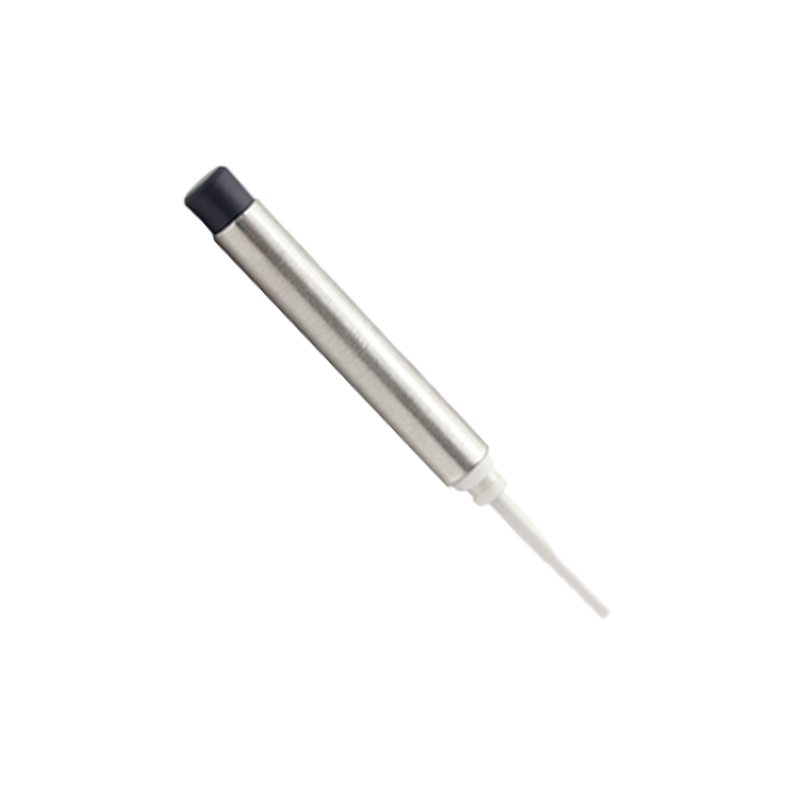
Capacitive proximity sensors, on the other hand, can detect both metallic and non-metallic materials, including liquids, plastics, glass, and wood. They function by measuring changes in capacitance between the sensor and the target object. When an object approaches the sensor's active surface, it alters the dielectric constant of the surrounding space, leading to a capacitance shift that activates the output. This versatility makes capacitive sensors suitable for level detection in tanks, material handling, and packaging industries where diverse materials are present.
Ultrasonic proximity sensors utilize sound waves beyond the human hearing range to detect objects. They emit high-frequency acoustic pulses and measure the time taken for the echo to return after hitting a target. By calculating this time-of-flight, the sensor determines the distance to the object. These sensors excel in detecting objects regardless of color, transparency, or material composition, making them valuable in applications such as distance measurement, object counting, and liquid level sensing in challenging environments.
Photoelectric sensors, while sometimes categorized separately, function as proximity devices by using light beams to detect objects. They consist of a light emitter (usually LED or laser) and a receiver. When an object interrupts or reflects the light beam, the receiver detects the change, prompting an output signal. Variants include through-beam, retro-reflective, and diffuse reflective types, each offering different sensing ranges and environmental tolerances. They are widely used in conveyor systems, automated packaging, and safety curtains.
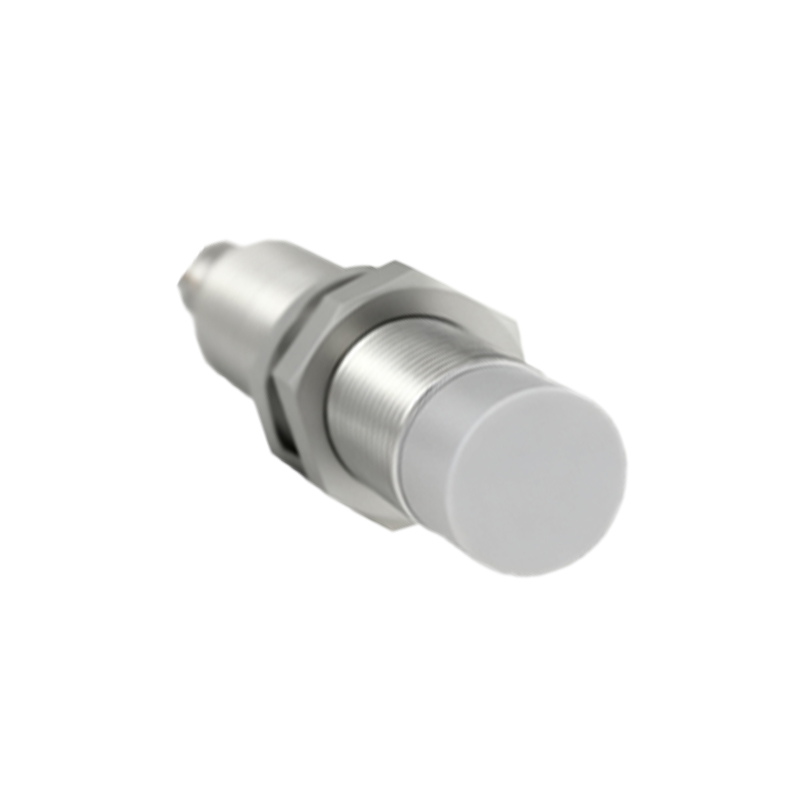
Selecting the appropriate proximity sensor for a specific application requires careful consideration of several technical parameters. The sensing range, defined as the maximum distance at which the sensor can reliably detect a standard target, is a primary factor. Engineers must also account for the target material, size, and shape, as these influence sensor performance. Environmental conditions such as temperature extremes, humidity, exposure to chemicals, or presence of electrical noise can impact sensor longevity and accuracy, necessitating models with suitable ingress protection (IP) ratings and shielding.
Output configuration is another critical aspect. Proximity sensors typically provide digital outputs (e.g., NPN, PNP, or relay) or analog outputs (e.g., 4-20 mA, 0-10 V) for continuous distance measurement. The choice depends on the control system interface requirements. Additionally, mounting considerations, including sensor size, housing material (often stainless steel or plastic), and connection type (cable or connector), must align with the mechanical constraints of the installation site.
In practical applications, proximity sensors are indispensable across numerous industries. In manufacturing, they facilitate precise positioning of robotic arms, monitor production line speeds, and ensure correct part placement. Automotive plants rely on them for assembly verification and safety interlocking. In food and beverage processing, capacitive sensors detect liquid levels in containers, while inductive sensors monitor conveyor belt movements. The logistics sector employs these sensors for parcel sorting and warehouse automation, enhancing throughput and accuracy.
Maintenance and troubleshooting are straightforward for most proximity sensors, given their solid-state design. Regular checks should include verifying clean sensing surfaces free from debris, ensuring proper alignment, and monitoring output signals with diagnostic tools. Understanding potential interference from adjacent sensors or metallic structures is also vital to prevent false triggering.
As Industry 4.0 and the Industrial Internet of Things (IIoT) advance, proximity sensors are evolving with enhanced features like IO-Link communication, which enables digital parameter setting, remote monitoring, and predictive maintenance capabilities. This connectivity allows for