In the realm of industrial automation and control systems, multi-function proximity sensors have become indispensable components, offering versatility and reliability in detecting the presence or absence of objects without physical contact. These sensors are engineered to operate across diverse environments, from manufacturing floors to harsh outdoor settings, making a thorough understanding of their specifications crucial for optimal selection and integration. This guide delves into the key parameters that define their performance, ensuring engineers and technicians can make informed decisions.
First and foremost, the sensing range is a fundamental specification. It denotes the maximum distance at which a sensor can reliably detect a target object. Multi-function proximity sensors typically offer adjustable ranges, often spanning from a few millimeters to several tens of millimeters, depending on the technology employed—inductive, capacitive, or ultrasonic. For instance, inductive sensors, ideal for metallic objects, might have a standard range of up to 15 mm, while capacitive sensors, suitable for non-metallic materials, can extend further. It is essential to consider the application's required detection distance and any potential variations due to target material, size, or environmental factors.
Another critical parameter is the output type, which determines how the sensor communicates detection events. Common outputs include NPN (sinking) and PNP (sourcing) transistor configurations, as well as analog outputs (e.g., 4-20 mA or 0-10 V) for continuous distance measurement. Some advanced models feature IO-Link or other digital interfaces, enabling real-time data exchange and parameter adjustments. The choice of output must align with the control system's input requirements to ensure seamless compatibility and avoid wiring complications.
Response time, often measured in milliseconds, indicates how quickly the sensor reacts to a change in target presence. In high-speed automation lines, a fast response time—such as 0.1 ms—is vital to maintain process efficiency and prevent bottlenecks. Conversely, slower response times may suffice for less dynamic applications. This specification is closely tied to the sensor's switching frequency, which defines the maximum number of detection cycles per second. Engineers should evaluate both metrics against the operational speed of their machinery.
Environmental ratings are equally important, as they dictate the sensor's durability under challenging conditions. Look for ingress protection (IP) ratings, such as IP67 or IP69K, which certify resistance to dust and water immersion. Temperature range specifications, typically from -25°C to +70°C or wider, ensure reliable performance in extreme climates. Additionally, resistance to shock, vibration, and chemicals—often highlighted in datasheets—can prolong sensor lifespan in rugged industrial settings.
Power supply requirements vary among models, with most multi-function proximity sensors operating on DC voltages like 10-30 VDC. Consistent voltage within the specified range is necessary to avoid malfunctions or damage. Some sensors incorporate reverse polarity protection and short-circuit safeguards, enhancing system safety. Energy efficiency, though less emphasized, can contribute to lower operational costs in large-scale installations.
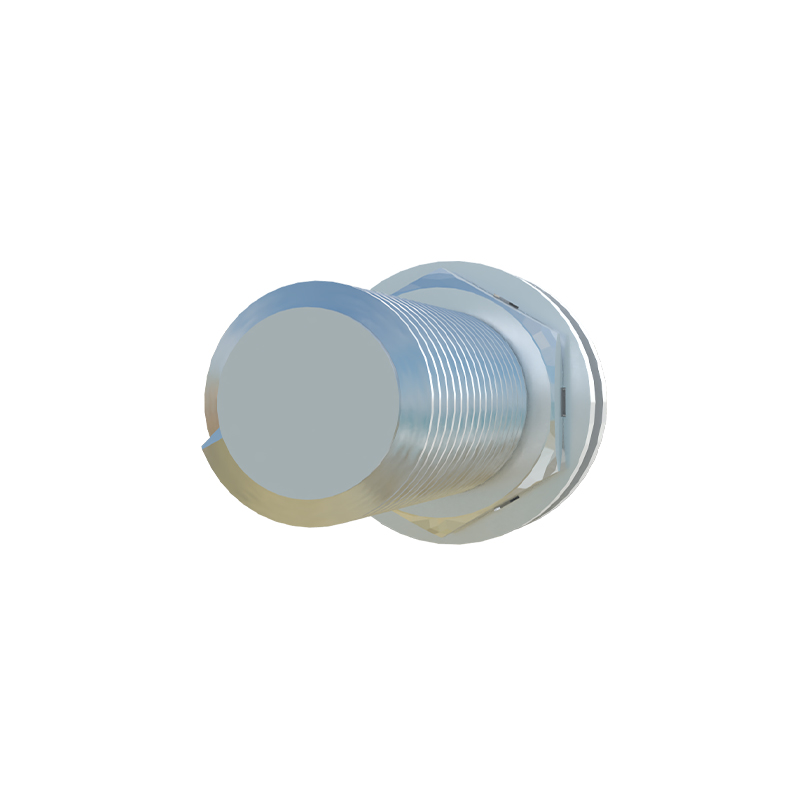
Finally, consider mounting and housing options. Standard designs include cylindrical (e.g., M8, M12, M18, M30 threads) or rectangular housings, with materials like stainless steel or PBT plastic for corrosion resistance. Factors such as sensing direction (axial or lateral) and installation space constraints should guide the selection. Many sensors offer LED indicators for status monitoring, simplifying maintenance and troubleshooting.
In summary, multi-function proximity sensors are characterized by a blend of technical specifications that influence their applicability. By meticulously assessing sensing range, output type, response time, environmental robustness, power needs, and physical attributes, professionals can deploy these sensors effectively, enhancing automation precision and reliability. Always refer to manufacturer datasheets for detailed, model-specific data, and conduct real-world testing when feasible to validate performance under actual operating conditions.