In the demanding landscape of industrial automation, particularly within hazardous environments like oil and gas refineries, chemical processing plants, and grain handling facilities, the reliability of every component is non-negotiable. Among these critical components, explosion-proof proximity sensors stand as silent guardians, tasked with detecting the presence or absence of objects without physical contact, all while ensuring the highest level of safety. The question of their effectiveness, therefore, is not merely academic but a cornerstone of operational integrity and personnel safety.
Fundamentally, an explosion-proof proximity sensor is engineered to contain any potential ignition source within its robust housing. Should a spark or excessive heat be generated internally due to a fault, the housing is designed to withstand the pressure and prevent the escape of flames or hot gases that could ignite the surrounding volatile atmosphere. This is a critical distinction from simply being "intrinsically safe," which limits electrical energy to prevent ignition in the first place. Explosion-proof designs are about robust containment.
So, do they work well? The resounding answer, when properly selected, installed, and maintained, is yes. Their effectiveness is proven across several key dimensions:
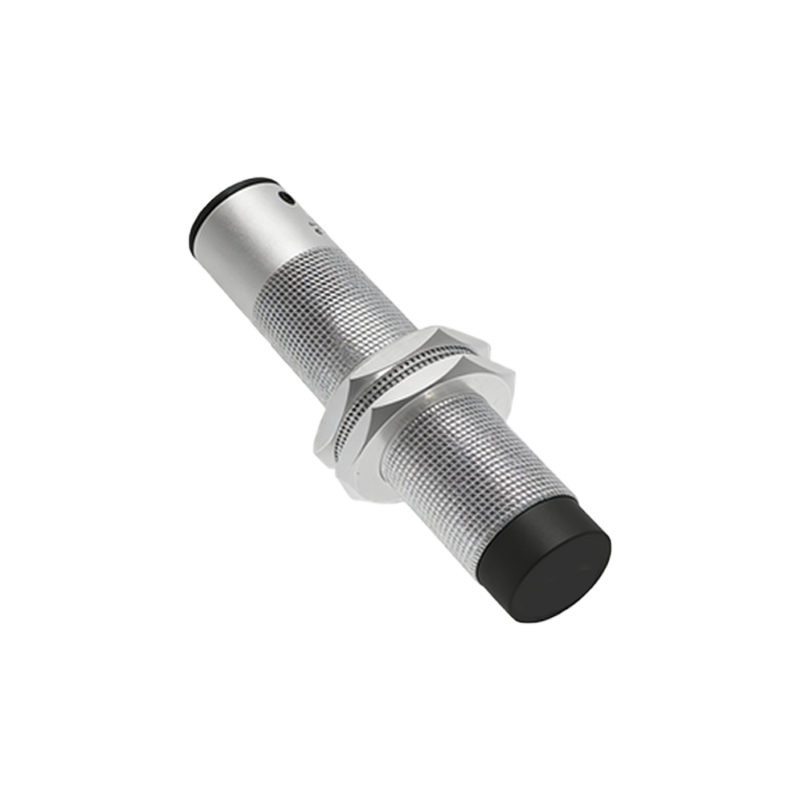
1. Unmatched Safety in Hazardous Areas: This is their primary function. By preventing internal faults from triggering external explosions, they are indispensable for Zone 1 and Zone 2 (or Division 1 and 2) classified areas where flammable gases, vapors, or dusts may be present. Their certifications from bodies like ATEX, IECEx, or UL are not just stickers; they are testaments to rigorous validation under extreme conditions.
2. Reliability and Durability: Built to withstand harsh conditions, these sensors typically feature housings made of stainless steel or robust polymers. They are resistant to vibration, impact, moisture (often rated IP67 or higher), and corrosive chemicals. This rugged construction translates to high mean time between failures (MTBF), minimizing unplanned downtime—a critical factor for continuous process industries.
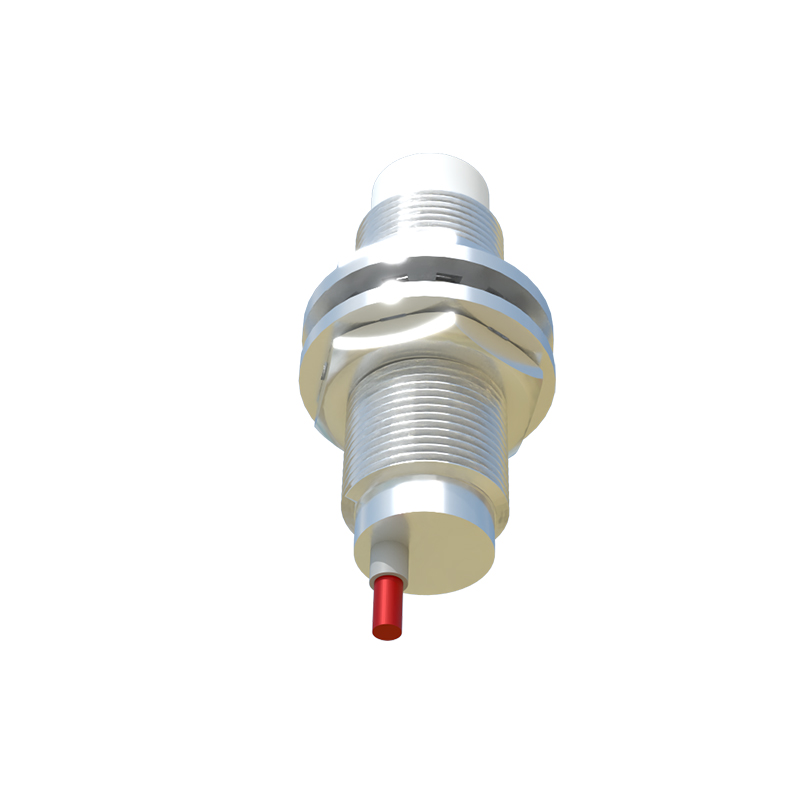
3. Maintenance of Process Efficiency: By providing non-contact, wear-free detection of metallic or non-metallic objects, they enable precise control over machinery, material flow, and positioning. Whether monitoring valve positions, counting products on a conveyor in a paint booth, or ensuring machine guarding, their consistent and accurate performance keeps processes running smoothly and efficiently.
4. Versatility in Sensing Technology: Modern explosion-proof proximity sensors are available in various technologies to suit the application. Inductive sensors are ideal for detecting metals, capacitive sensors can detect liquids, powders, and non-metals, and ultrasonic sensors offer solutions for level detection and distance measurement—all within an explosion-proof enclosure.
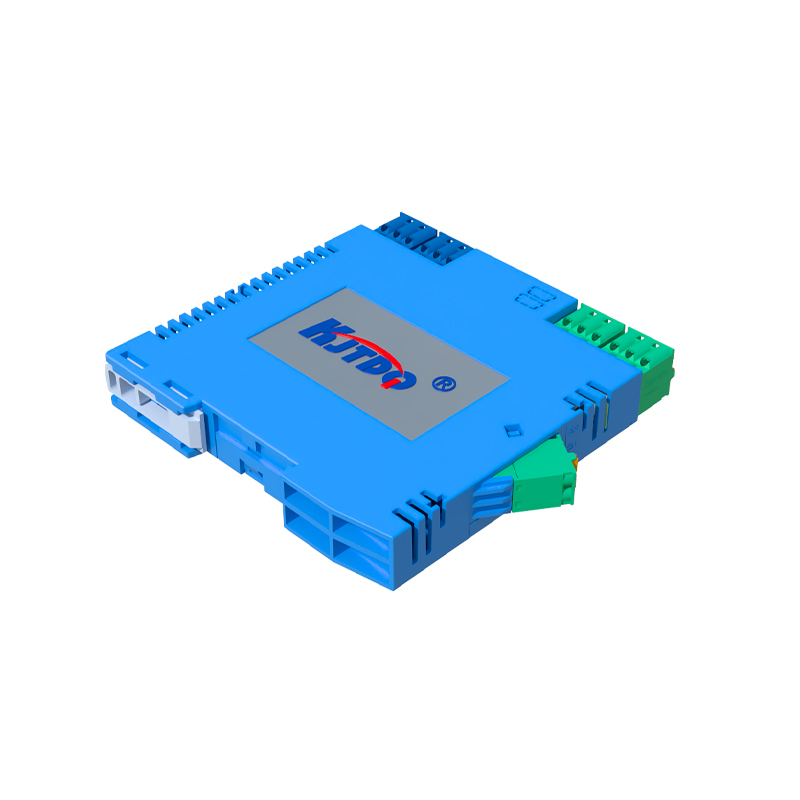
However, their effectiveness is not automatic; it is contingent upon correct application. Key considerations include:
Correct Certification: The sensor's certification (e.g., ATEX II 2G Ex db IIC T6 Gb) must precisely match the hazardous zone and gas group of the installation site.
Proper Installation: This includes following stringent guidelines for conduit sealing to prevent the passage of gases, correct torque on flame-path joints, and secure mounting. Improper installation is a common point of failure that can completely negate the sensor's protective design.
Environmental Compatibility: The sensor's temperature rating (T-rating) must be suitable for the ambient and process temperatures to prevent overheating.
Routine Inspection and Maintenance: Regular checks for physical damage, corrosion, and secure connections are vital as part of a comprehensive hazardous area management plan.
In conclusion, explosion-proof proximity sensors are highly effective and essential tools for industrial safety and automation in hazardous locations. Their performance is a direct result of sophisticated engineering, rigorous testing, and strict adherence to installation codes. They are not merely "good to have" but are fundamental components that protect lives, assets, and the continuity of operations. Their value is measured not only in their detection capabilities but in the profound risk mitigation they provide. When the application demands safety in the presence of danger, a correctly specified and installed explosion-proof proximity sensor is not just good—it is absolutely indispensable.