In modern industrial automation, the reliability of sensing components directly impacts operational continuity and system integrity. Among various sensor technologies, inductive proximity sensors stand out for their non-contact detection capabilities, particularly in challenging environments where exposure to oils, coolants, water, and particulate contaminants is inevitable. This article delves into the design principles, protection mechanisms, and application considerations of oil and water resistant inductive proximity sensors, providing insights for engineers and maintenance professionals.
Inductive proximity sensors operate on the principle of electromagnetic induction. A coil within the sensor generates a high-frequency oscillating magnetic field. When a metallic target enters this field, eddy currents are induced, causing a change in oscillation amplitude. This change is detected by the sensor's circuitry, triggering an output signal. The core advantage lies in its non-contact nature, eliminating mechanical wear and enabling high-speed detection. However, the performance can be compromised by environmental factors, making protection against oils and water critical.
To achieve oil and water resistance, manufacturers employ several key design strategies. The sensor housing is typically constructed from materials such as stainless steel (e.g., 303, 304, or 316 grades) or ruggedized plastics like PBT or PPS, which offer inherent corrosion resistance. Sealing is paramount; most industrial-grade sensors feature IP (Ingress Protection) ratings, with IP67 and IP68 being common for oil and water resistance. IP67 denotes protection against temporary immersion in water up to 1 meter for 30 minutes, while IP68 indicates continuous immersion under specified conditions. These ratings are achieved through advanced sealing techniques, including molded epoxy encapsulation of internal electronics, silicone or fluorosilicone rubber gaskets at joints, and laser-welded seams on metal housings to prevent fluid ingress.
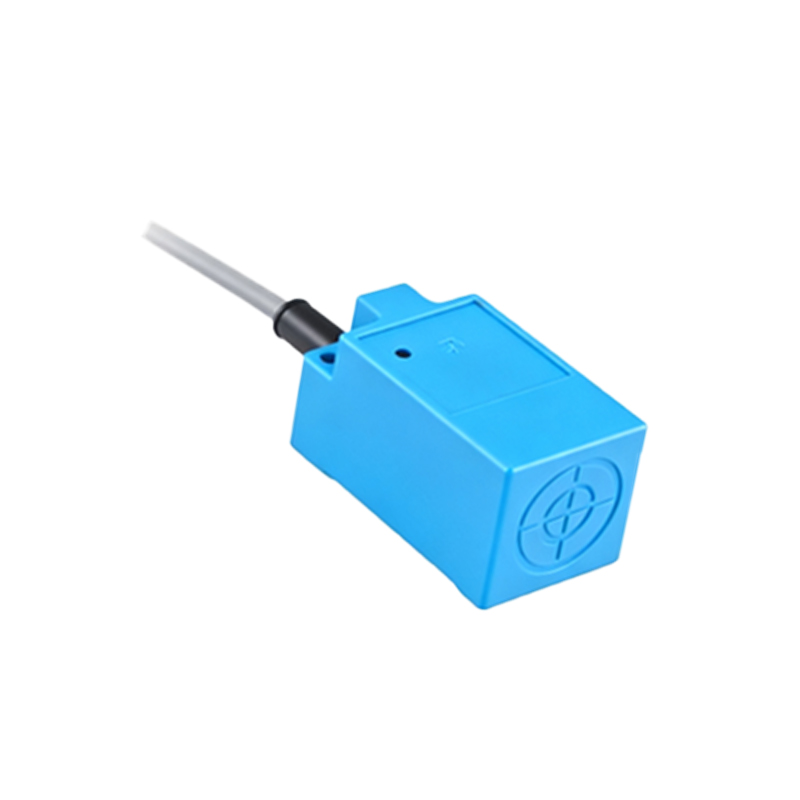
Furthermore, the sensing face—often made of a durable material like PTFE (Teflon) or ceramic—is designed to repel oils and prevent buildup that could dampen the magnetic field. Some sensors incorporate a "flush-mount" design, allowing installation flush with metal surfaces without losing detection range, which minimizes areas where contaminants can accumulate. For applications involving high-pressure washdowns (common in food processing or pharmaceutical industries), sensors with IP69K ratings are recommended, as they withstand high-temperature, high-pressure water jets.
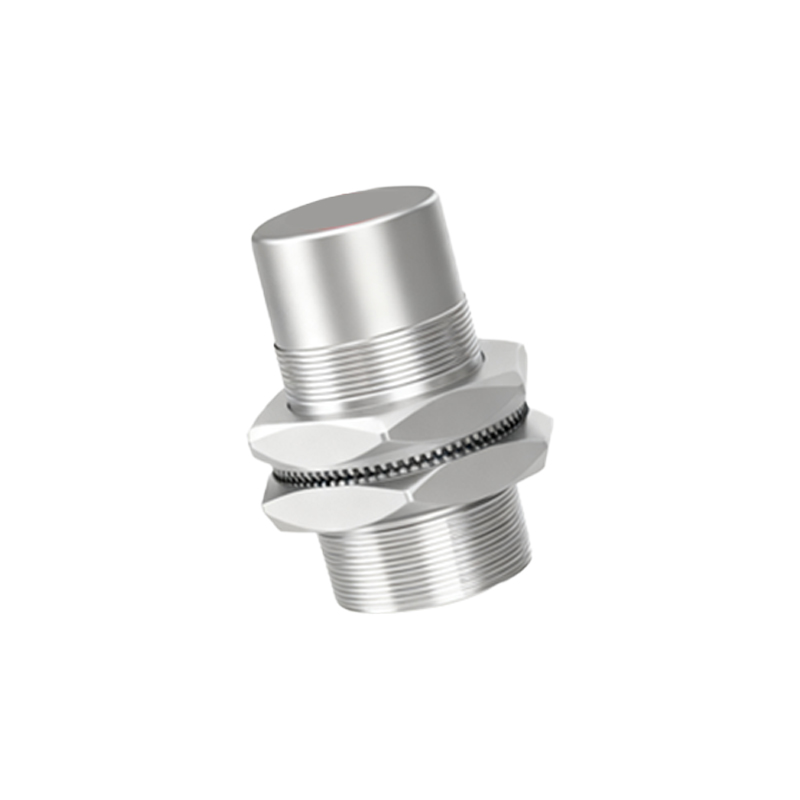
Electrical connectivity is another vulnerability. Oil and water resistant sensors utilize sealed connectors, typically meeting standards like M12 or M8 with IP67-rated couplings. Cable glands and overmolded cables provide additional strain relief and sealing where cables enter the sensor body. It is crucial to ensure that installation follows manufacturer guidelines, as improper mounting—such as overtightening—can compromise seals.
In practical applications, these sensors excel in environments like machining centers, where cutting oils and coolants are prevalent. They reliably detect tool presence, monitor spindle position, or count metallic parts on conveyor lines without false triggers from fluid splashes. In automotive manufacturing, they endure exposure to hydraulic fluids and lubricants while controlling robotic arms or verifying component placement. Marine and offshore industries also benefit, as saltwater corrosion resistance is enhanced through materials like 316 stainless steel and specialized coatings.
Maintenance considerations include regular inspection of seals and housings for cracks or wear. While these sensors are designed for durability, abrasive particles mixed with oils can gradually erode sensing faces. Cleaning with compatible solvents (avoiding harsh chemicals that degrade seals) helps maintain performance. Additionally, selecting the correct sensing range is vital; oils and debris can slightly reduce the effective range, so a margin of safety (e.g., 20% beyond the nominal distance) is advisable during design.
Emerging trends include the integration of IO-Link communication in oil and water resistant models, enabling real-time diagnostics and parameter adjustments without physical access. Smart sensors can monitor seal integrity or alert users to potential fluid ingress before failure occurs. As industries embrace Industry 4.0, such features enhance predictive maintenance strategies.
In conclusion, oil and water resistant inductive proximity sensors are engineered to withstand harsh conditions through robust materials, precise sealing, and thoughtful design. By understanding their protection mechanisms and adhering to best practices in selection and installation, engineers can ensure reliable operation, reduce downtime, and extend the lifespan of automation systems. Always consult technical datasheets and validate environmental compatibility for specific applications to achieve optimal performance.