In the automotive industry, the integration of advanced sensor technology has become a cornerstone of modern vehicle design, enhancing both convenience and security. Among these innovations, Ford's door handle proximity sensors represent a significant leap in user experience and engineering sophistication. This article delves into the technical principles, design considerations, and practical applications of these sensors, offering insights from an electrical engineering perspective.
Proximity sensors in Ford door handles primarily utilize capacitive sensing technology. This method operates by detecting changes in capacitance when an object, such as a human hand, approaches the sensor area embedded within the door handle. The sensor creates an electrostatic field; when a conductive object enters this field, it alters the capacitance, triggering a signal that commands the door to unlock. This system is designed for seamless operation, allowing users to unlock doors without physically handling a key or fob, provided they have the authorized key fob in close proximity, typically within a range of 1-2 meters.
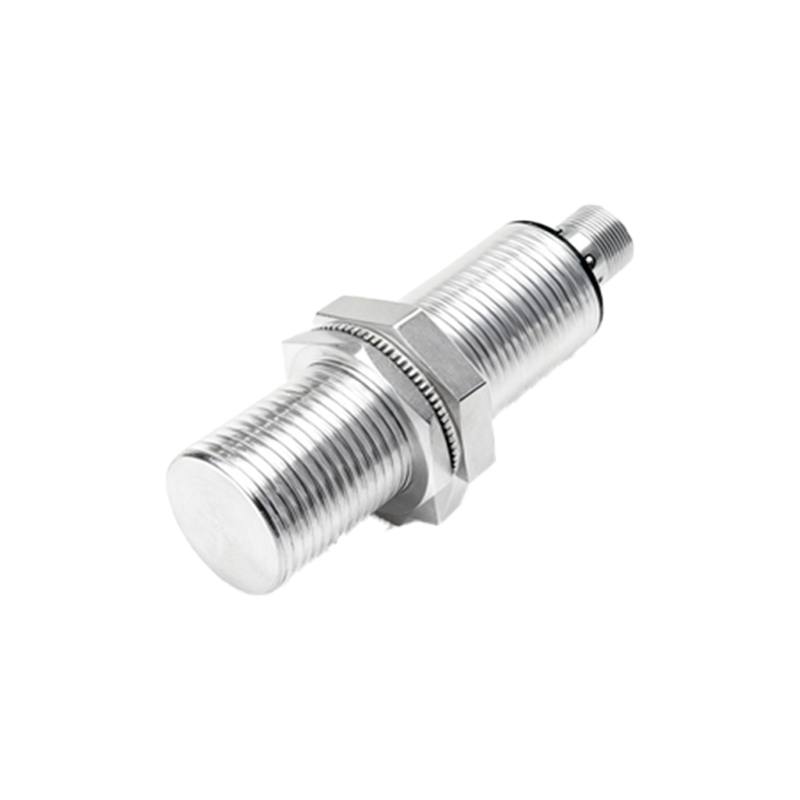
From an engineering standpoint, the design of these sensors involves meticulous attention to environmental factors. Ford engineers must account for variables such as temperature fluctuations, moisture, electromagnetic interference, and physical wear. The sensors are often encapsulated in durable, weather-resistant materials to ensure reliability under diverse conditions, from freezing winters to humid summers. Additionally, the electronic control unit (ECU) linked to the sensor processes signals with algorithms that filter out false triggers—like rain droplets or accidental brushes—ensuring that only intentional approaches result in activation. This requires sophisticated signal processing and calibration during manufacturing.
The power management of these systems is another critical aspect. Since the sensor must remain in a low-power "listen" mode to detect approach, energy efficiency is paramount to avoid draining the vehicle's battery. Ford employs low-power microcontrollers and optimized circuit designs that minimize current draw while maintaining responsiveness. In many models, the system activates fully only when the key fob is detected nearby, further conserving energy.
In terms of applications, Ford's proximity sensors are not limited to unlocking. They are integrated into broader passive entry and start systems (PES), where the same technology can lock doors as the user walks away or enable hands-free liftgate operation. This integration enhances safety by reducing the need for physical contact, which is particularly valuable in scenarios like loading groceries or during inclement weather. Moreover, the sensors contribute to anti-theft mechanisms; by requiring the authenticated key fob, they prevent unauthorized access attempts.
Looking forward, the evolution of these sensors aligns with trends in connectivity and automation. Future iterations may incorporate biometric recognition or smartphone-based authentication, expanding functionality. However, challenges remain, such as ensuring cybersecurity against relay attacks, where thieves amplify signals from key fobs. Ford addresses this through rolling code encryption and motion-sensing fobs that deactivate when stationary.
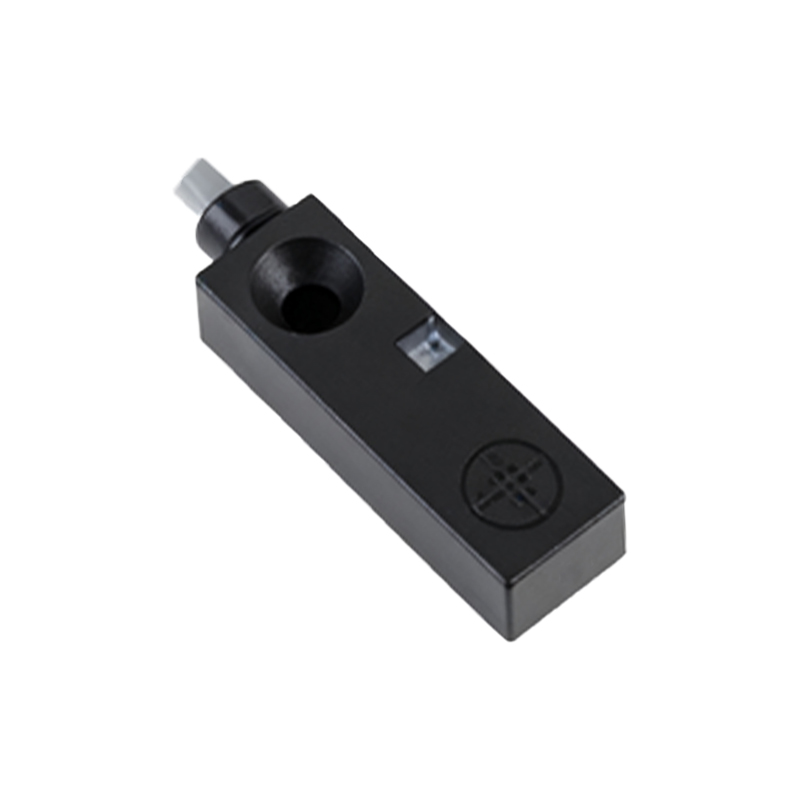
In conclusion, Ford's door handle proximity sensors exemplify how electrical engineering innovations drive automotive advancements. By blending capacitive sensing, robust design, and intelligent software, they offer a balance of convenience, security, and efficiency. As vehicles become more interconnected, these sensors will continue to play a pivotal role in shaping the user experience, reflecting Ford's commitment to cutting-edge technology in the automotive sector.