In the field of industrial automation and electronic design, proximity sensors play a crucial role in detecting the presence or absence of objects without physical contact. A common inquiry among engineers and procurement specialists is whether a 20mm proximity sensor exists to meet specific application requirements. This article delves into the availability, types, and considerations for 20mm proximity sensors, providing a comprehensive overview for professionals in the electrical and automation industries.
Proximity sensors are typically categorized by their sensing technology, such as inductive, capacitive, ultrasonic, or optical. The "20mm" specification usually refers to the sensing distance or the physical size of the sensor. In practice, sensors with a 20mm sensing range are widely available, especially in inductive and capacitive variants. Inductive proximity sensors, for instance, are designed to detect metallic objects and often come in standard ranges like 5mm, 10mm, 20mm, and beyond. These sensors are commonly used in manufacturing lines, robotics, and safety systems where precise detection of metal components is essential. For example, a 20mm inductive sensor might be employed in conveyor systems to monitor the position of metal parts, ensuring smooth operation and preventing jams.
Capacitive proximity sensors, which can detect both metallic and non-metallic materials, also offer models with a 20mm sensing distance. These are ideal for applications involving liquids, plastics, or other materials that require non-contact detection. In packaging industries, a 20mm capacitive sensor might be used to verify the presence of containers or to control filling levels without direct interaction, enhancing efficiency and hygiene.
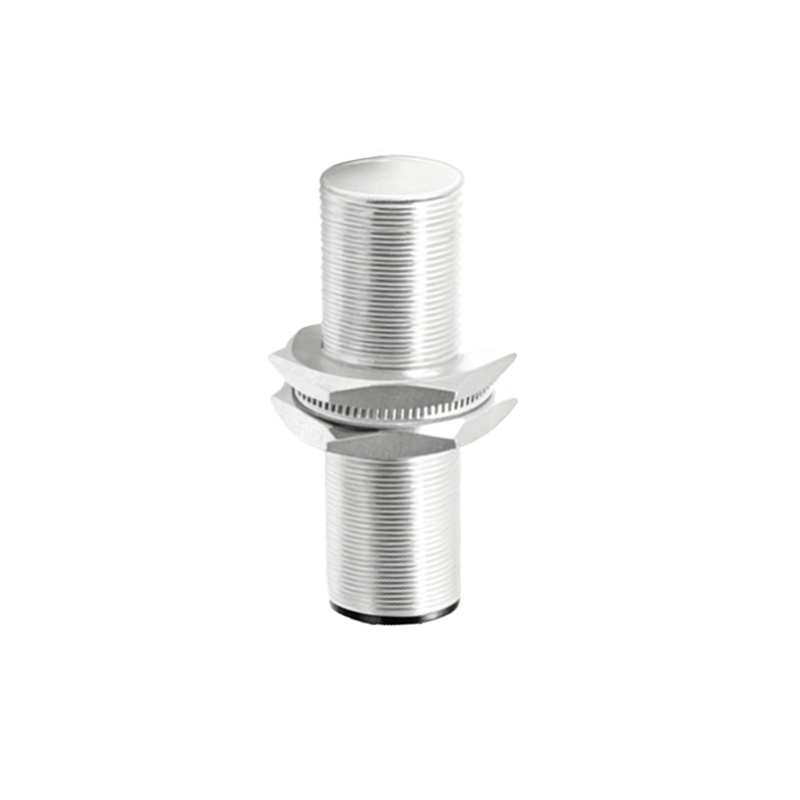
When it comes to physical dimensions, some proximity sensors are designed with a 20mm diameter housing, which can be important for installation in tight spaces. Manufacturers like Omron, Schneider Electric, and Siemens produce compact sensors with such specifications, catering to diverse industrial needs. It's crucial to check datasheets for exact dimensions, as the term "20mm" might refer to the sensing range, housing size, or both, depending on the context.
Selecting a 20mm proximity sensor involves several factors beyond just size or range. Engineers must consider the operating environment, such as temperature, humidity, and potential exposure to dust or chemicals. For harsh conditions, sensors with IP67 or higher ratings are recommended to ensure durability and reliability. Additionally, output types (e.g., NPN, PNP, analog) and supply voltage requirements should align with the existing control systems. In automotive assembly, for instance, a 20mm inductive sensor with a PNP output might be integrated into a PLC-based setup to detect engine components, contributing to quality control and automation.
Another aspect to evaluate is the response time and switching frequency, which determine how quickly the sensor can detect objects and send signals. High-speed applications, like in electronics manufacturing, may require sensors with fast response times to keep up with rapid production cycles. Furthermore, mounting options (e.g., flush or non-flush) can affect the sensing performance, especially for inductive sensors, where flush-mounted versions allow installation without protruding, reducing the risk of damage.
In summary, 20mm proximity sensors are indeed available and widely used across various industries. They offer a balance of range and compactness, making them versatile for tasks from simple object detection to complex automation processes. Professionals should consult with suppliers or refer to technical catalogs to find the right model based on specific parameters. As technology advances, newer sensors with enhanced features, such as IO-Link connectivity for smart factory integration, are emerging, providing even more options for optimizing industrial systems. By understanding the nuances of these sensors, engineers can make informed decisions to improve efficiency, safety, and productivity in their projects.