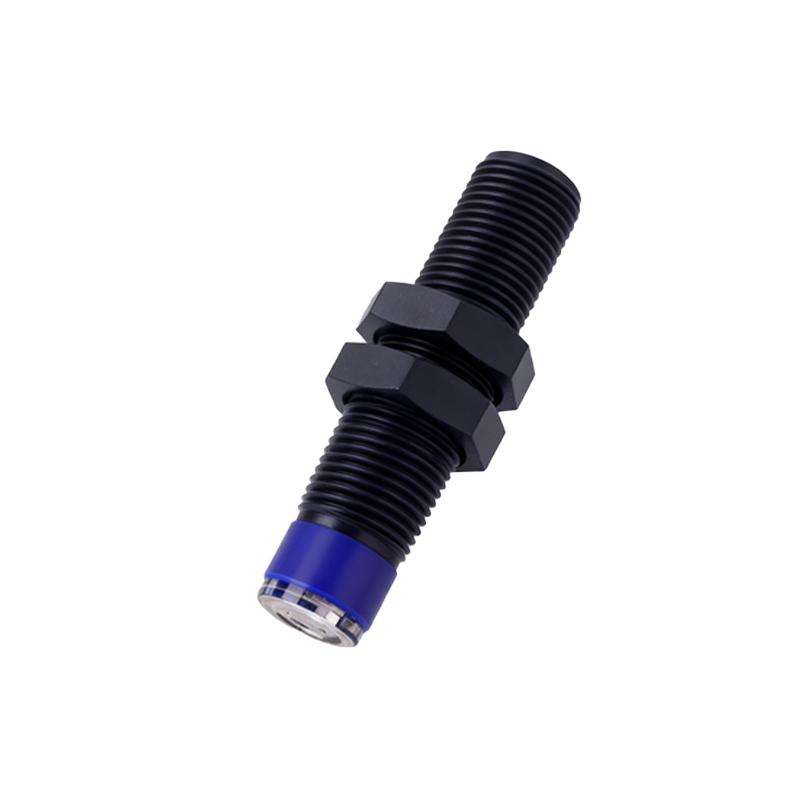
In the realm of industrial automation and machine control, the reliable detection of objects without physical contact is paramount. Among the myriad of solutions available, the PRT18-8DC inductive proximity sensor stands out as a robust and versatile component. This article delves into the technical specifications, operational principles, common applications, and key selection criteria for this widely used sensor.
The PRT18-8DC is an inductive proximity switch with an 18mm cylindrical threaded barrel housing, typically constructed from nickel-plated brass or stainless steel for durability in harsh environments. The "DC" designation indicates it operates on a direct current supply voltage, commonly within the range of 10-30V DC. Its output configuration is typically a 3-wire design, providing either a PNP (sourcing) or NPN (sinking) transistor switch output, which interfaces seamlessly with programmable logic controllers (PLCs), counters, and other control systems.
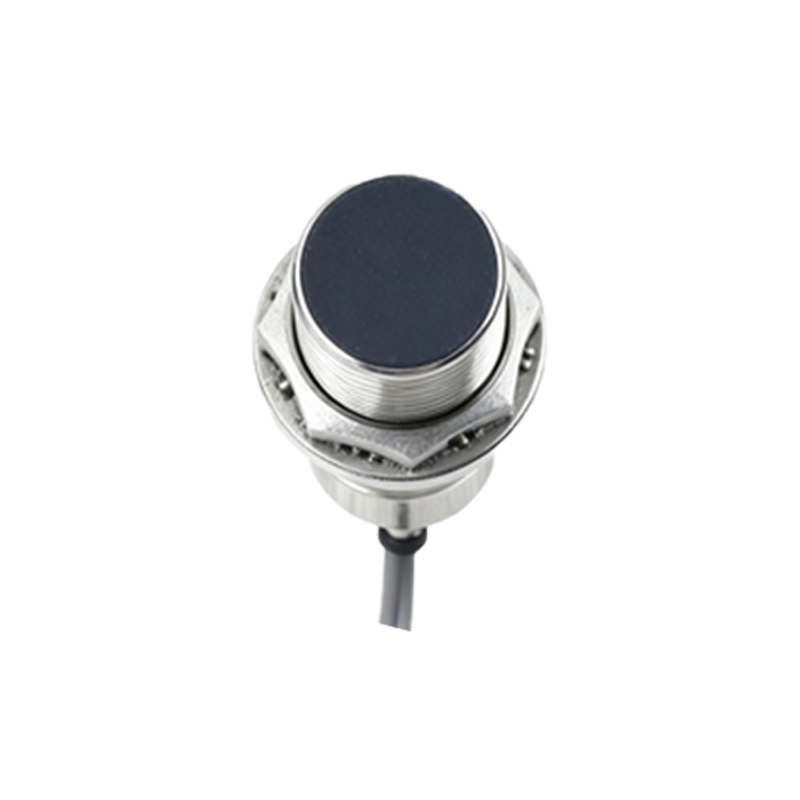
At its core, the sensor operates on the principle of electromagnetic induction. An internal oscillator generates a high-frequency electromagnetic field that radiates from the active face of the sensor. When a metallic object (the "target") enters this detection field, eddy currents are induced on the surface of the target. This causes a change in the oscillation amplitude within the sensor, which is detected by a threshold circuit. This circuit then triggers the solid-state output switch to change state—either turning ON or OFF—providing a clear signal of the object's presence. The rated sensing distance for the PRT18-8DC is 8mm, a standardized value ensuring reliable and repeatable detection. It is crucial to note that this nominal range is defined for a standard mild steel target. Factors such as target material, size, shape, and installation conditions can affect the actual sensing performance.
The technical specifications of the PRT18-8DC highlight its suitability for industrial settings. It often features protection ratings of IP67 or higher, making it resistant to dust ingress and capable of withstanding temporary immersion in water. Operating temperature ranges are typically from -25°C to +70°C. Key performance parameters include a short-circuit and reverse polarity protection, a switching frequency often up to 1kHz, and minimal hysteresis. The built-in LED status indicator provides visual confirmation of the output state and power supply, aiding in installation and troubleshooting.
Applications for the PRT18-8DC sensor are extensive across various industries. In automotive manufacturing, it is used for part presence verification on assembly lines, end-of-travel detection on actuators, and robotic tooling positioning. Within packaging machinery, it counts products on conveyors, detects fill levels, and monitors the position of sealing jaws. In material handling, these sensors ensure pallet positioning, control gate operations, and confirm the passage of metal containers. Their robust nature also makes them ideal for use in machine tools for tool breakage detection, workpiece clamping confirmation, and monitoring spindle position.
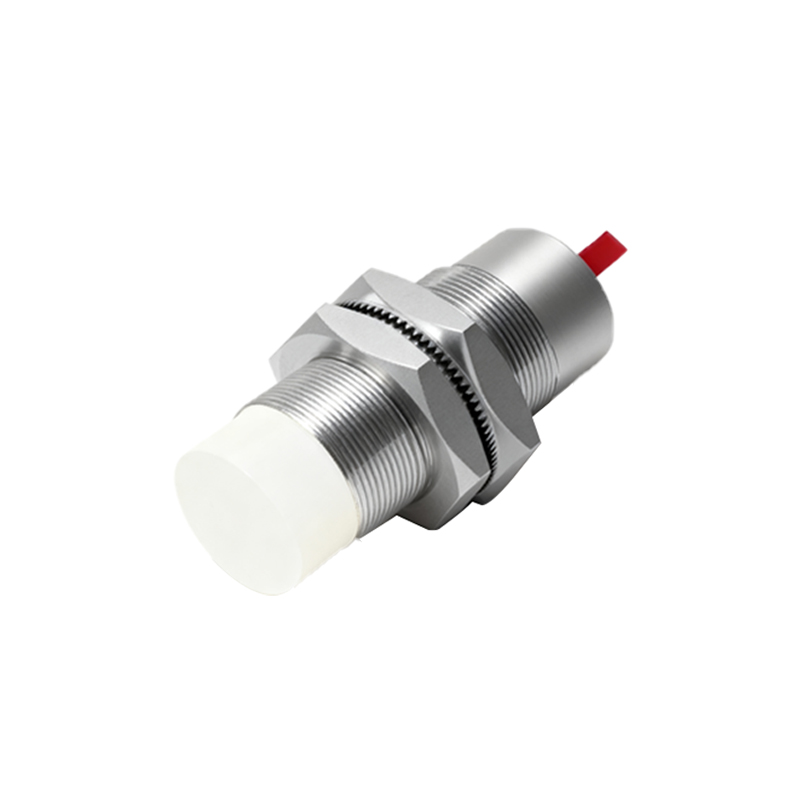
Selecting the correct PRT18-8DC variant is critical for system reliability. The primary choice is between PNP and NPN output types, which must match the input circuit requirements of the connected controller. The housing material should be chosen based on the environment; stainless steel is preferred for highly corrosive or washdown areas. While designed for metals, the sensor's sensitivity varies: mild steel provides the full 8mm range, while stainless steel, aluminum, and copper brass yield reduced sensing distances, often detailed in correction factor tables provided by manufacturers. Proper installation is equally important; sensors should be mounted securely to avoid vibration issues, and adequate clearance must be maintained between adjacent sensors and metal surroundings to prevent mutual interference or shielding effects.
In summary, the PRT18-8DC inductive proximity sensor is a fundamental building block in modern industrial control systems. Its combination of a standardized form factor, reliable non-contact sensing, and rugged construction ensures precise detection of metallic objects in demanding applications. By understanding its operating principles, carefully reviewing its specifications against the application requirements, and following proper installation guidelines, engineers and technicians can leverage this sensor to enhance machine efficiency, safety, and automation intelligence.