In the rapidly evolving landscape of industrial automation, laser proximity sensors have become indispensable tools for precision measurement, object detection, and quality control. Their ability to deliver high accuracy, fast response times, and reliable performance in challenging environments makes them a preferred choice across manufacturing, packaging, robotics, and automotive sectors. This article provides a comprehensive ranking of leading laser proximity sensors based on key performance metrics, technological innovation, and industry adoption.
Ranked first is the Keyence IL Series. Renowned for its ultra-high precision and stability, the IL Series utilizes advanced CMOS laser technology to achieve measurement resolutions as fine as 0.1 µm. Its robust design ensures consistent operation even in environments with vibrations or temperature fluctuations. Features like automatic sensitivity adjustment and multi-point teaching simplify integration, making it a top pick for semiconductor fabrication and精密 assembly lines.
Following closely is the Sick DT35 Series. Engineered for durability, the DT35 excels in harsh industrial settings with IP67 protection and resistance to dust, moisture, and mechanical stress. It offers versatile sensing ranges up to 2 meters with a response time under 1 ms, ideal for logistics automation and material handling. Its intuitive configuration via IO-Link enhances flexibility, allowing real-time parameter adjustments and diagnostics.
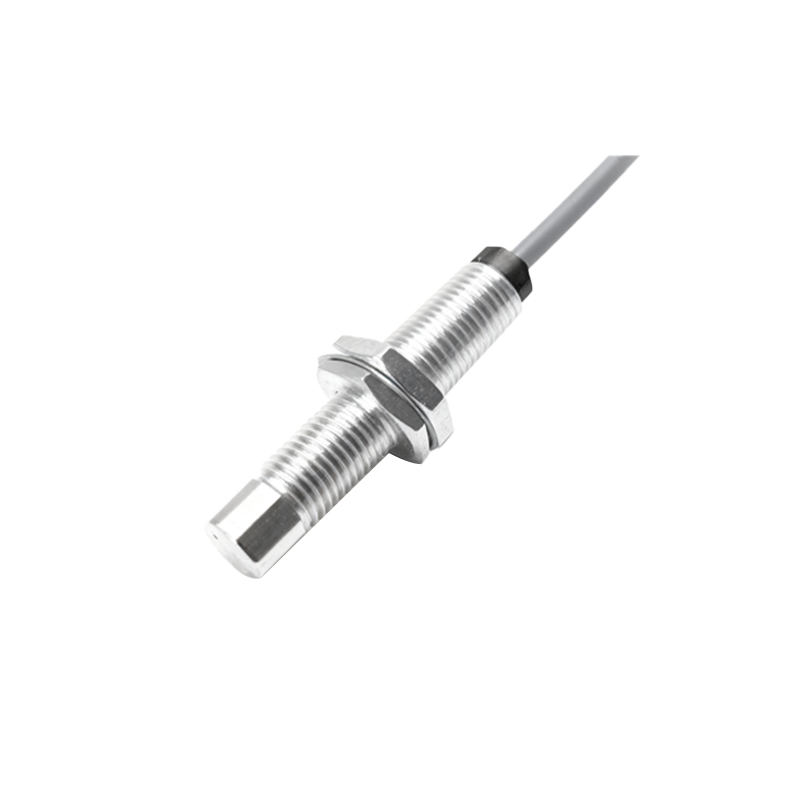
The Omron E3Z-LS Series secures the third spot for its balance of cost-effectiveness and performance. With a compact housing and easy alignment, it is widely used in packaging machinery and conveyor systems. The series provides stable detection of small or reflective objects, thanks to its visible red laser beam and background suppression功能. Its energy-efficient design reduces operational costs, appealing to mid-scale manufacturers.
In fourth place is the Banner Engineering Q4X Series. This sensor stands out for its ruggedness, featuring stainless steel construction and FDA-compliant materials for food and beverage applications. It combines laser accuracy with reliable operation in wet or dirty conditions, offering dual digital outputs for enhanced control. The Q4X is particularly valued in pharmaceutical and chemical industries where hygiene and corrosion resistance are critical.
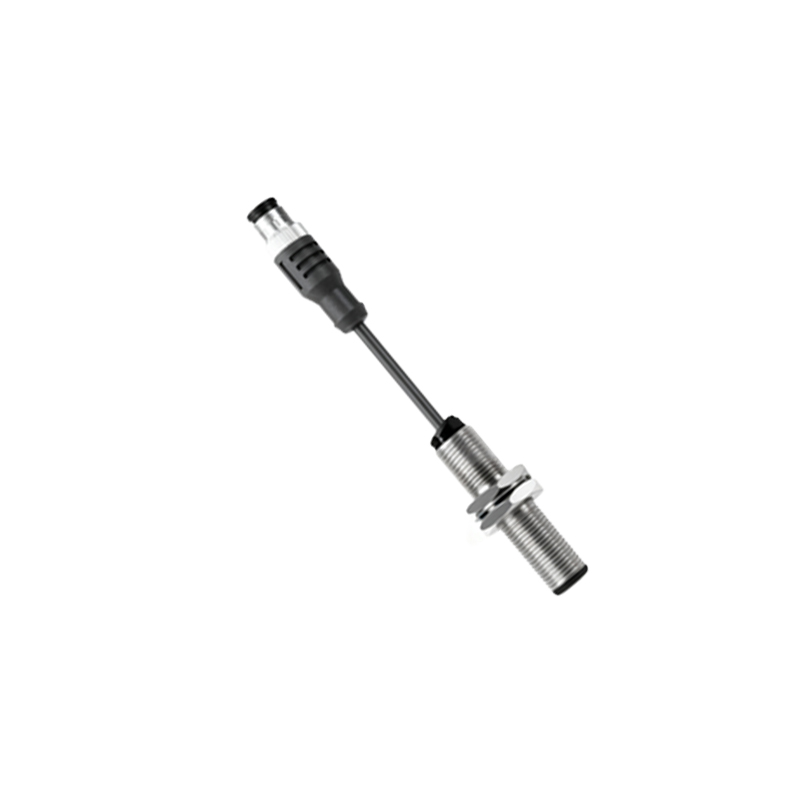
The Pepperl+Fuchs ML100 Series ranks fifth, emphasizing versatility and user-friendly operation. It supports multiple output modes (e.g., NPN, PNP) and sensing ranges adaptable to diverse tasks, from position monitoring to fill level detection. Its integrated diagnostics via LED indicators facilitate quick troubleshooting, minimizing downtime in production environments.
Emerging trends in laser proximity sensors include the integration of AI for predictive maintenance, enhanced connectivity through Industrial IoT, and miniaturization for space-constrained applications. When selecting a sensor, engineers should consider factors like measurement range, accuracy, environmental ratings, and compatibility with existing control systems. Regular calibration and adherence to safety standards (e.g., IEC 60825 for laser safety) are essential for optimal performance.
In conclusion, the ranking reflects a blend of precision, durability, and innovation. While Keyence leads in high-end applications, brands like Sick and Omron offer robust solutions for everyday industrial needs. As automation advances, laser proximity sensors will continue to evolve, driving efficiency and reliability in smart factories worldwide.