Laser cutting technology has revolutionized modern manufacturing, offering unparalleled precision, speed, and versatility. At the heart of this advanced process lies a critical component: the laser cutting sensor. These sensors are integral to ensuring accuracy, maintaining quality, and optimizing efficiency in industrial applications. Understanding their principles is essential for engineers and technicians working with automated fabrication systems.
Fundamentally, laser cutting sensors operate by detecting and measuring specific physical parameters during the cutting process. The primary types include position sensors, temperature sensors, and optical sensors, each serving a distinct function. Position sensors, often based on capacitive or inductive principles, monitor the distance between the laser head and the workpiece. Maintaining an optimal standoff distance is crucial, as variations can lead to defocusing, resulting in poor cut quality or even damage to the equipment. These sensors provide real-time feedback to the control system, which adjusts the laser head's height dynamically, ensuring consistent focus and energy density on the material surface.
Optical sensors play a pivotal role in monitoring the cutting process itself. They typically utilize photodiodes or cameras to observe the kerf—the narrow channel created by the laser beam. By analyzing the light emitted from the cutting zone, such as plasma radiation or thermal emissions, these sensors can infer key parameters like cut depth, edge quality, and the presence of defects. For instance, variations in light intensity may indicate incomplete penetration or the formation of dross. Advanced systems employ spectroscopic analysis to assess the chemical composition of the emitted light, enabling real-time adjustments to laser power or feed rate to correct anomalies.
Temperature sensors, often infrared-based, are employed to monitor thermal conditions around the cutting area. Excessive heat can cause material warping, metallurgical changes, or even ignition in certain materials. By providing continuous temperature data, these sensors help prevent thermal damage and ensure the structural integrity of the workpiece. In metals, for example, maintaining a controlled heat-affected zone (HAZ) is vital for preserving material properties. The sensor data integrates with cooling systems or process parameters to regulate temperature within safe limits.
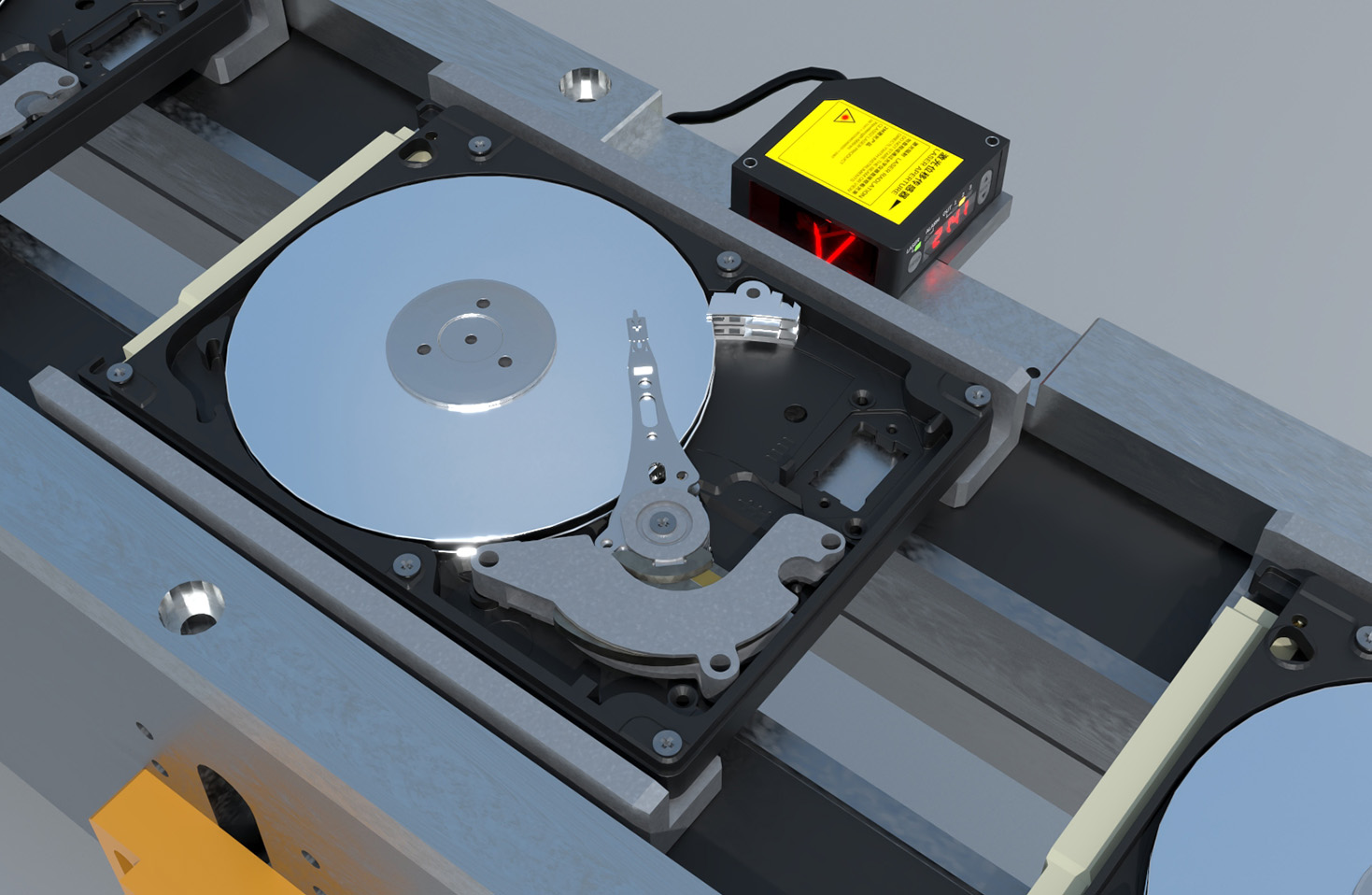
The integration of these sensors into a cohesive system relies on sophisticated control algorithms. Modern laser cutters utilize programmable logic controllers (PLCs) or industrial PCs to process sensor inputs and execute corrective actions. This closed-loop control mechanism enhances process stability and repeatability. For example, if a position sensor detects a deviation due to material warping, the system can instantly recalibrate the laser path, avoiding scrap and reducing downtime. Similarly, optical feedback can trigger automatic power modulation to adapt to varying material thicknesses or reflectivity.

Key challenges in laser cutting sensor technology include environmental factors and material diversity. High levels of dust, smoke, or spatter in industrial settings can interfere with optical sensors, necessitating protective enclosures or air-purification systems. Additionally, different materials—such as metals, plastics, or composites—exhibit unique behaviors under laser irradiation, requiring sensor systems to be adaptable. Innovations like multi-sensor fusion, where data from multiple sensor types are combined, are addressing these issues by providing a more comprehensive process view.
Emerging trends are pushing the boundaries of sensor capabilities. The adoption of artificial intelligence and machine learning enables predictive maintenance and quality control. Sensors can now detect subtle patterns indicative of wear in optical components or gradual misalignment, allowing for preemptive servicing. Furthermore, the rise of Industry 4.0 has facilitated the integration of laser cutting sensors with broader manufacturing execution systems (MES), enabling data-driven optimization across production lines.
In practice, selecting the appropriate sensor depends on the specific application requirements. For high-precision cutting of thin metals, a high-resolution position sensor might be prioritized. In contrast, cutting reflective materials like copper or aluminum may demand advanced optical sensors capable of handling intense glare. Engineers must consider factors such as response time, accuracy, environmental robustness, and compatibility with existing control architectures.
Ultimately, laser cutting sensors are the eyes and nerves of automated cutting systems. Their ability to provide precise, real-time feedback transforms raw laser power into a controlled, intelligent process. As manufacturing demands grow for higher quality and efficiency, continued advancements in sensor technology will be instrumental. From basic proximity detection to complex spectral analysis, these components ensure that laser cutting remains at the forefront of industrial innovation, enabling the creation of intricate parts with micron-level accuracy. For professionals in the field, a deep grasp of these principles is not just academic—it's a practical necessity for harnessing the full potential of laser-based fabrication.