In the realm of industrial automation, proximity sensors are indispensable components for non-contact detection of objects. Among the myriad of form factors available, M12 and M8 threaded cylindrical sensors are two of the most prevalent standards. While they share the same fundamental operating principles—typically inductive, capacitive, or magnetic—their differences in size, performance, and application suitability are critical for engineers and system designers to understand. This article delves into a technical comparison to guide optimal sensor selection.
The most apparent distinction lies in physical dimensions. As denoted by their names, the M12 sensor features a 12mm diameter threaded housing, whereas the M8 sensor has an 8mm diameter. This size variance directly influences the sensor's mounting requirements. M12 sensors require a larger installation space and a correspondingly larger mounting nut and hole. Their robust build generally offers higher mechanical strength and better resistance to vibration. Conversely, the compact M8 design is ideal for applications with severe space constraints, such as within small machinery, robotic grippers, or on densely populated PCB boards. However, the smaller housing can sometimes limit the size of the internal coil and electronics.
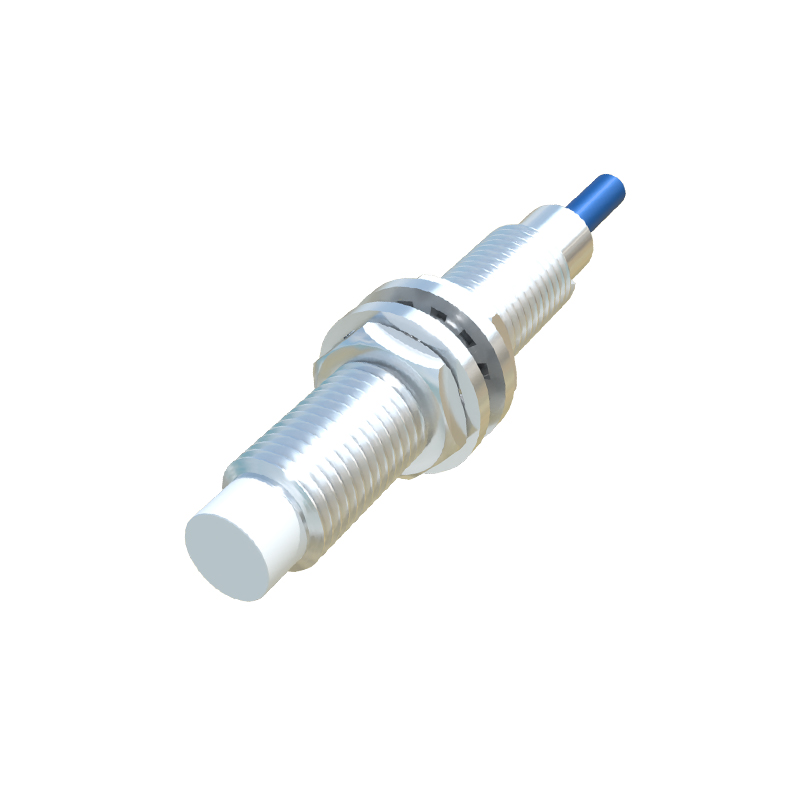
Performance parameters are significantly impacted by size. Sensing distance, a key specification, is typically greater for M12 sensors. A standard shielded inductive M12 sensor might offer a sensing range of 4mm or 8mm, while a comparable M8 sensor often provides 1.5mm to 2mm. This makes M12 sensors preferable for applications requiring a larger air gap. The larger form factor of the M12 also allows for more powerful electronics and potentially more advanced features, such as extended temperature ranges, higher switching frequencies, or enhanced noise immunity. M8 sensors, due to their miniaturization, may have more conservative electrical specifications. For instance, their maximum switching current and voltage ratings might be lower than those of M12 models.
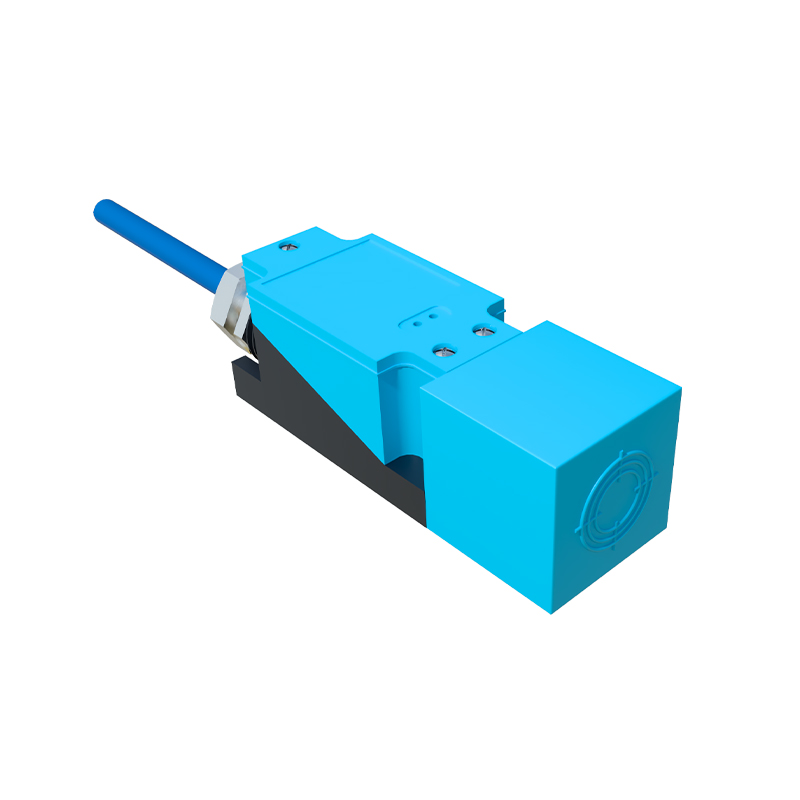
Electrical connectivity is another differentiating factor. Both commonly use quick-disconnect, pre-wired cables or connectors. M12 sensors traditionally utilize 4-pin configurations, which provide versatility for different sensor types (e.g., PNP/NPN, NO/NC) and sometimes analog output or IO-Link digital communication. The M8 connector standard is usually a 3-pin or 4-pin design. The 3-pin version is common for basic DC sensors, while 4-pin M8 connectors can support similar functionalities to M12 but in a compact package. It is crucial to verify pin assignments and wiring diagrams, as they are not universally standardized between manufacturers.
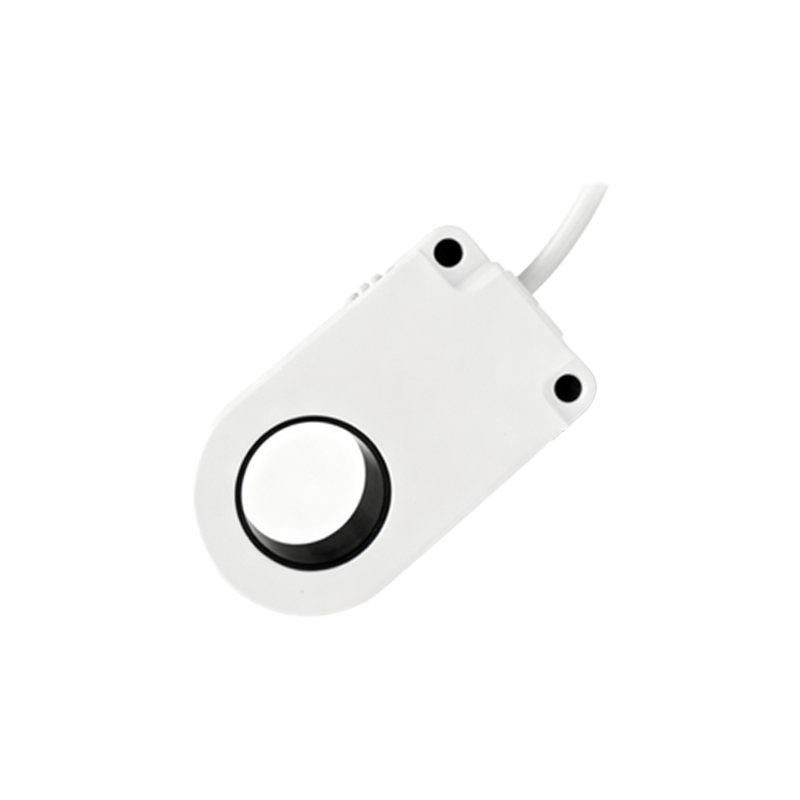
Application suitability stems from these physical and electrical characteristics. M12 sensors are the workhorses of heavy industry. Their robustness, longer sensing ranges, and reliable performance make them ideal for automotive manufacturing, material handling, packaging machinery, and metalworking applications where durability is paramount. They are often the default choice for detecting larger metal parts, pallets, or machine elements.
M8 sensors excel in light-duty or space-critical automation. They are ubiquitous in electronics assembly, small-scale robotics, semiconductor handling, and within modular automation systems like linear slides or tool changers. Their small size minimizes interference with moving parts and allows for high-density installation. They are perfectly suited for detecting small components, verifying the position of miniature actuators, or as end-of-stroke sensors in compact cylinders.
Environmental ratings, such as IP (Ingress Protection) codes, are available for both types. High-quality M12 and M8 sensors can achieve IP67 or IP69K ratings, making them resistant to dust and water jets. However, the larger sealing surfaces of the M12 may sometimes contribute to marginally more consistent performance in extremely harsh washdown environments over long periods.
In conclusion, the choice between an M12 and an M8 proximity sensor is not about superiority but appropriateness. System designers must conduct a thorough analysis of the application requirements: available mounting space, required sensing distance, necessary electrical specifications, environmental conditions, and cost constraints. The M12 offers power, range, and ruggedness for demanding industrial settings. The M8 provides a compact, cost-effective solution for precision applications where space is at a premium. By carefully weighing these technical distinctions, engineers can ensure reliable sensor integration, maximizing system efficiency and longevity.