In the realm of commercial kitchen ventilation, the evolution of grease sensing technology has been pivotal for enhancing fire safety, operational efficiency, and maintenance protocols. Traditional methods, such as manual inspection or basic photoelectric sensors, often fall short in accuracy and responsiveness. Enter the laser-based grease sensor—a sophisticated innovation that is redefining how kitchen exhaust systems are monitored and managed.
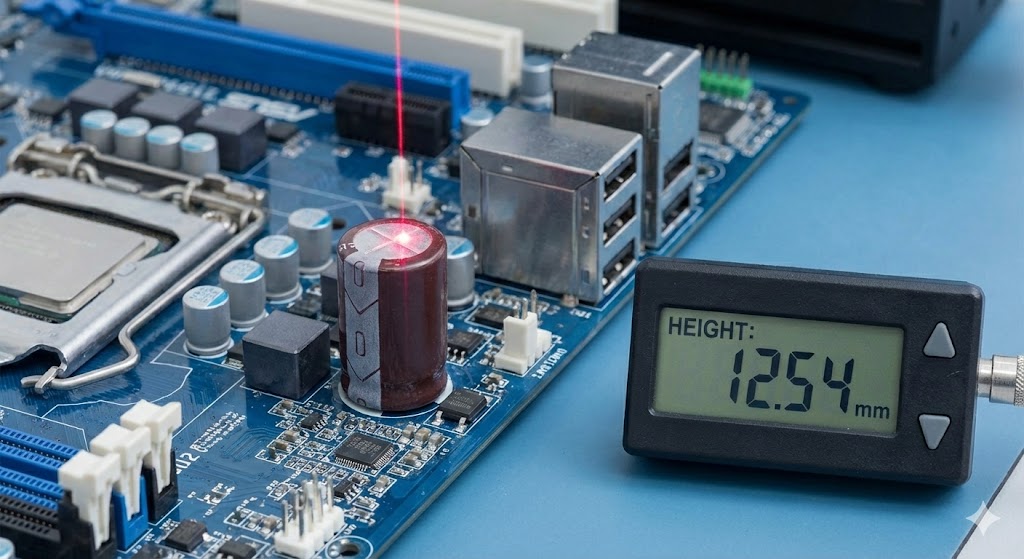
At its core, a laser grease sensor operates on the principle of light scattering. A focused laser beam is directed across the path of airflow within the ductwork of a kitchen exhaust hood. As grease particles, aerosols, and vapors—collectively known as grease-laden effluent—pass through this beam, they cause the light to scatter. The sensor’s photodetector measures the intensity and pattern of this scattered light. Advanced algorithms then analyze this data to quantify the concentration of grease accumulation in real-time. This method offers exceptional precision, capable of detecting particulate matter down to sub-micron levels, far surpassing the capabilities of conventional mechanical or optical sensors.
The advantages of integrating laser sensors into kitchen ventilation are manifold. Primarily, they provide continuous, real-time monitoring, enabling proactive maintenance. Instead of relying on scheduled cleanings—which may be too early or too late—facility managers can optimize cleaning cycles based on actual grease buildup. This not only reduces unnecessary maintenance costs but also significantly mitigates fire risks. Grease accumulation in exhaust ducts is a leading cause of commercial kitchen fires; by alerting staff before hazardous levels are reached, laser sensors serve as an early warning system. Moreover, these sensors contribute to energy efficiency. By ensuring that exhaust fans and make-up air systems operate only as needed, based on actual grease load, they help reduce energy consumption and lower operational expenses.
From an engineering perspective, the design and installation of laser grease sensors require careful consideration. They must be positioned in areas of the duct with representative airflow, typically after filters and before any bends or transitions that could cause turbulent flow. Calibration is critical to account for variables such as the type of cooking (e.g., grilling versus frying), which produces different particulate profiles. Modern sensors often come with self-diagnostic features and connectivity options, integrating into Building Management Systems (BMS) or IoT platforms for remote monitoring and data analytics. This allows for trend analysis over time, helping kitchens identify peak usage periods or equipment issues.
In practice, laser grease sensors are becoming indispensable in high-volume food service establishments, including restaurants, hotels, and institutional kitchens. Regulatory bodies in many regions are increasingly recognizing the value of such technology, with some codes beginning to recommend or mandate continuous monitoring systems. Beyond safety, these sensors support sustainability goals by optimizing resource use and reducing the environmental impact of over-ventilation.
Looking ahead, the future of laser-based sensing in kitchen ventilation is bright. Ongoing research focuses on enhancing sensor durability in harsh, high-temperature environments and improving algorithms to distinguish grease from other airborne contaminants like steam or smoke. Integration with AI could enable predictive analytics, forecasting maintenance needs before sensors even trigger an alert. As the technology becomes more cost-effective, its adoption is expected to expand, setting a new standard for intelligent kitchen management.

In conclusion, laser grease sensors represent a significant leap forward in commercial kitchen safety and efficiency. By providing precise, real-time data on grease accumulation, they empower operators to make informed decisions, prevent fires, and optimize operations. For engineers and facility managers, embracing this technology is not just an upgrade—it’s a strategic investment in reliability and risk management.