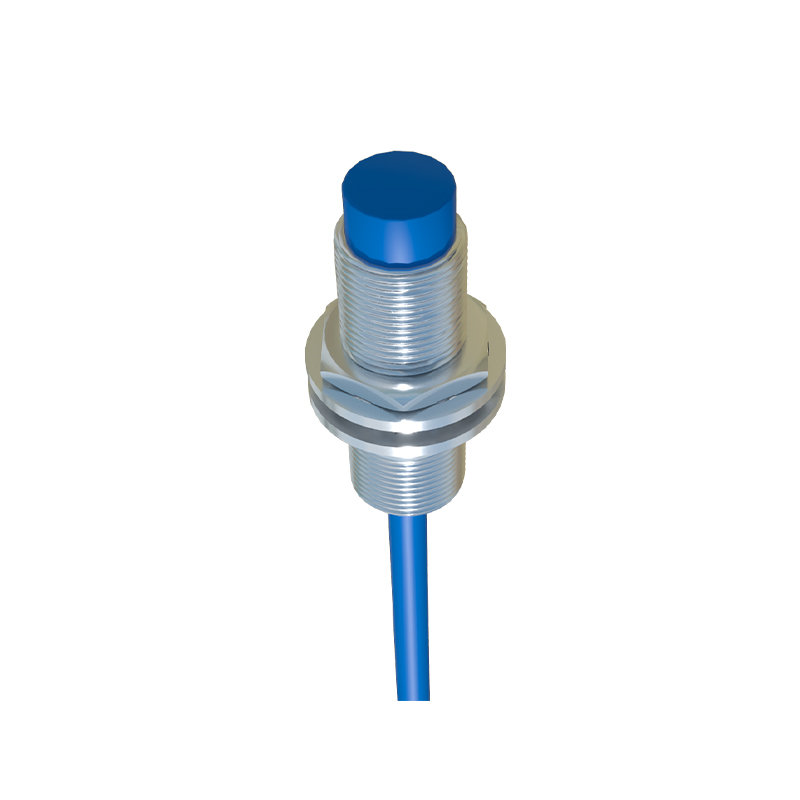
Infrared (IR) proximity sensors are ubiquitous in modern technology, serving critical functions in applications ranging from smartphone display management and touchless interfaces to industrial automation, robotics, and automotive safety systems. Their operation hinges on the emission of infrared light, typically from an LED, and the detection of its reflection from a nearby object. The core performance metrics—sensing range, accuracy, and signal-to-noise ratio—are fundamentally limited by optical losses. A significant portion of these losses occurs at the air-glass or air-plastic interfaces of the sensor's protective window or lens due to Fresnel reflection. This is where anti-reflective (AR) coating technology becomes a pivotal engineering solution for performance enhancement.
Fresnel reflection dictates that at each interface between materials with different refractive indices, a percentage of incident light is reflected. For a common sensor window material like polycarbonate (n≈1.58) or glass (n≈1.52), approximately 4-5% of the incoming IR light is reflected at each air-to-material surface. In a typical sensor assembly, IR light must pass through the protective window twice: once exiting the emitter and once entering the detector. This results in a potential combined transmission loss of up to 15-20% for the round-trip journey, severely curtailing effective range and forcing higher emitter drive currents to compensate, which in turn increases power consumption and heat generation.
The implementation of a precisely engineered AR coating mitigates this loss. An AR coating is a thin-film optical layer, or series of layers, deposited onto the substrate surface. Its primary function is to create destructive interference for reflected light waves while promoting constructive interference for transmitted waves within the target wavelength band. For IR proximity sensors, this band is typically centered around 850nm or 940nm, chosen to avoid interference from ambient visible light. A single-layer quarter-wave coating, using a material with a refractive index equal to the square root of the substrate's index, can minimize reflection at the design wavelength. More sophisticated multi-layer broadband AR coatings can achieve exceptionally low reflectance (often below 0.5%) across the entire operational spectrum of the sensor, accommodating slight variations in the IR LED's peak wavelength.
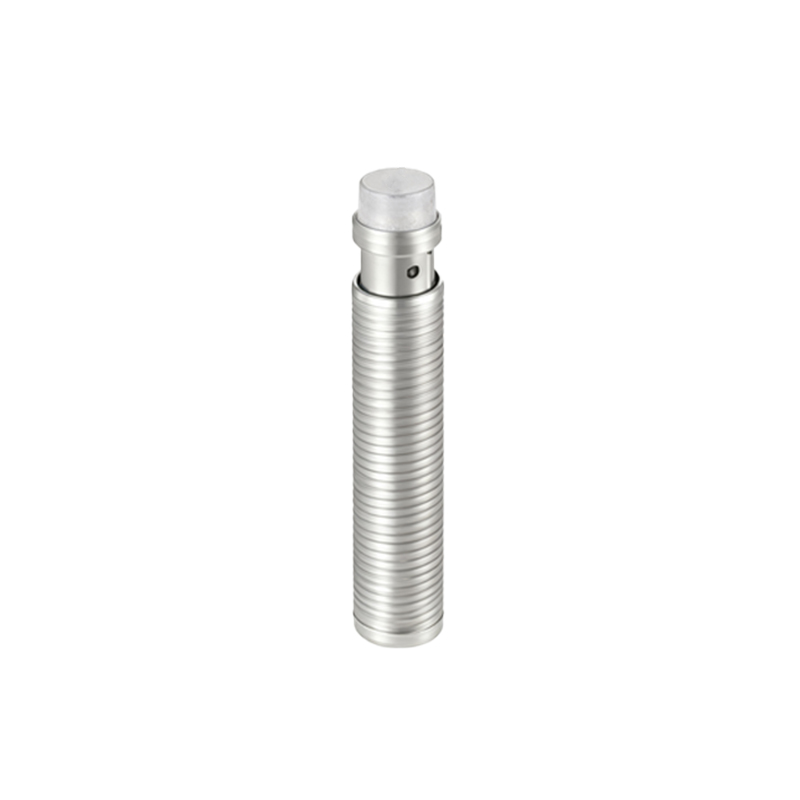
The benefits of integrating AR coatings into IR proximity sensor design are substantial and measurable. First and foremost is the increase in optical transmission. By reducing surface reflection losses from ~4% per surface to below 1%, the effective signal strength for a given emitter current can be improved by 20% or more. This translates directly into an extended sensing range or allows for the use of lower-power, more cost-effective emitter components to achieve the same range specification. Secondly, enhanced signal strength improves the signal-to-noise ratio (SNR). A stronger return signal stands out more clearly against environmental electrical noise and ambient IR noise (e.g., from sunlight or incandescent lamps), leading to more reliable object detection, fewer false triggers, and improved performance in challenging lighting conditions.
From a system design perspective, AR coatings enable greater flexibility. Engineers can specify sensors with longer ranges without increasing the physical size or power budget of the module. Alternatively, they can design for a specific range with significantly reduced power consumption, a critical advantage for battery-powered Internet of Things (IoT) devices and portable electronics. Furthermore, the use of AR coatings can allow for the selection of more durable substrate materials that may have less-than-ideal native optical properties, as the coating can correct for higher inherent reflectivity.
The selection and application of AR coatings require careful consideration. The coating material must exhibit excellent adhesion to the substrate (whether glass, polycarbonate, or other optical plastics) and possess long-term environmental durability, resisting abrasion, humidity, and chemical exposure. Deposition techniques such as physical vapor deposition (PVD) or plasma-enhanced chemical vapor deposition (PECVD) are commonly employed for high-quality, consistent results. The design must also account for the angle of incidence of the IR light, as sensor geometries often involve off-axis emission and detection.
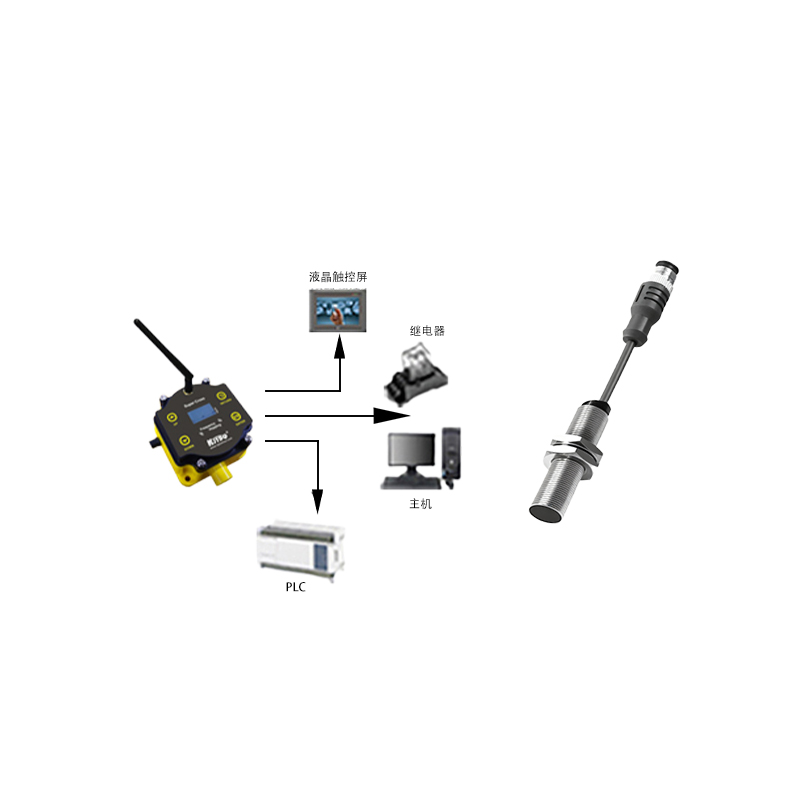
In conclusion, the integration of anti-reflective coatings is not merely an incremental improvement but a fundamental optical enhancement for infrared proximity sensors. By directly attacking the primary source of optical loss—Fresnel reflection—AR coating technology unlocks higher performance, greater efficiency, and enhanced reliability. As the demand for more sensitive, longer-range, and lower-power proximity sensing grows across consumer, industrial, and automotive sectors, the adoption of advanced thin-film AR solutions will continue to be a key differentiator in sensor design and a critical tool for electrical engineers aiming to optimize system-level performance.