In the field of industrial automation and control systems, proximity sensors play a crucial role in detecting the presence or absence of objects without physical contact. Among the various models available, the E2B series stands out as a widely recognized and utilized type. This article delves into the meaning of the E2B model in proximity sensors, exploring its specifications, applications, and significance in the electrical engineering industry.
The term "E2B" refers to a specific model series of inductive proximity sensors manufactured by Omron, a leading company in automation components. These sensors are designed to detect metallic objects, such as steel, aluminum, or copper, by generating an electromagnetic field. When a metal object enters this field, it induces eddy currents, causing a change in the sensor's oscillation amplitude. This change triggers an output signal, typically in the form of a switch or digital signal, which can be used to control machinery, monitor processes, or ensure safety in industrial environments.
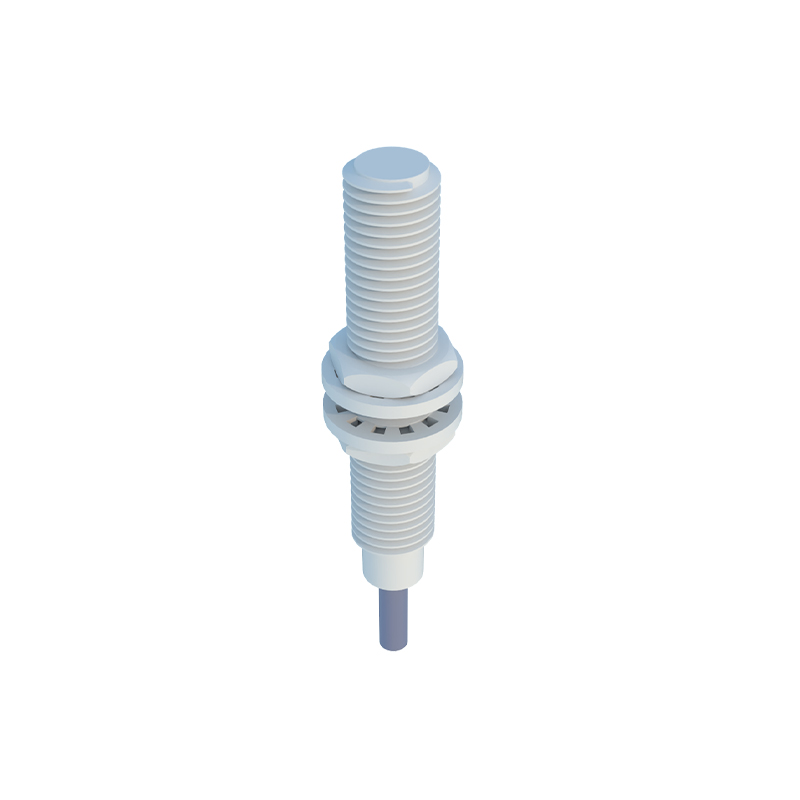
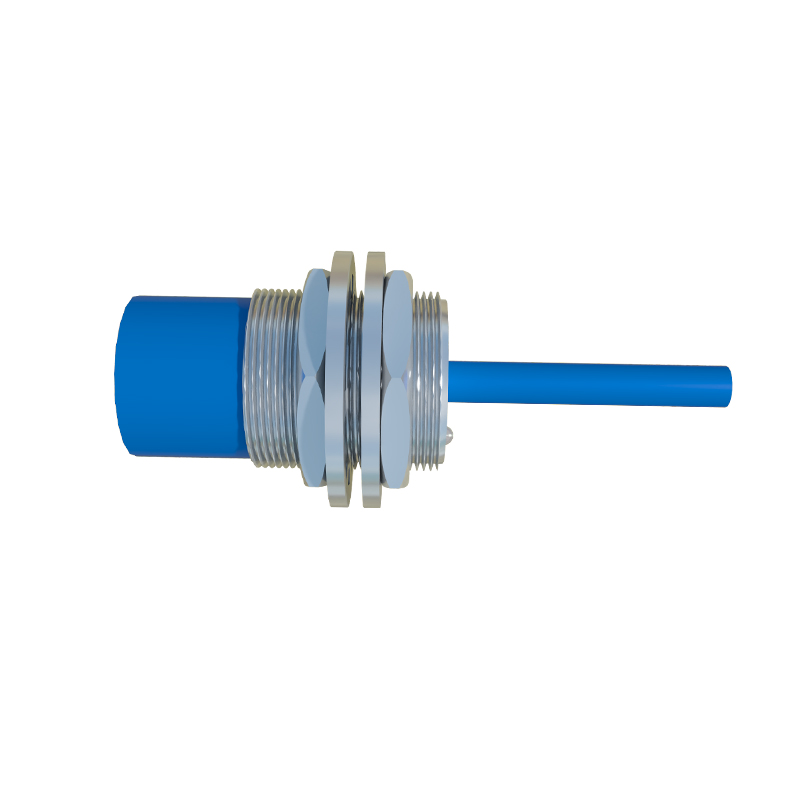
E2B proximity sensors are known for their robust construction and reliability. They are often housed in cylindrical metal or plastic casings, with standard diameters like 8mm, 12mm, or 18mm, making them suitable for various mounting configurations. The sensors operate on DC or AC power supplies, with voltage ranges commonly between 10-30V DC or 20-250V AC, depending on the specific variant. Key features include short-circuit protection, reverse polarity protection, and high resistance to environmental factors like dust, moisture, and vibration. This durability ensures long-term performance in harsh conditions, such as manufacturing plants, automotive assembly lines, and material handling systems.
One of the primary advantages of the E2B series is its versatility. These sensors come in different output types, including NPN (sinking) and PNP (sourcing) configurations, allowing compatibility with various PLCs (Programmable Logic Controllers) and control systems. Additionally, they offer multiple sensing distances, ranging from a few millimeters to several centimeters, enabling precise detection based on application requirements. For instance, in packaging machinery, E2B sensors can detect metal parts on conveyor belts to trigger sorting mechanisms, while in robotics, they ensure accurate positioning of arms and tools.
The naming convention "E2B" follows Omron's classification system, where "E" denotes the sensor series, "2" indicates the housing shape or size, and "B" represents specific electrical characteristics or enhancements. Over time, this model has become a benchmark in the industry, with many engineers and technicians referring to similar inductive sensors by this designation, even beyond Omron's product line. It symbolizes a standard for quality and performance, often used in training materials and technical documentation worldwide.
In practical applications, selecting an E2B proximity sensor involves considering factors like target material, sensing distance, environmental conditions, and electrical requirements. For example, in high-temperature environments, models with extended temperature ranges are preferred, while in areas with electromagnetic interference, shielded versions may be necessary. Regular maintenance, such as cleaning the sensing face and checking wiring connections, helps optimize sensor lifespan and accuracy.
Overall, the E2B model in proximity sensors represents a cornerstone of modern industrial automation. Its widespread adoption stems from a balance of technical excellence, adaptability, and cost-effectiveness. As industries continue to evolve with trends like Industry 4.0 and IoT integration, E2B sensors remain integral to smart manufacturing, providing reliable data for real-time monitoring and control. Understanding this model empowers electrical professionals to design efficient systems, troubleshoot issues, and innovate in automation solutions.