In the rapidly evolving landscape of industrial automation, circular laser welding sensors have emerged as a pivotal technology, driving unprecedented levels of accuracy, efficiency, and quality control in manufacturing processes. Unlike traditional linear or point-based sensing systems, these sensors utilize a circular or ring-shaped laser beam projection to monitor and control the welding environment in real-time. This innovative approach offers a comprehensive 360-degree field of view around the weld seam, enabling continuous, non-contact measurement of critical parameters such as joint tracking, weld pool geometry, penetration depth, and temperature distribution.
The core principle of a circular laser welding sensor involves projecting a concentric ring of laser light onto the workpiece surface. As the welding torch moves along the seam, the sensor's high-resolution camera or photodiode array captures the deformation and reflection pattern of this circular laser line. Sophisticated algorithms then analyze these optical signals to extract precise dimensional data. For instance, any deviation in the joint path causes a distortion in the circular pattern, which the system instantly detects and corrects by sending feedback to the robotic welder's motion controller. This closed-loop control is fundamental for applications with complex geometries or tight tolerances, such as in automotive body-in-white assembly, aerospace component fabrication, and precision tube welding.
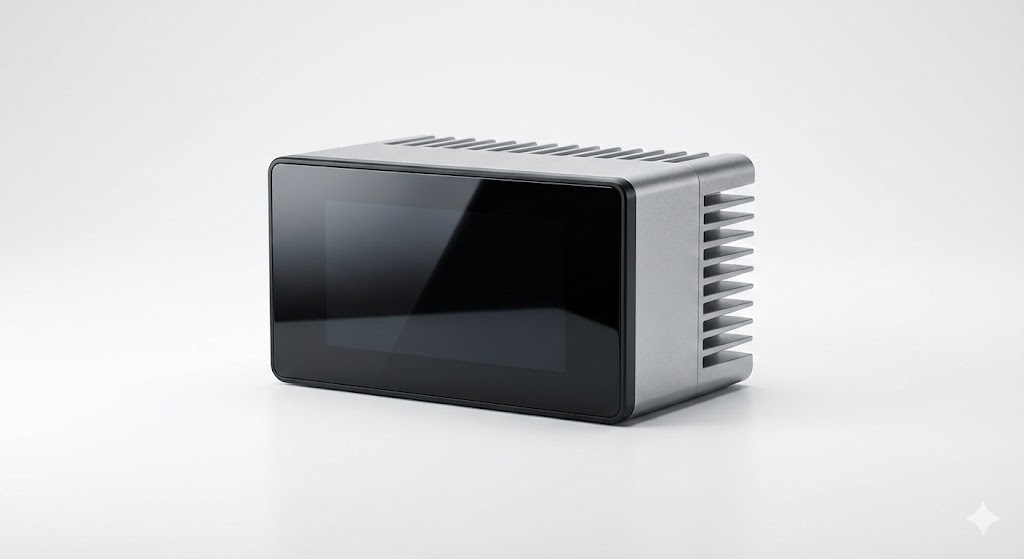
One of the most significant advantages of circular laser sensors is their robustness against common welding interferences. The welding arc emits intense light, spatter, and fumes that can easily blind conventional vision systems. Advanced circular sensors integrate narrow-band optical filters synchronized to the laser's wavelength and employ high dynamic range imaging. This design effectively suppresses the arc glare, allowing the sensor to "see through" the plasma and smoke to maintain a clear, stable image of the laser ring. Consequently, measurement reliability is vastly improved, minimizing false readings and production downtime.
Furthermore, the ability to measure in multiple axes simultaneously provides a holistic view of the weld quality. By analyzing the width and shape of the reflected laser circle, the sensor can calculate the gap between parts, misalignment, and even predict potential defects like undercut or lack of fusion before they occur. This proactive quality assurance shifts the paradigm from post-weld inspection to in-process verification, saving substantial material costs and rework time. In high-volume production lines, this capability is invaluable for maintaining consistent quality standards and traceability.
Integration of these sensors with Industry 4.0 frameworks is another key trend. Modern circular laser welding sensors are equipped with Ethernet/IP, PROFINET, or other industrial communication protocols, facilitating seamless data exchange with central manufacturing execution systems (MES) or cloud platforms. The real-time process data—weld seam coordinates, thermal profiles, deviation logs—can be aggregated for big data analytics, enabling predictive maintenance of welding equipment and continuous optimization of welding parameters. This data-driven approach empowers engineers to refine welding procedures, reduce energy consumption, and enhance overall equipment effectiveness (OEE).
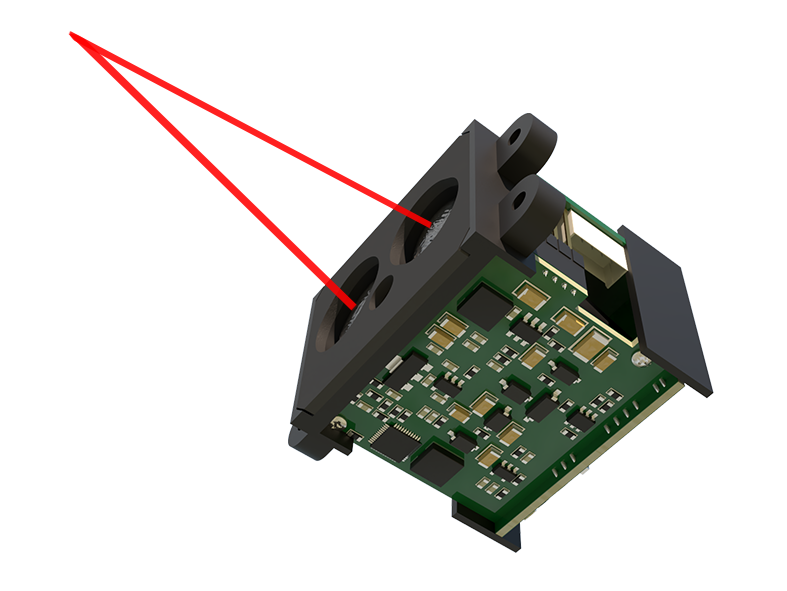
Despite their advanced capabilities, successful implementation requires careful consideration. Factors such as sensor mounting position relative to the torch, selection of laser power and wavelength suitable for the material (e.g., steel, aluminum, or copper), and calibration for specific joint types are crucial for optimal performance. Manufacturers like Fanuc, Keyence, and Sick offer tailored solutions with user-friendly software for setup and monitoring, lowering the barrier to adoption.
In conclusion, circular laser welding sensors represent a transformative tool in precision manufacturing. By delivering robust, multi-dimensional, and real-time metrology directly at the welding arc, they address longstanding challenges in automation, quality control, and process stability. As industries push towards smarter, more flexible production lines, the role of such intelligent sensing technologies will only become more central, ensuring that laser welding processes are not only faster but also smarter and more reliable than ever before.
