In the realm of industrial automation, capacitive proximity sensors stand as versatile and reliable components for detecting a wide range of objects, from metals and plastics to liquids and granular materials. While standard off-the-shelf sensors serve many applications effectively, the increasing complexity and specificity of modern manufacturing, packaging, and process control systems often demand a higher degree of customization. Custom capacitive proximity sensor solutions are engineered to overcome the limitations of standard models, providing precise, reliable, and cost-effective detection in challenging or unique operational environments.
The primary motivation for customization stems from application-specific requirements that standard sensors cannot adequately address. These may include extreme environmental conditions, unconventional target materials, stringent hygiene standards, space constraints, or the need for unique electrical outputs and housing designs. For instance, in the food and beverage or pharmaceutical industries, sensors often require stainless steel housings with specific surface finishes, specialized sealing to withstand high-pressure washdowns, and certifications for cleanroom or hygienic zones. In agricultural or chemical processing, sensors might need enhanced resistance to corrosive substances, dust, or moisture ingress beyond standard IP ratings.
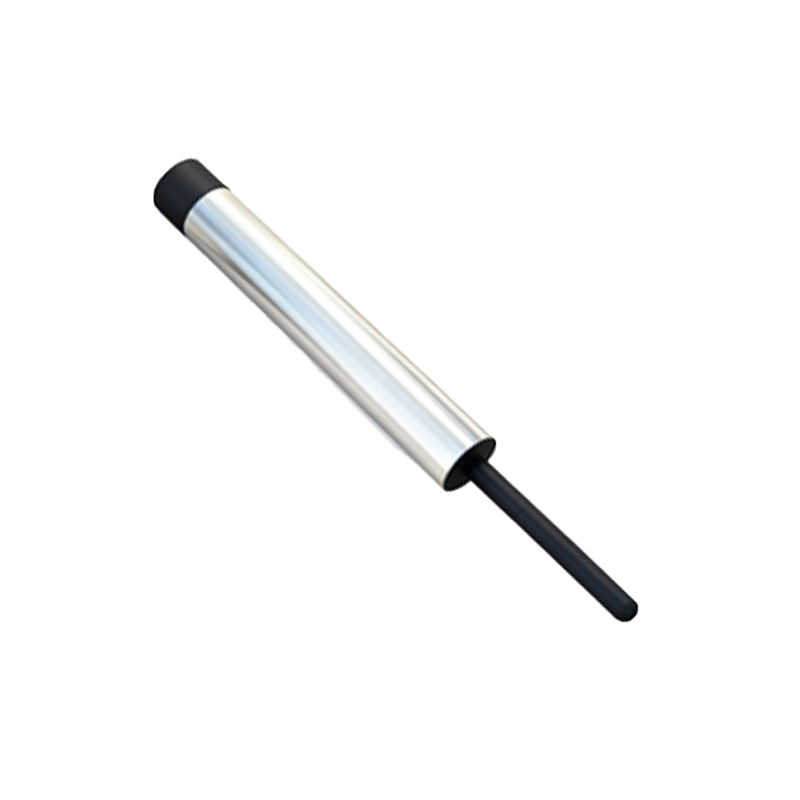
The customization process typically begins with a thorough analysis of the application parameters. Key factors considered include the nature of the target material (its dielectric constant), the required sensing distance, the operating temperature range, the supply voltage, and the output type (e.g., NPN, PNP, analog, IO-Link). The physical installation environment dictates the sensor's housing shape, size, and material. Cylindrical, rectangular, or ring-shaped housings can be designed to fit into tight spaces or around specific machinery components. The sensing face can also be customized; a larger face may be needed for detecting low-dielectric materials, or a specially shaped face might be required to focus the sensing field.
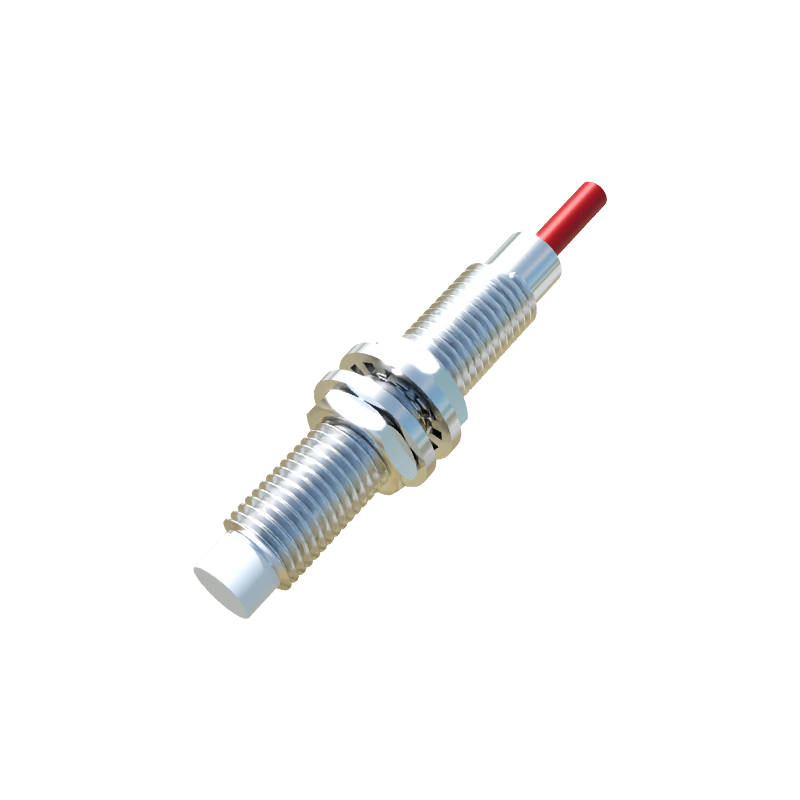
Electrical characteristics are another critical area for tailoring. Custom sensing ranges can be calibrated to ignore background materials or to detect very thin films or specific liquid levels. The response time and switching frequency can be optimized for high-speed production lines. Furthermore, integrating advanced functionalities like temperature compensation, teach-in capabilities for adjustable sensitivity, or short-circuit and overload protection enhances reliability and ease of use. For Industry 4.0 integration, sensors can be customized with digital communication protocols like IO-Link, which provides detailed diagnostic data, parameter setting, and process value reporting, enabling predictive maintenance and smarter process control.
Collaboration between the client's engineering team and the sensor manufacturer's application specialists is crucial throughout the development cycle. Prototyping and rigorous testing under simulated real-world conditions ensure the custom design meets all performance and durability specifications. While the lead time and initial cost for a custom sensor may be higher than for a standard unit, the long-term benefits often justify the investment. These benefits include reduced false triggers, minimized downtime, increased system efficiency, and the ability to enable automation in previously untenable situations, leading to a significant return on investment.
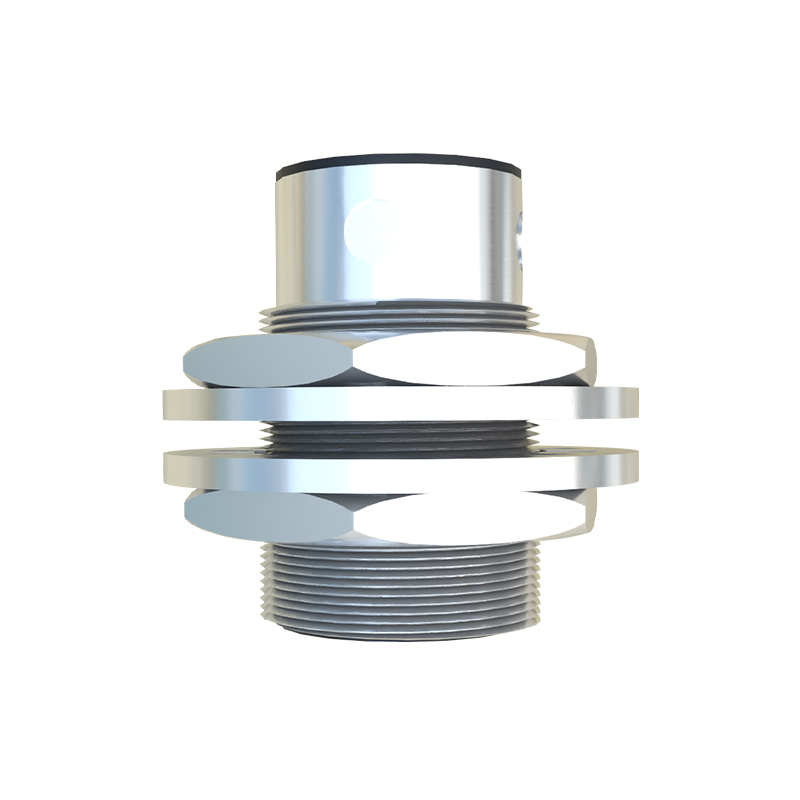
Ultimately, custom capacitive proximity sensors represent a convergence of fundamental sensing principles with tailored engineering. They provide a strategic tool for OEMs and system integrators to build more robust, efficient, and innovative automated systems. By moving beyond the constraints of standard catalog items, businesses can solve unique detection challenges, gain a competitive edge, and push the boundaries of what is possible in industrial automation.