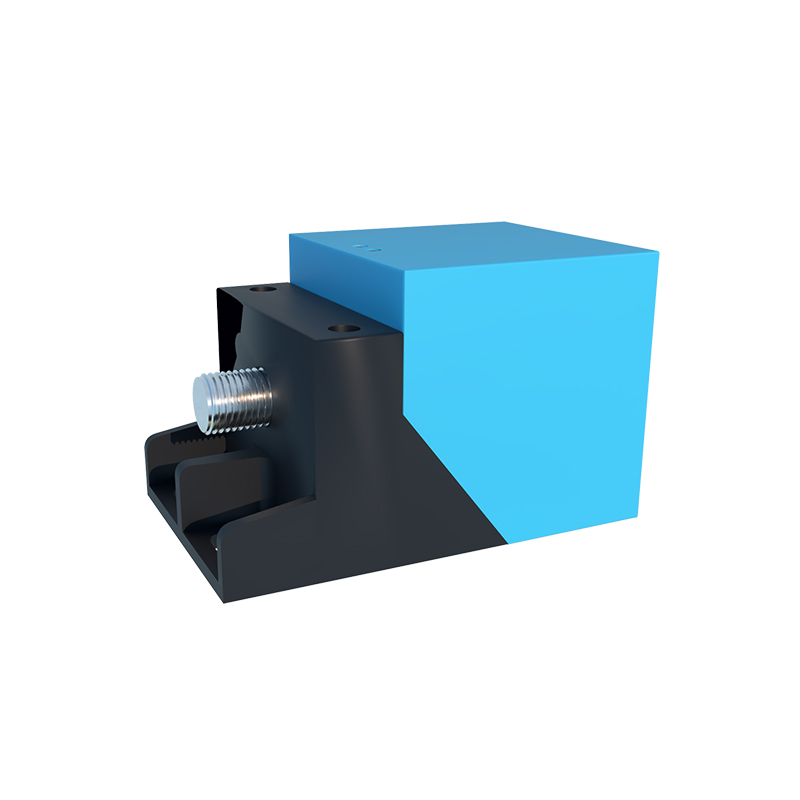
In industrial automation and control systems, proximity sensors are critical components designed to detect the presence or absence of objects within a specified range without physical contact. These sensors, including inductive, capacitive, and ultrasonic types, rely on precise distance calibration to function optimally. However, when a proximity sensor is positioned too close to its target, several adverse effects can occur, compromising system performance and safety.
Firstly, excessive proximity can lead to false triggering or continuous activation. Proximity sensors operate based on electromagnetic fields or acoustic waves; if the target is too near, the sensor may remain in a perpetually activated state, even when the object moves slightly. This results in erroneous signals being sent to the control unit, causing machinery to malfunction. For instance, in conveyor belt systems, such errors can disrupt sorting processes or lead to unintended stoppages, reducing operational efficiency.
Secondly, sensor saturation is a common issue. When a target is too close, the sensor's receiving element may become overwhelmed by the reflected signal, leading to a loss of sensitivity. This saturation effect prevents the sensor from accurately detecting variations in distance, making it unreliable for applications requiring precise positioning, such as robotic assembly lines. In capacitive sensors, excessive proximity can also cause interference from unintended materials, like dust or moisture, further degrading accuracy.
Thirdly, physical damage risks increase. Proximity sensors are typically housed in durable casings, but extreme closeness to moving parts can result in collisions or abrasion. For example, in machining centers, a sensor placed too near a rotating tool may suffer from wear or impact, shortening its lifespan. Additionally, heat generated by nearby equipment can affect sensor components, especially in high-temperature environments, leading to thermal drift and calibration errors.
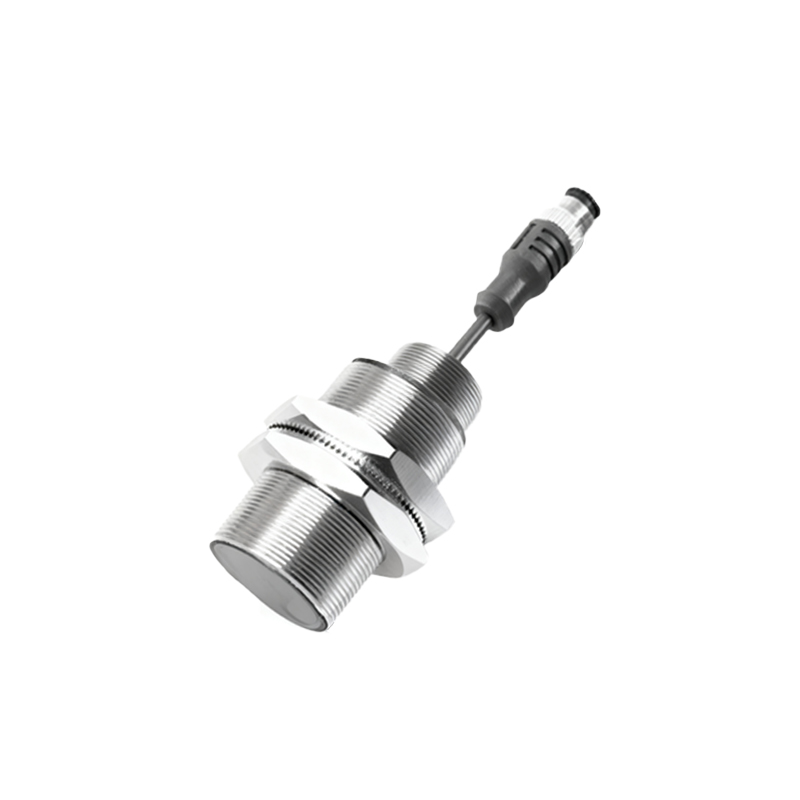
Fourthly, electrical interference may arise. Inductive sensors, which use magnetic fields, can experience coupling issues when too close to metallic objects or other sensors. This can induce electromagnetic interference (EMI), causing signal noise or cross-talk between devices. In complex setups with multiple sensors, such interference can propagate through control networks, resulting in system-wide instability or data corruption.
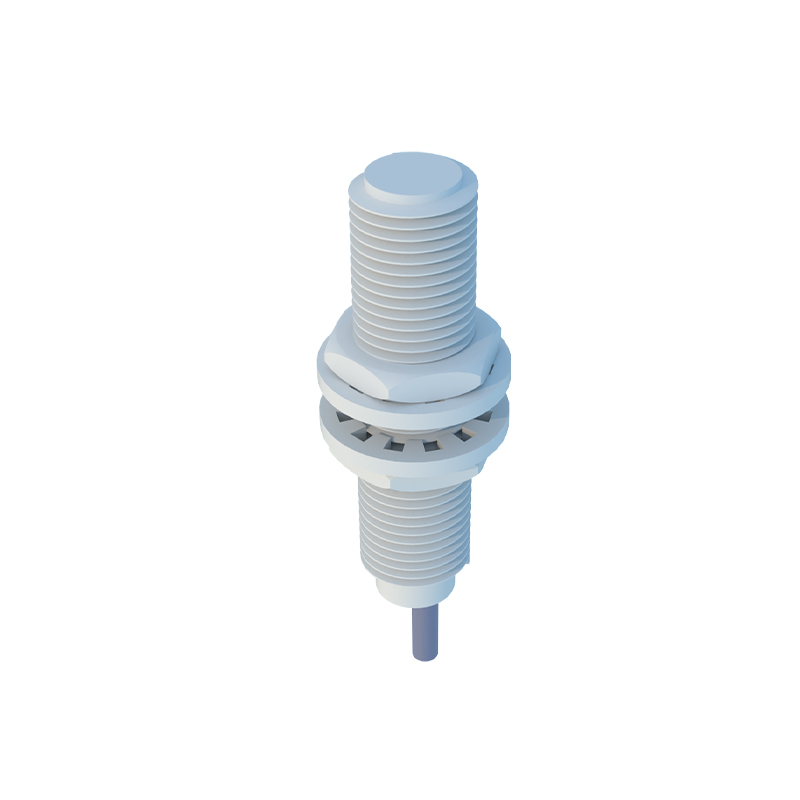
To mitigate these issues, proper installation and calibration are essential. Manufacturers specify optimal sensing distances, often referred to as the "nominal range," which should be adhered to during setup. Regular maintenance, including distance verification and environmental checks, helps prevent problems. In applications where targets vary in size or material, using sensors with adjustable sensitivity or redundant systems can enhance reliability.
In summary, while proximity sensors are designed for close-range detection, exceeding recommended distances can lead to false triggers, saturation, physical damage, and electrical interference. By following best practices in installation and upkeep, engineers can ensure these sensors operate efficiently, supporting safe and productive industrial automation.