In the dynamic landscape of industrial automation, precision, speed, and reliability are non-negotiable. Traditional color detection methods, often reliant on broadband LED light sources and slower processing units, are increasingly struggling to meet the demands of modern high-speed production lines. Enter the laser-based high-speed color sensor—a sophisticated technological leap that is redefining the boundaries of non-contact inspection, sorting, and quality assurance across diverse sectors.
At its core, a high-speed laser color sensor operates on the principle of spectroscopic analysis. Unlike conventional sensors that use white light, these advanced devices employ a focused laser beam, typically in the visible spectrum, to illuminate the target. The reflected light is then captured by a high-speed photodetector and diffracted through a precision grating. The resulting spectrum is analyzed in real-time by an onboard spectrometer or a high-performance processor. This allows the sensor to discern not just primary colors but subtle shades, hues, and even material composition based on spectral fingerprints, with exceptional accuracy.
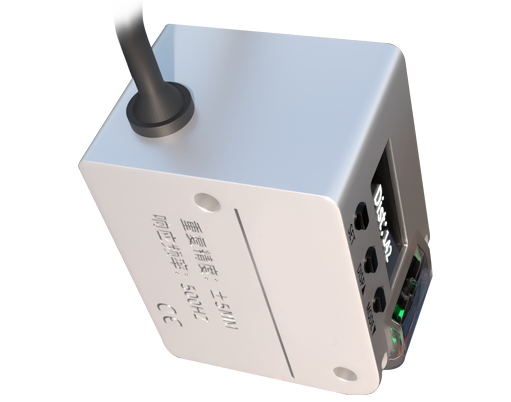
The defining advantage of this technology is its unparalleled speed. Laser illumination provides a coherent, intense light source that enables extremely short measurement times—often in the microsecond range. This allows for reliable inspection of objects moving at very high velocities on conveyor belts, such as in packaging, pharmaceutical blister packs, or electronic component manufacturing. The high signal-to-noise ratio of the laser source ensures consistent readings even in challenging environments with ambient light interference, a common pitfall for LED-based sensors.
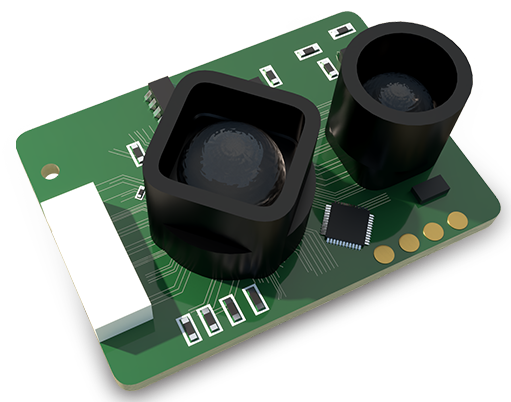
Furthermore, the focused laser spot enables precise, localized measurement. This is critical for applications like verifying color codes on tiny electronic components, inspecting printed labels or embossed text for correctness, and detecting contaminants in food processing where only a specific area needs analysis. The small spot size minimizes the impact of background colors or surface textures, leading to fewer false rejections.
The integration of these sensors into Industry 4.0 frameworks is seamless. Equipped with industrial communication protocols like EtherCAT, PROFINET, or IO-Link, they transmit rich spectral data and pass/fail results directly to PLCs or central control systems. This facilitates real-time process adjustment, predictive maintenance, and comprehensive data logging for traceability. For instance, in automotive painting shops, laser color sensors can continuously monitor paint hue and gloss on every vehicle body, ensuring absolute color consistency and instantly flagging any deviation from the standard.
Applications are vast and growing. In the textile industry, they ensure dye lot consistency. In recycling plants, they enable high-speed sorting of plastics by polymer type and color. In printing, they verify color registration and ink density at press speeds. The food and beverage sector uses them to sort fruits by ripeness (based on color spectrum) or to check label and cap color correctness on filling lines.
However, deploying this technology requires careful consideration. The higher initial investment compared to standard color sensors must be justified by the application's need for speed and precision. The choice of laser wavelength is crucial, as it affects how different materials reflect light. Integration expertise is needed to align the sensor correctly, calibrate it for specific color standards (using CIE L*a*b* or other color spaces), and develop robust inspection algorithms.
In conclusion, high-speed laser color sensors represent a significant evolution in optical sensing. By combining the precision of laser spectroscopy with the processing power of modern electronics, they deliver a level of performance that is essential for next-generation manufacturing. As production lines become faster and quality tolerances tighter, these sensors will transition from a specialized tool to a mainstream component, driving efficiency, reducing waste, and ensuring unparalleled product quality in an increasingly competitive global market. Their role in enabling adaptive, data-driven manufacturing makes them a cornerstone technology for the smart factories of today and tomorrow.