In the competitive landscape of industrial automation and electrical systems, square proximity sensors have become indispensable components. Their robust design, reliable non-contact detection, and versatility in harsh environments make them a preferred choice for countless applications, from packaging machinery to automotive assembly lines. A critical factor for procurement specialists, engineers, and business owners is understanding the determinants of the factory price for these sensors. This analysis delves into the key elements that shape the cost structure, providing a clear perspective for making informed purchasing decisions.
The factory price, or ex-works price, is the baseline cost before adding logistics, tariffs, and distributor markups. For square proximity sensors, this price is not a single figure but a spectrum influenced by a complex interplay of technical specifications, manufacturing processes, and market dynamics. At its core, the price is heavily dictated by the sensing technology employed. Inductive sensors, detecting metallic objects, are generally the most cost-effective due to mature, high-volume production. Capacitive sensors, capable of sensing both metallic and non-metallic materials, often command a higher price due to more complex circuitry required for stability and sensitivity adjustment. Ultrasonic and photoelectric square sensors, with their advanced components for sound wave or light beam generation and reception, typically reside at the premium end of the price scale.
Beyond the core technology, performance specifications directly correlate with cost. Sensing range is a primary driver; a sensor with a 15mm range is fundamentally less expensive to produce than one with a 40mm range, which requires more powerful coils or optimized oscillator circuits. The type of output (e.g., NPN vs. PNP, NO vs. NC) has a marginal impact, but output configuration (2-wire, 3-wire, or 4-wire with analog or IO-Link capabilities) significantly affects the price. Advanced models featuring IO-Link communication for diagnostics and parameter setting incorporate additional microelectronics, pushing the factory price upward. Similarly, housing material is crucial. Standard sensors with PBT or PA plastic housings are economical. However, models designed for extreme environments—featuring stainless steel housings (V4A/AISI 316L), enhanced chemical resistance, or specialized sealing for high-pressure washdown (IP67, IP69K)—incur higher material and machining costs.
Manufacturing scale and brand equity are equally powerful price determinants. Large-scale manufacturers with automated, vertically integrated production lines achieve economies of scale, allowing for competitive pricing while maintaining quality. These established brands also invest heavily in research and development, rigorous testing, and global certification (e.g., UL, CE, ATEX), which is factored into the price, offering assurance of reliability and longevity. Conversely, generic or lesser-known brands may offer lower factory prices by minimizing R&D overhead, using standard components, and potentially compromising on consistency testing. This can be a viable option for non-critical applications but may entail risks regarding long-term performance and supply chain stability.
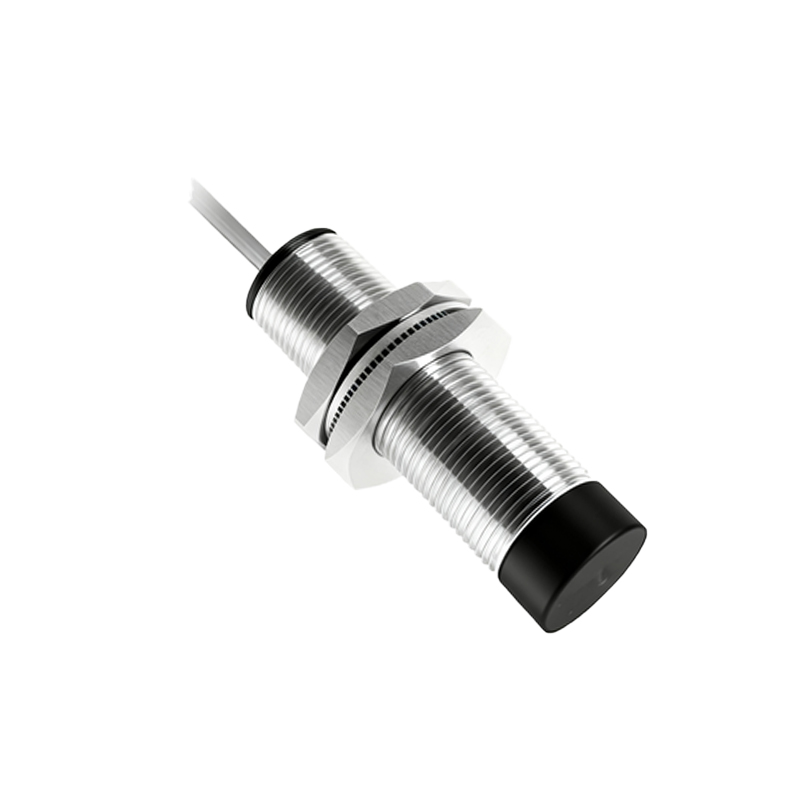
Additional features that enhance functionality or ease of use also contribute to the cost. Sensors with built-in LED indicators for status, teach-in functionality for easy range adjustment, short-circuit and overload protection, and extended temperature tolerance (-25°C to 70°C+) incorporate more sophisticated electronics and design considerations. The choice of connector type (integrated cable, quick-disconnect M8/M12) also influences the final ex-works price, with quick-disconnect versions offering convenience at a slight premium.
Market forces and raw material costs create a dynamic pricing environment. Fluctuations in the prices of copper, rare-earth elements for magnets, semiconductors, and plastics directly impact the bill of materials. Furthermore, regional manufacturing hubs, such as those in Europe, North America, or Asia, have differing labor, regulatory, and logistical costs, which are reflected in the factory gate price. Global demand spikes in specific sectors like electric vehicle manufacturing or renewable energy can also temporarily influence availability and price.
In conclusion, the factory price of a square proximity sensor is a direct reflection of its technological sophistication, performance envelope, build quality, and brand value. A sensor priced at the lower end of the spectrum likely serves a standard inductive application with moderate range and basic housing. A higher-priced model justifies its cost through extended range, advanced materials like stainless steel, smart communication protocols, or certifications for explosive atmospheres. For procurement professionals, the most strategic approach involves a total cost of ownership analysis, balancing the initial factory price against expected lifespan, maintenance needs, and the criticality of the application to ensure optimal value and operational reliability in the long term.