In the intricate world of industrial automation, proximity sensors stand as silent sentinels, enabling precise, non-contact detection of objects. Their reliability directly impacts system efficiency, safety, and uptime. Consequently, selecting the right manufacturer is a critical decision for engineers and system integrators. This article delves into the landscape of leading proximity sensor production brands, examining their core technologies, product specializations, and industry standing.
A dominant force in the field is Sick AG. Headquartered in Germany, Sick is synonymous with high-precision sensor technology. Their portfolio of inductive, capacitive, and magnetic proximity sensors is renowned for robust construction, exceptional repeat accuracy, and advanced diagnostic capabilities. Sick sensors are frequently specified in demanding applications within automotive manufacturing, packaging, and material handling, where their resilience in harsh environments is paramount. The brand's commitment to innovation is evident in its development of sensors with IO-Link communication, facilitating predictive maintenance and seamless integration into Industry 4.0 frameworks.
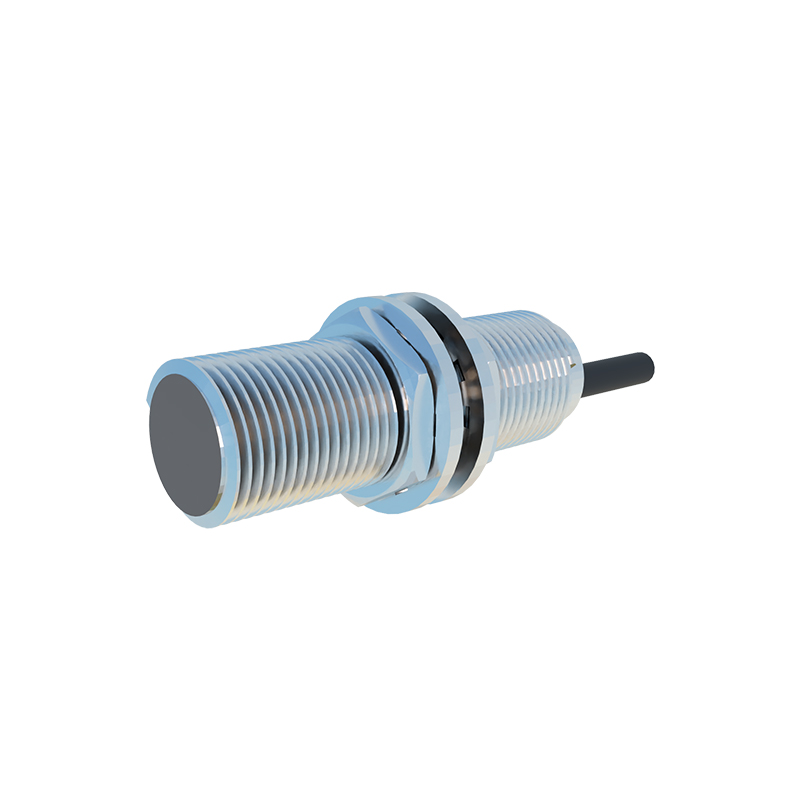
Another European powerhouse, Pepperl+Fuchs, has shaped the industry for decades. This German company offers an exceptionally comprehensive range, including standard cylindrical and rectangular housings, as well as specialized variants for washdown, welding, and high-temperature applications. Pepperl+Fuchs excels in providing complete solutions, from the sensor itself to associated cabling and junction boxes, simplifying system design. Their expertise in intrinsic safety (IS) barriers and sensors makes them a preferred choice in hazardous areas like oil & gas and chemical processing.
From Japan, Omron Corporation brings a legacy of reliability and miniaturization. Omron's proximity sensors are prized for their consistent performance and long operational life. The brand has been a pioneer in developing ultra-compact sensors, enabling their integration into space-constrained machinery and consumer electronics assembly lines. Omron also emphasizes user-friendly features, such as visible LED status indicators and easy mounting options, which reduce installation time and potential errors.
Balluff GmbH, a German family-owned enterprise, is celebrated for its engineering excellence and customer-centric approach. Balluff's proximity sensor lineup is characterized by high switching frequencies and exceptional resistance to electrical interference. They offer a vast array of form factors, including innovative designs like ring sensors and slot sensors for unique detection tasks. A significant strength lies in their RFID systems and industrial networking expertise, allowing their sensors to act as intelligent data points within connected production systems.
The American contender, Rockwell Automation (Allen-Bradley), provides sensors deeply integrated into its broader ecosystem of controllers, drives, and software. For facilities standardized on Rockwell's architecture, their proximity sensors, including the popular Allen-Bradley 871TM series, offer guaranteed compatibility and simplified commissioning through unified software tools. This synergy reduces total cost of ownership and troubleshooting complexity, making them a strategic choice for large-scale industrial plants in North America.
IFM Electronic, another German leader, focuses on creating "smarter" sensors. IFM embeds significant intelligence into its devices, offering models with condition monitoring functions that can detect issues like sensor overload, switch point drift, or coil problems. This proactive diagnostic capability helps prevent unplanned downtime. IFM's product range is vast and easily configurable, supported by a strong global distribution network, ensuring broad availability and technical support.
Emerging trends are also shaping the offerings of these established brands. The integration of IO-Link is becoming standard, transforming simple binary sensors into rich sources of process data. There is a growing demand for sensors made from stainless steel or with specialized coatings for corrosive or hygienic environments, such as food & beverage and pharmaceutical production. Furthermore, manufacturers are continually pushing the limits of sensing ranges and developing sensors immune to the effects of different target materials.
In conclusion, the market for proximity sensors is driven by technologically advanced manufacturers, each with distinct strengths. Sick and Pepperl+Fuchs represent the pinnacle of rugged, high-performance European engineering. Omron leads in compact, reliable design, while Balluff excels in customization and connectivity. Rockwell Automation offers unparalleled system integration, and IFM pioneers predictive maintenance features. The optimal brand selection hinges on a careful analysis of the specific application requirements—environmental conditions, required sensing distance, target material, output type, and connectivity needs—within the context of the existing automation infrastructure. Partnering with a reputable manufacturer ensures not just a component, but a foundation for reliable and efficient machine operation.