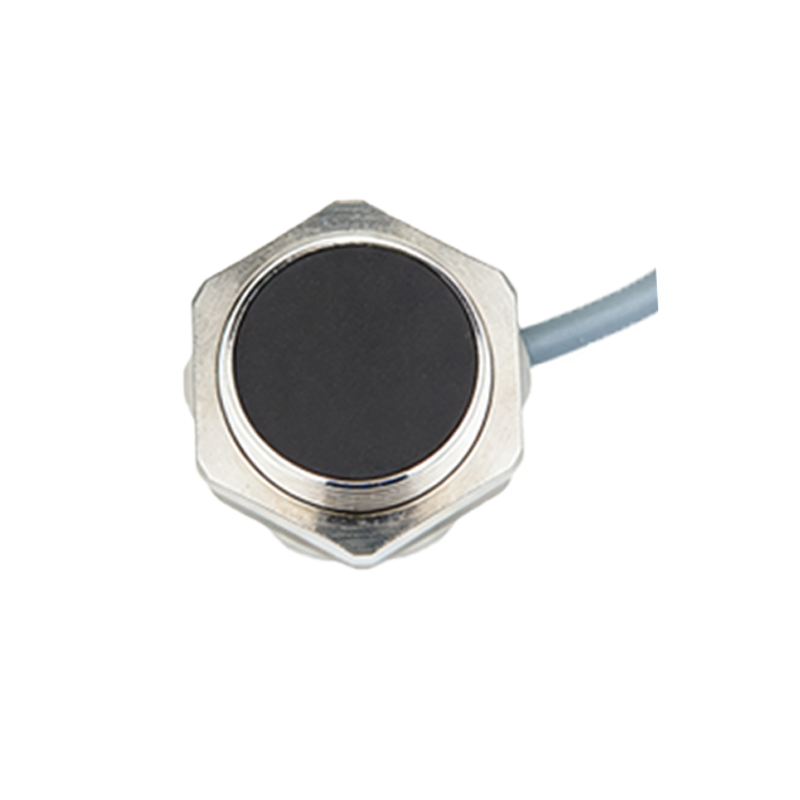
Proximity sensors are indispensable components in modern industrial automation, offering non-contact detection of metallic and non-metallic objects. Among the various form factors available, the 50mm long proximity sensor stands out for its versatility and reliability in diverse applications. This article delves into the technical specifications, operational principles, and practical uses of these sensors, providing insights for engineers and technicians in the electrical and automation sectors.
The 50mm length is a common standard in proximity sensor design, balancing compactness with robust performance. Typically cylindrical in shape, these sensors are constructed from durable materials such as stainless steel or nickel-plated brass, ensuring resistance to harsh industrial environments including moisture, dust, and mechanical stress. The sensing range varies depending on the technology employed—inductive sensors detect ferrous metals up to 15mm, while capacitive models can sense non-metallic materials like plastics or liquids at shorter distances. Key electrical specifications often include operating voltages from 10-30V DC or 90-250V AC, with output configurations such as PNP, NPN, or analog signals (4-20mA, 0-10V). Response times are typically under 1ms, enabling high-speed detection in fast-paced production lines.
Operational principles hinge on electromagnetic or electrostatic fields. Inductive proximity sensors generate an oscillating magnetic field; when a metallic object enters this field, eddy currents are induced, dampening the oscillation and triggering a switch signal. Capacitive sensors, by contrast, measure changes in capacitance caused by the presence of any material altering the dielectric constant. The 50mm housing accommodates necessary electronics while allowing easy integration into machinery via threaded mounts (e.g., M12, M18, or M30 sizes). Many models feature LED indicators for status monitoring and short-circuit protection to enhance longevity.
In industrial settings, 50mm proximity sensors excel in numerous applications. They are widely used for position sensing in conveyor systems, detecting the presence of components on assembly lines, or ensuring proper alignment in robotic arms. In packaging machinery, these sensors verify lid placement or count products without physical contact, reducing wear and tear. Automotive manufacturing relies on them for part verification and safety interlocks, while food processing plants utilize stainless-steel variants for hygienic, washdown environments. Their robustness also makes them suitable for outdoor use in material handling equipment.
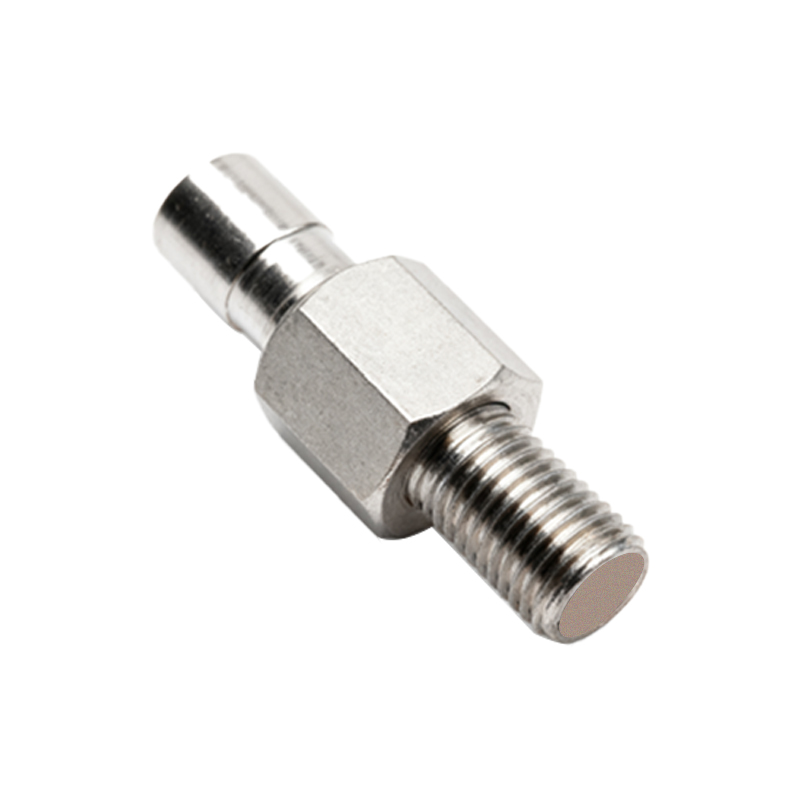
Installation and maintenance are straightforward but require attention to detail. Engineers should ensure adequate clearance around the sensor to avoid interference from adjacent metal surfaces. Regular calibration checks are recommended, especially in environments with temperature fluctuations or vibration. When selecting a 50mm proximity sensor, factors like sensing distance, output type, and environmental ratings (IP67 or higher for dust/water resistance) must align with application needs. Leading manufacturers offer models with enhanced features such as temperature compensation or IO-Link connectivity for Industry 4.0 integration.
In summary, the 50mm long proximity sensor is a workhorse in industrial automation, combining compact design with precise detection capabilities. Its adaptability across sectors—from manufacturing to logistics—underscores its value in optimizing efficiency and safety. As technology advances, these sensors continue to evolve, incorporating smart diagnostics and wireless capabilities to meet future challenges. For engineers, understanding their specifications and applications is key to leveraging their full potential in automated systems.