In the fast-paced world of industrial automation, laser sensors play a critical role in ensuring precision, efficiency, and safety. These sophisticated devices are integral to processes ranging from object detection and distance measurement to quality control and alignment. However, like all high-precision electronic equipment, laser sensors are susceptible to wear, calibration drift, environmental damage, and component failure. When a sensor malfunctions, it can lead to costly production downtime, quality issues, and safety hazards. This is where a specialized laser sensor repair company becomes an invaluable partner for maintenance managers and plant engineers.
A professional laser sensor repair service offers far more than simple component replacement. It begins with a comprehensive diagnostic assessment. Skilled technicians utilize advanced calibration equipment and software tools to pinpoint the exact cause of the failure. Common issues include degraded laser diodes, faulty receiver optics, misaligned internal components, power supply problems, or communication interface errors. The diagnostic phase is crucial, as it determines the most effective and cost-efficient repair strategy, distinguishing between a need for recalibration, a specific part replacement, or a more extensive overhaul.
The core of expert repair lies in precision recalibration and alignment. Laser sensors operate on exact optical and electronic parameters. After any repair, the sensor must be returned to its original factory specifications or the specific requirements of the application. This process involves using traceable standards in a controlled environment to adjust the sensor's output, ensuring its accuracy and repeatability meet the manufacturer's data sheet. Technicians with deep knowledge of various brands—such as Keyence, Banner, SICK, Omron, and Panasonic—understand the proprietary nuances of each system.
Beyond fixing immediate problems, a reputable repair company provides significant economic and operational advantages. The primary benefit is cost savings. Professional repair typically costs 30% to 70% less than purchasing a new equivalent sensor. This extends the lifecycle of capital equipment and protects your investment. Secondly, turnaround time is often dramatically faster—sometimes within 24 to 72 hours for standard repairs—compared to the lead time for ordering new units, especially for obsolete or specialized models. This minimizes production interruptions.
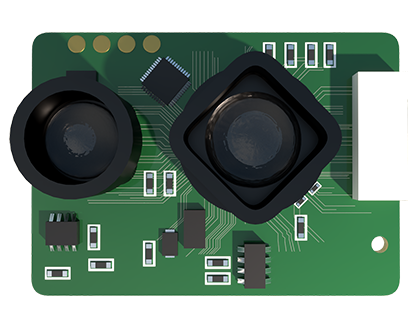
Furthermore, a quality repair service includes rigorous testing and a performance warranty. Repaired sensors should undergo functional testing that simulates real-world operating conditions to verify reliability. A warranty on parts and labor provides peace of mind and demonstrates the repair center's confidence in its work. Many companies also offer emergency on-site service or loaner units for critical applications, ensuring continuous operation.
Choosing the right repair partner is essential. Look for a service provider with certified technicians, ISO-compliant processes, and experience with your specific sensor models and industrial sectors. They should offer transparent pricing, detailed diagnostic reports, and clear communication. A true partner will also offer advice on preventive maintenance, such as proper cleaning procedures and environmental protection, to help avoid future failures.

In conclusion, partnering with a specialized laser sensor repair company is a strategic decision for any industrial operation reliant on automation. It ensures precision is restored, downtime is minimized, and costs are controlled. By entrusting critical sensor maintenance to experts, companies can maintain peak operational efficiency, safeguard their automation investments, and focus on their core production goals without the disruption of sensor failure.