Proximity switch sensors are indispensable components in modern industrial automation, providing non-contact detection of metallic and non-metallic objects with high precision and reliability. These sensors operate by generating an electromagnetic field or beam, detecting changes when a target enters their sensing range, and outputting a corresponding electrical signal. Their robust design allows them to thrive in harsh environments where mechanical switches would fail, making them ideal for diverse field applications across manufacturing, automotive, packaging, and material handling industries.
In automotive assembly lines, inductive proximity sensors are extensively used for position sensing and part verification. They detect the presence of engine blocks, transmission components, or body panels without physical contact, ensuring precise alignment during robotic welding and assembly processes. Their immunity to oil, coolant, and vibration guarantees consistent performance, reducing downtime and maintenance costs. For instance, in stamping operations, sensors monitor the feed of metal sheets, preventing jams and ensuring smooth workflow.
Packaging machinery relies heavily on capacitive and photoelectric proximity sensors to handle materials like glass, plastic, and cardboard. Capacitive sensors detect liquid levels in containers or the presence of non-metallic products, while photoelectric sensors manage counting, sorting, and labeling tasks on high-speed conveyor belts. Their fast response times—often in milliseconds—enable real-time adjustments, minimizing waste and enhancing production efficiency. In food and beverage plants, sealed sensors withstand washdowns and temperature fluctuations, maintaining hygiene standards without compromising functionality.
Material handling systems, including automated guided vehicles (AGVs) and warehouse robotics, utilize proximity switches for obstacle detection and navigation. Ultrasonic sensors, a subtype of proximity devices, measure distances to pallets or racks, facilitating accurate loading and unloading. In metalworking, inductive sensors monitor tool wear by detecting minute changes in machine parts, triggering alerts before failures occur. This predictive maintenance capability extends equipment lifespan and prevents costly breakdowns.
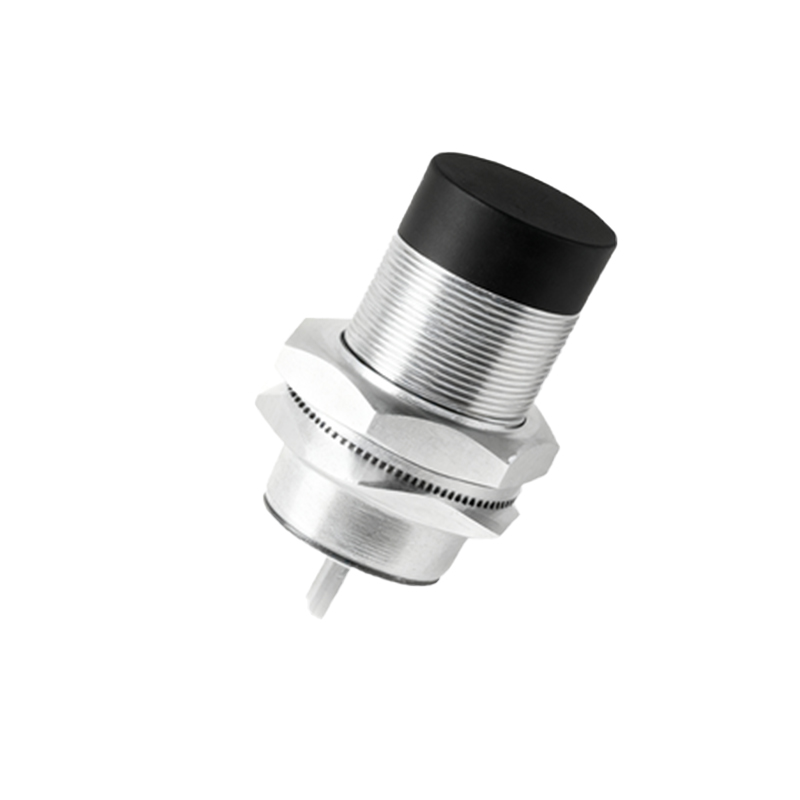
Installation and calibration are critical for optimal sensor performance. Engineers must consider factors like sensing distance, target material, and environmental interference. Shielding techniques mitigate electromagnetic noise in facilities with heavy machinery, while temperature-rated housings protect sensors in foundries or cold storage. Regular testing with multimeters or oscilloscopes ensures signal integrity, and alignment checks prevent false triggers from adjacent objects.
Advancements in IoT integration have transformed proximity sensors into smart devices. Modern sensors with IO-Link or Ethernet connectivity transmit diagnostic data to central control systems, enabling remote monitoring and predictive analytics. This connectivity supports Industry 4.0 initiatives, where real-time data from sensors optimizes production flow and energy usage. For example, in a smart factory, sensors track inventory levels and automatically reorder supplies, reducing human intervention.
Despite their robustness, challenges persist. Extreme temperatures, corrosive chemicals, or metallic dust can affect sensor accuracy. Solutions include selecting sensors with IP67 or higher ingress protection ratings and using frequency-modulated models to avoid crosstalk in dense installations. Training personnel on proper handling and troubleshooting further enhances system reliability.
In conclusion, proximity switch sensors are vital for industrial automation, offering versatility, durability, and precision. Their applications span from simple presence detection to complex predictive maintenance, driving efficiency and safety in demanding environments. As technology evolves, these sensors will continue to underpin smarter, more adaptive manufacturing ecosystems, solidifying their role as foundational elements in the industrial landscape.