In modern consumer electronics, particularly smartphones, the seamless integration of hardware and software defines the user experience. A critical, yet often overlooked, hardware component enabling key functionalities like Face ID is the proximity sensor. This article delves into the technical intricacies of how a damaged or malfunctioning X-type proximity sensor can lead to a complete failure of facial recognition systems, analyzing the failure modes from an electrical engineering standpoint.
The proximity sensor in question is typically an infrared (IR) LED and photodetector pair, often utilizing a time-of-flight (ToF) or analog modulation principle. Its primary function is to detect the presence of an object, such as a user's ear during a call, to disable the touchscreen. However, in devices with advanced biometric systems like Face ID, this sensor plays a dual role. It works in concert with the flood illuminator and dot projector system to determine the optimal moment for facial mapping by gauging the general proximity of the user's face. It acts as a preliminary "wake-up" trigger for the more power-intensive TrueDepth camera array.
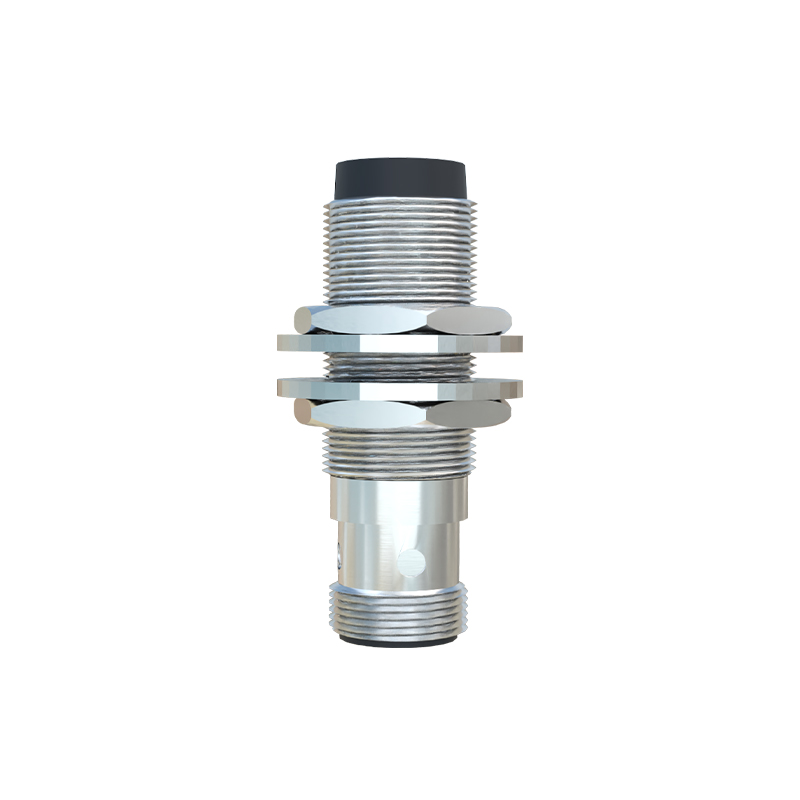
Failure of this sensor can be attributed to several root causes common in electronic components. Electrical Overstress (EOS) is a primary culprit. This includes transient voltage spikes from faulty chargers or static discharge (ESD) events that can breach the sensor's integrated circuit protection diodes, damaging the delicate IR LED driver or the amplifier circuit for the photodetector. Physical Damage, such as hairline cracks in the sensor package or its flex cable connector due to drops or bending stress, can interrupt signal lines or power rails. Optical Path Obstruction is another critical failure mode. Accumulation of dirt, adhesive from screen repairs, or even minor scratches on the protective glass overlay directly above the sensor can severely attenuate the emitted IR signal or block the return path, rendering the sensor "blind."
The direct consequence of a faulty proximity sensor is an erroneous or absent proximity reading. The device's operating system (e.g., iOS) relies on a handshake between multiple sensors for security and functionality. When the system polls the proximity sensor during a Face ID activation sequence and receives a null value, a constant "far" reading, or an out-of-spec electrical signal (e.g., wrong voltage level on an I2C data line), it interprets this as a system integrity fault.
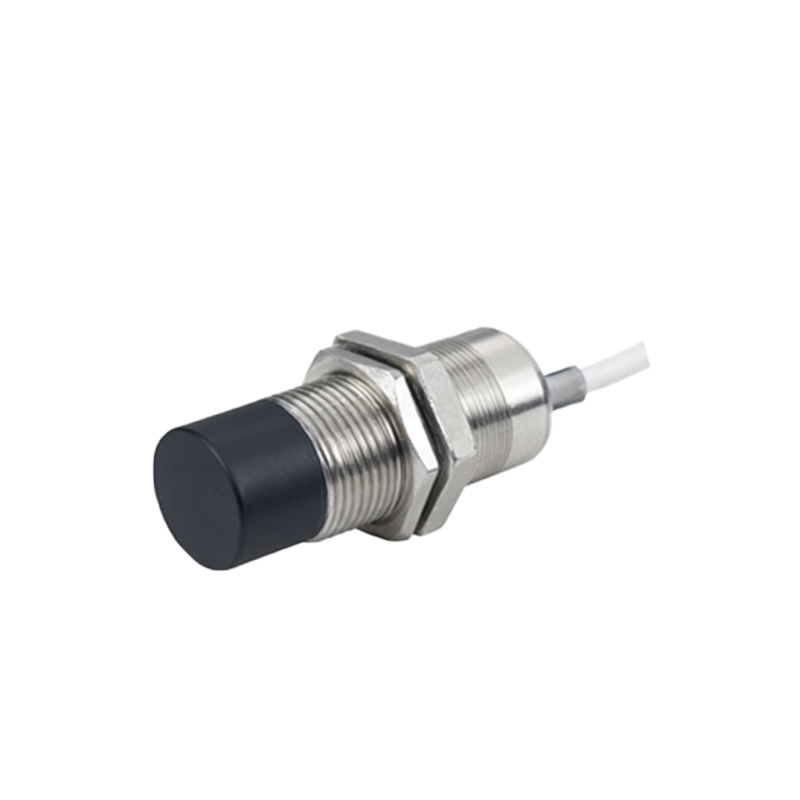
From a systems engineering perspective, this triggers a fail-safe protocol. Face ID, being a critical security feature, is designed to disable itself if any component in its trusted chain is deemed unreliable. The system kernel may log error codes such as "Proximity Sensor Calibration Failed" or "ToF Sensor Unavailable." The device will typically not even attempt to activate the flood illuminator or dot projector, as the initial condition—reliable proximity detection—is not met. The user experiences this as "Face ID not working," often accompanied by a prompt to enter a passcode.
Diagnosis requires a methodical approach. A basic functional test involves checking if the screen turns off during a phone call when placed near the ear. Failure here is a strong indicator. Advanced diagnostics involve using factory calibration software or board-level schematics to probe the sensor's voltage rails (e.g., VCC_main, VDD_IO), check for correct I2C/SPI communication signals using an oscilloscope, and measure the forward voltage and output of the IR LED. A common finding is a short or open circuit on the sensor's flex cable, measurable with a multimeter in continuity mode.
Repair strategies vary. For optical obstructions, careful cleaning with isopropyl alcohol may suffice. For connector issues, reseating or replacing the flex cable is necessary. However, in cases of EOS or physical damage to the sensor IC itself, a component-level replacement of the proximity sensor module is required. This demands micro-soldering expertise, as these components are surface-mounted devices (SMDs) with fine-pitch leads. Post-replacement, sensor calibration via proprietary software is almost always mandatory to ensure the IR signal strength and detection thresholds are within factory specifications, allowing the system to re-enable the Face ID functionality.
In conclusion, the failure of a proximity sensor is a clear example of a seemingly minor peripheral component causing a major system-level feature outage. It underscores the interdependence within modern electronic systems where hardware integrity is paramount for software-driven functionalities. For engineers and technicians, understanding this specific failure mode—its electrical causes, system-level implications, and precise repair procedures—is essential for effective troubleshooting in the field of consumer electronics repair and design for reliability.