Proximity sensors are indispensable components in modern industrial automation, offering non-contact detection of objects within a specific range. Their effectiveness is heavily influenced by their physical shape and form factor, which determine installation feasibility, sensing range, and suitability for different environments. Understanding the variety of proximity sensor shapes is crucial for optimal system integration.
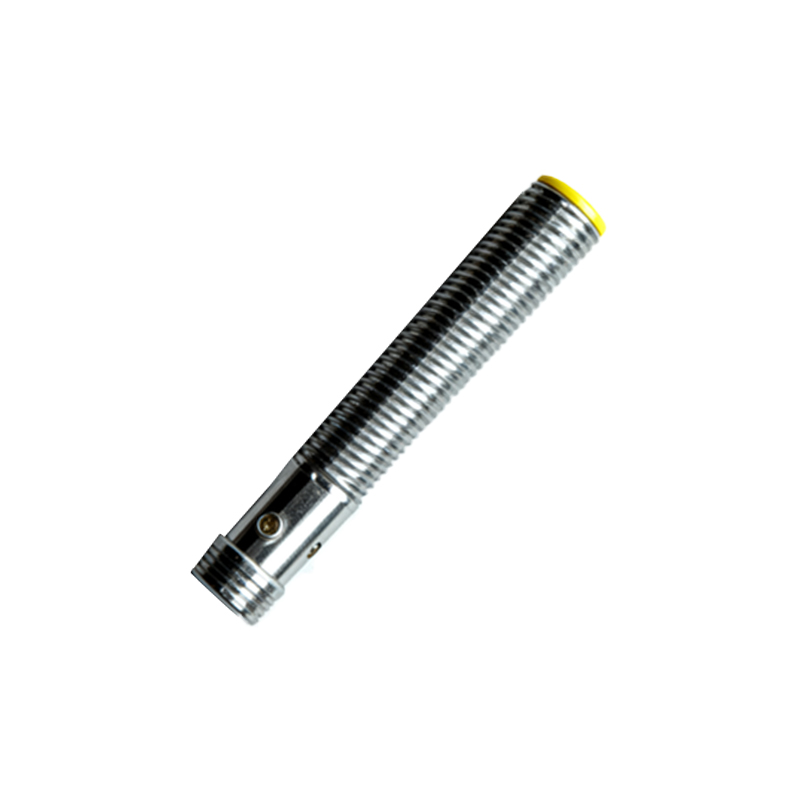
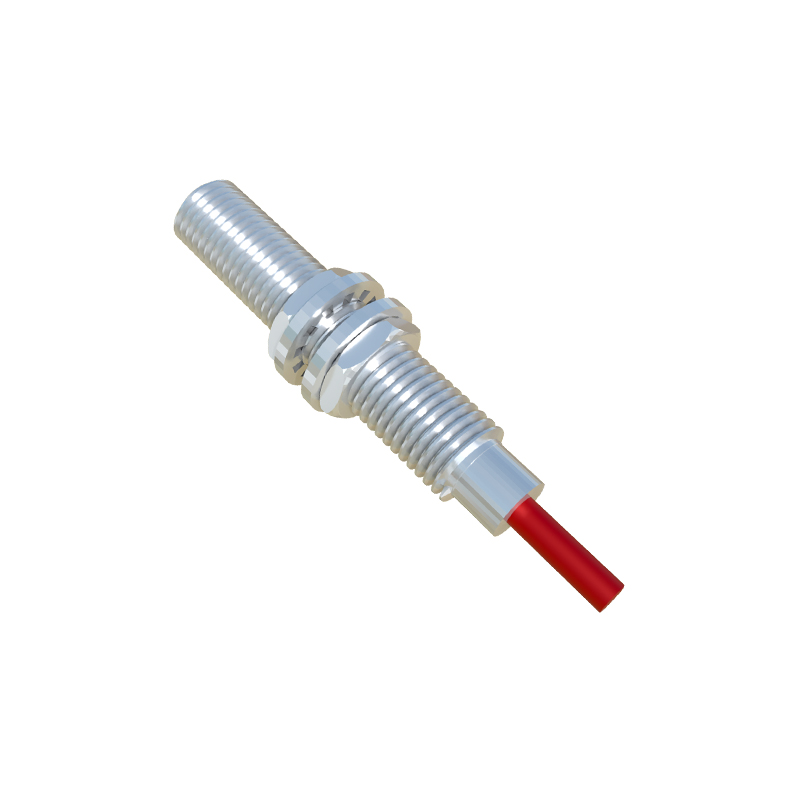
The most common shape is the Cylindrical (Barrel) Sensor. These sensors feature a threaded metal housing, typically in standard sizes like M8, M12, M18, and M30. Their cylindrical design allows for easy mounting in drilled holes using locknuts, providing a secure and stable installation. The sensing face is located at the flat end of the cylinder. This shape is ideal for general-purpose applications in machine tools, material handling, and packaging equipment where robust, straightforward mounting is required.
Rectangular or Block Sensors offer a flat, compact profile. This shape is advantageous in spaces with severe dimensional constraints where a cylindrical sensor would not fit. Their flat sensing surface can sometimes allow for a wider detection field. They are often used in assembly lines, conveyor systems, and as part of safety light curtains. Mounting is usually achieved via brackets or direct bolting on the flat sides.
For applications requiring a very low profile or flush mounting, Limit-Switch Shape Sensors are employed. They mimic the form factor of traditional mechanical limit switches, allowing them to be direct replacements in existing switch cabinets or mounting slots without mechanical redesign. This shape facilitates retrofitting older equipment with non-contact sensing technology.
Ring and Slot Sensors have a unique doughnut or U-shaped design where the object passes through the sensor's aperture. This shape is specifically designed for detecting small objects like bolts, wires, or labels on a continuous web. They are essential in counting, sorting, and verification applications in fast-paced manufacturing.
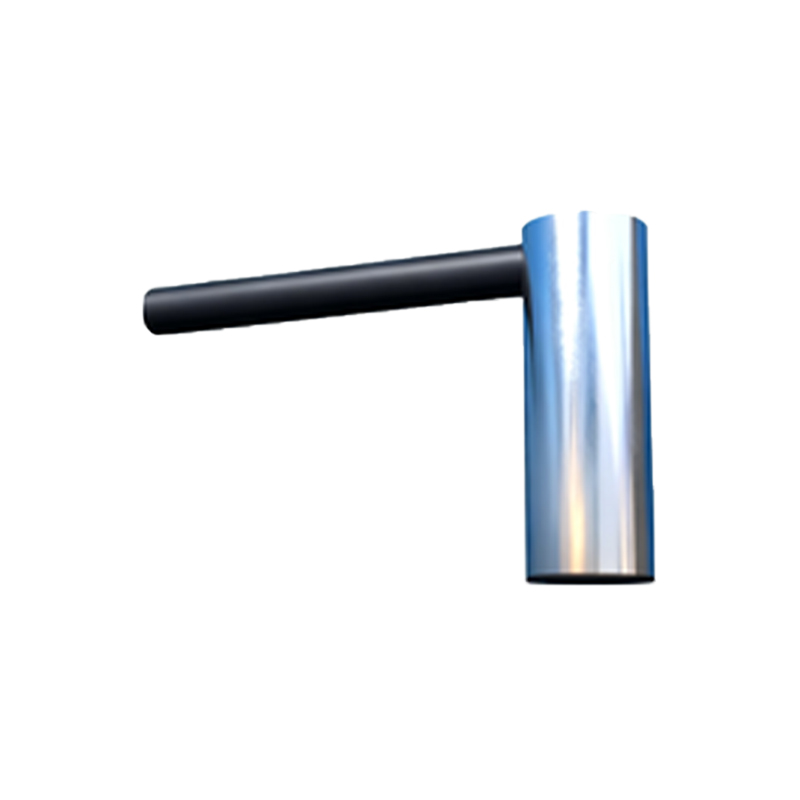
Custom and Special Shapes are also prevalent for niche applications. This includes sensors with angled heads (e.g., 90-degree bends) to view corners, extremely miniature sensors for micro-assembly robots, or sensors integrated into specific machine components. The shape is dictated by the unique mechanical and spatial challenges of the task.
The choice of shape directly impacts performance. Cylindrical sensors often provide the longest sensing ranges for their size. Flush-mountable rectangular or cylindrical sensors can be installed without protruding, preventing mechanical damage but slightly reducing their effective range. Non-flush variants have a longer range but protrude. Environmental factors also interact with shape; a smoother, streamlined shape with fewer crevices might be preferred in wash-down food and beverage environments to prevent bacterial growth.
In conclusion, the shape of a proximity sensor is not merely a cosmetic feature but a fundamental engineering parameter. From standard cylindrical threads to specialized rings and low-profile blocks, each form factor solves specific spatial, mechanical, and application challenges. Selecting the correct sensor shape ensures reliable detection, seamless integration, and long-term durability in complex industrial automation systems, contributing significantly to operational efficiency and machine safety.
SEO Keywords:Proximity sensor shapes, Cylindrical proximity sensor, Rectangular block sensor, Ring slot sensor, Industrial sensor mounting
SEO Description:Explore the various shapes of industrial proximity sensors, including cylindrical, rectangular, ring, and custom designs. Learn how each form factor influences mounting, sensing range, and application suitability in automation systems.