In the rapidly evolving landscape of aviation and aerospace technology, precision and reliability in measuring airspeed are non-negotiable. Traditional pitot-static systems, while effective for decades, encounter limitations in extreme conditions such as low air density at high altitudes, near-stall scenarios, or in the presence of atmospheric contaminants. Enter the laser airspeed sensor, a groundbreaking technology that is redefining the standards of flight instrumentation and data acquisition.
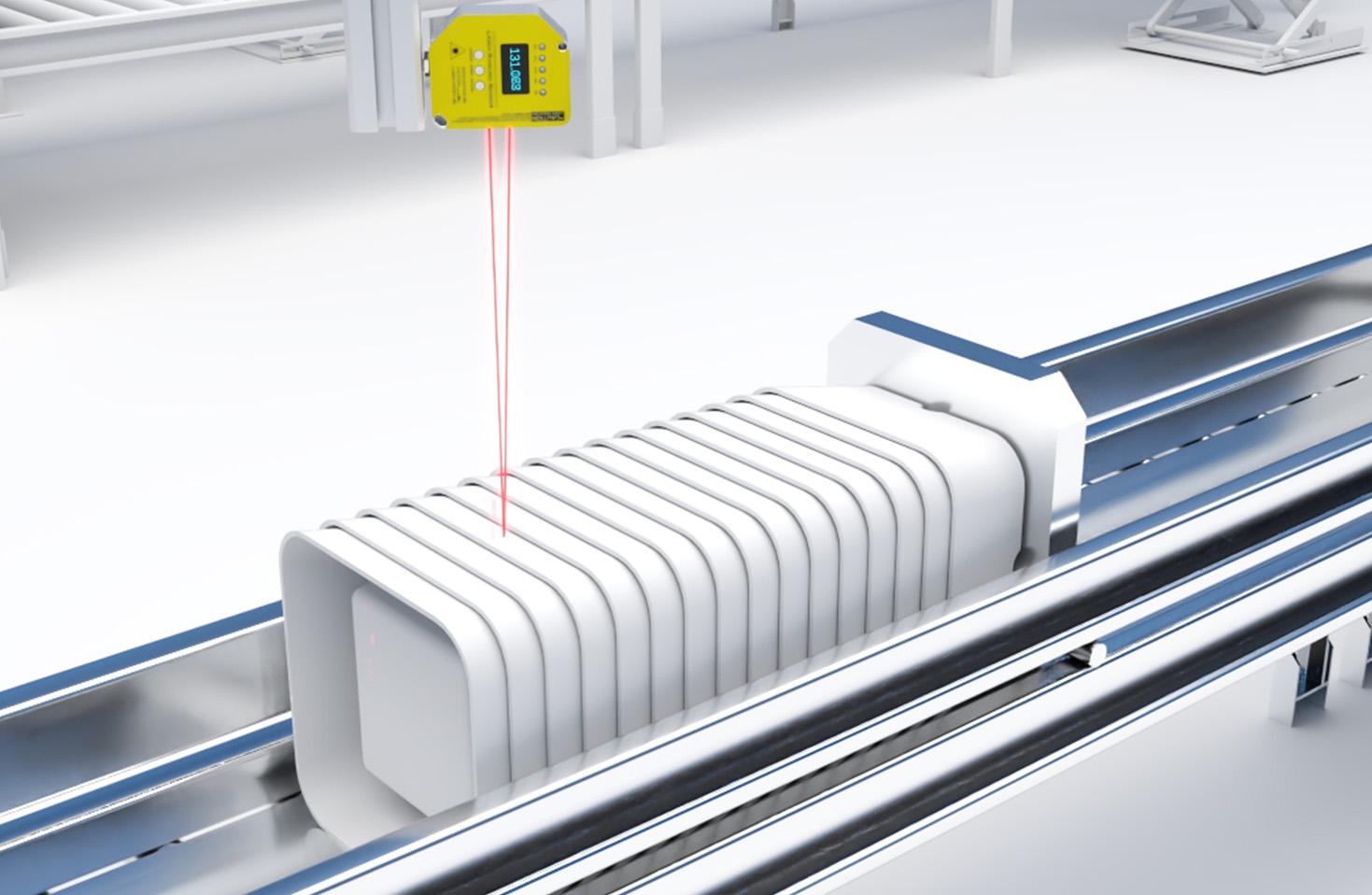
At its core, a laser airspeed sensor operates on the principle of Laser Doppler Velocimetry (LDV) or related optical techniques. It projects a focused laser beam into the airflow surrounding an aircraft or aerospace vehicle. As microscopic particles (aerosols, dust, or even molecules) pass through this beam, they scatter the light. The sensor then captures this scattered light. Due to the Doppler effect, the frequency of the scattered light shifts proportionally to the velocity of the particles. By meticulously analyzing this frequency shift, the sensor's sophisticated onboard processor calculates the true airspeed vector with exceptional accuracy, independent of air density, temperature, or pressure. This direct measurement contrasts sharply with pitot tubes, which infer speed from dynamic pressure and require corrections for these very parameters.
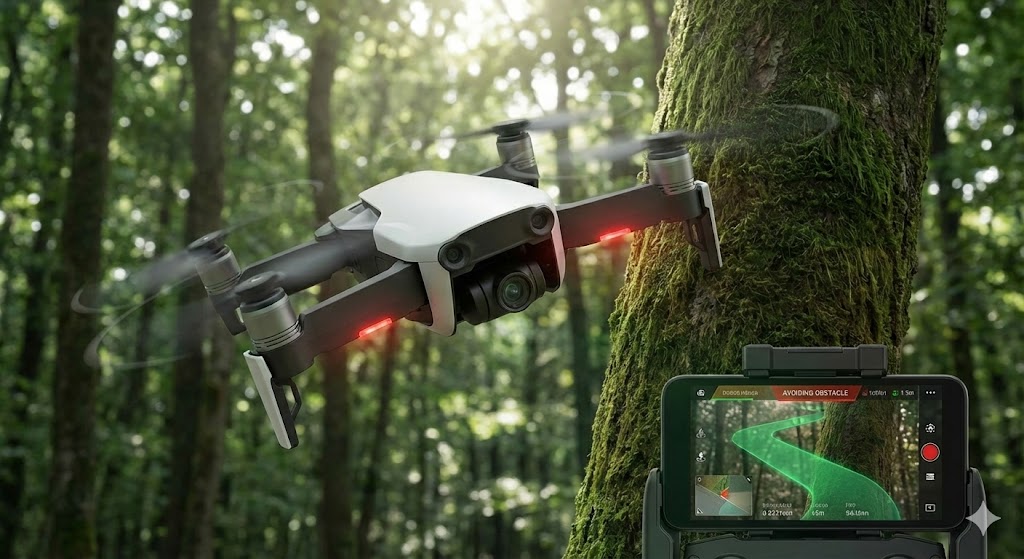
The advantages of this technology are profound. Firstly, it offers unparalleled accuracy and resolution, capable of detecting minute velocity fluctuations critical for advanced flight control systems, turbulence research, and aerodynamic testing. In wind tunnel applications, laser sensors provide non-intrusive, high-fidelity data without disturbing the flow being measured. Secondly, it boasts a remarkably wide operational envelope. It functions reliably from near-zero speeds, essential for Vertical Take-Off and Landing (VTOL) aircraft and helicopters, to hypersonic velocities encountered in re-entry vehicles and advanced missiles. Furthermore, its immunity to icing, pitot tube blockage (a known hazard in aviation history), and pressure port errors significantly enhances flight safety.
The integration of laser airspeed sensors is pivotal for next-generation aircraft. In unmanned aerial vehicles (UAVs) and drones, their small size, low power consumption, and lack of moving parts make them ideal for precise navigation and stable hovering, especially in GPS-denied environments. For commercial and military aviation, these sensors provide critical data for envelope protection systems, fuel efficiency optimization through precise true airspeed knowledge, and improved performance in adverse weather. In aerospace, they are indispensable for the development and testing of spacecraft, rockets, and hypersonic glide vehicles, where conventional sensors fail.
Current research is pushing the boundaries further. Developments in solid-state laser diodes, fiber optics, and advanced photodetectors are making the systems more compact, robust, and cost-effective. Integration with Air Data Computers (ADCs) and Inertial Navigation Systems (INS) is creating highly reliable, redundant, and intelligent air data modules. The future may see distributed laser sensor networks on aircraft skins, providing a real-time, complete picture of airflow over the entire vehicle for active flow control and drag reduction.
Despite the higher initial cost compared to traditional probes, the total lifecycle value—through reduced maintenance, enhanced safety, and superior performance—is driving adoption. Regulatory bodies like the FAA and EASA are increasingly recognizing the potential of this technology for certification purposes.
In conclusion, laser airspeed sensor technology represents a paradigm shift from indirect pressure-based measurement to direct optical velocity sensing. It is a cornerstone for the advancement of smarter, safer, and more efficient aerial and space vehicles. As the technology matures and scales, it will undoubtedly become a standard fixture, unlocking new possibilities in aviation design, operational capability, and our fundamental understanding of aerodynamics.
