In the rapidly evolving landscape of industrial automation, high temperature proximity sensors have emerged as critical components for operations in harsh environments. These specialized sensors are engineered to detect the presence or absence of objects reliably in settings where ambient temperatures can soar, often exceeding 150°C and reaching up to 250°C or more in extreme applications. The factory price of these sensors is a primary concern for OEMs, system integrators, and end-users across sectors like metal processing, automotive manufacturing, glass production, and aerospace. Understanding the cost structure is essential for making informed procurement decisions.
The factory price, or the direct cost from the manufacturer, is influenced by a complex matrix of technical and market factors. At its core, the sensor technology itself is a major determinant. Inductive proximity sensors, commonly used for metal detection, require specialized high-temperature-resistant housing materials such as PEEK (Polyether Ether Ketone), specialized high-temperature cables, and internal components like coils and ferrite cores that can withstand thermal stress. The grade and sourcing of these materials directly impact the Bill of Materials (BOM) cost. For instance, sensors rated for continuous operation at 200°C will inherently command a higher factory price than those rated for 120°C due to the more exotic materials and rigorous manufacturing processes involved.
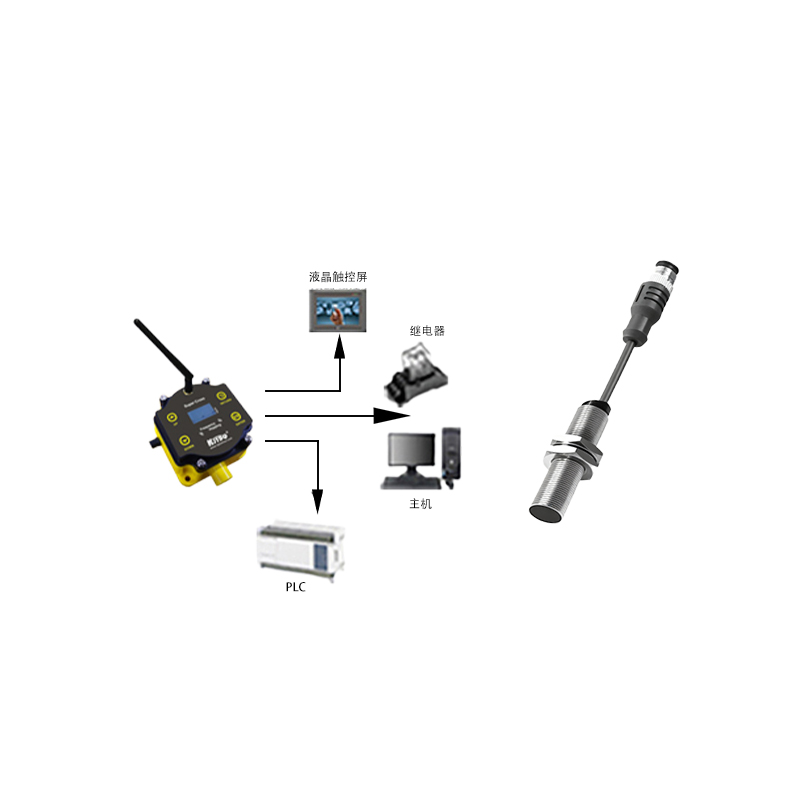
Another pivotal factor is the performance specification. Key parameters such as sensing distance, repeat accuracy, response frequency, and protection rating (e.g., IP67, IP69K) all contribute to the final cost. A sensor with a longer nominal sensing range or a higher switching frequency requires more precise calibration and robust electronics, adding to the manufacturing expense. Furthermore, certifications for use in specific industries, such as ATEX for explosive atmospheres or specific automotive standards, involve additional testing and documentation, which are reflected in the price.
Manufacturing scale and geographic production location are significant economic drivers. Large-scale production runs allow manufacturers to achieve economies of scale, reducing the per-unit cost through bulk material purchasing and optimized assembly lines. Conversely, custom-engineered sensors for niche applications are produced in lower volumes, leading to a higher factory price. The geographic location of the factory also affects labor costs, overhead, and logistics, influencing the final ex-works price quoted to buyers.
The competitive landscape plays a crucial role in market pricing. Established global brands with a reputation for reliability and extensive R&D investment, such as Turck, Pepperl+Fuchs, and Balluff, typically position their high-temperature sensor products at a premium. Their pricing reflects not only the product cost but also the value of brand assurance, global technical support, and warranty services. On the other hand, numerous specialized manufacturers and emerging suppliers, particularly from regions with competitive manufacturing ecosystems, offer cost-competitive alternatives. These suppliers often provide a compelling price-to-performance ratio, though buyers must diligently assess quality consistency and long-term support.
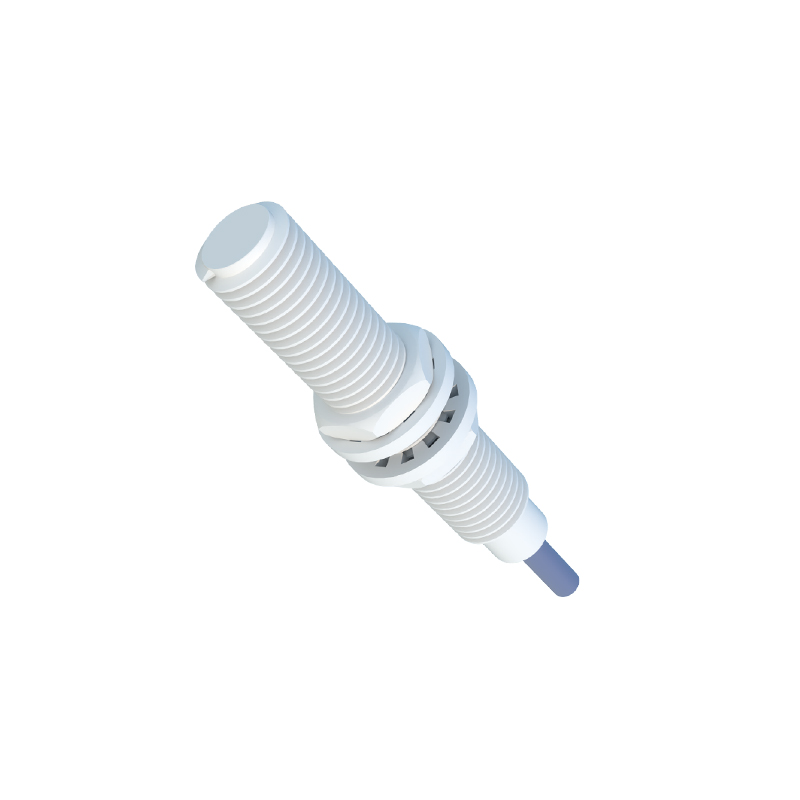
Current market trends indicate a growing demand for smarter, more integrated sensors. The integration of IO-Link communication capability into high-temperature proximity sensors is becoming more common. This digital feature allows for parameter setting, condition monitoring, and diagnostic data exchange, adding functionality but also increasing the initial factory price. However, this cost is often justified by the potential for reduced downtime and predictive maintenance in Industry 4.0 setups.
When evaluating factory prices, it is imperative for buyers to look beyond the initial quote. The Total Cost of Ownership (TCO) includes factors like installation costs, maintenance intervals, mean time between failures (MTBF), and compatibility with existing systems. A sensor with a slightly higher upfront cost but superior durability and reliability in a high-temperature cycle can offer significantly lower TCO by minimizing production stoppages.
In conclusion, the factory price of a high temperature proximity sensor is a synthesis of its material science, performance pedigree, manufacturing complexity, and brand value. As industries push the boundaries of operational temperatures and demand greater intelligence from field devices, the market will continue to see a diversification of products across various price points. Engaging in detailed technical discussions with manufacturers, requesting samples for real-world testing, and clearly defining application requirements are the best strategies to secure a sensor that delivers both operational excellence and economic value.