In the realm of industrial automation and machine safety, proximity sensors are indispensable components for non-contact object detection. Among the various technologies employed, ceramic-based proximity sensors represent a sophisticated and reliable solution, particularly in demanding environments. This article delves into the underlying principles of how ceramics are utilized in proximity sensing, focusing on capacitive and inductive types where ceramics play a critical role.
The fundamental principle of a proximity sensor is to detect the presence or absence of an object within a specified range without physical contact. Ceramics enter this equation primarily as a key material for the sensor's face or sensing surface and sometimes for the entire housing. The choice of ceramic, typically high-purity alumina (Al2O3) or zirconia (ZrO2), is driven by its exceptional material properties.
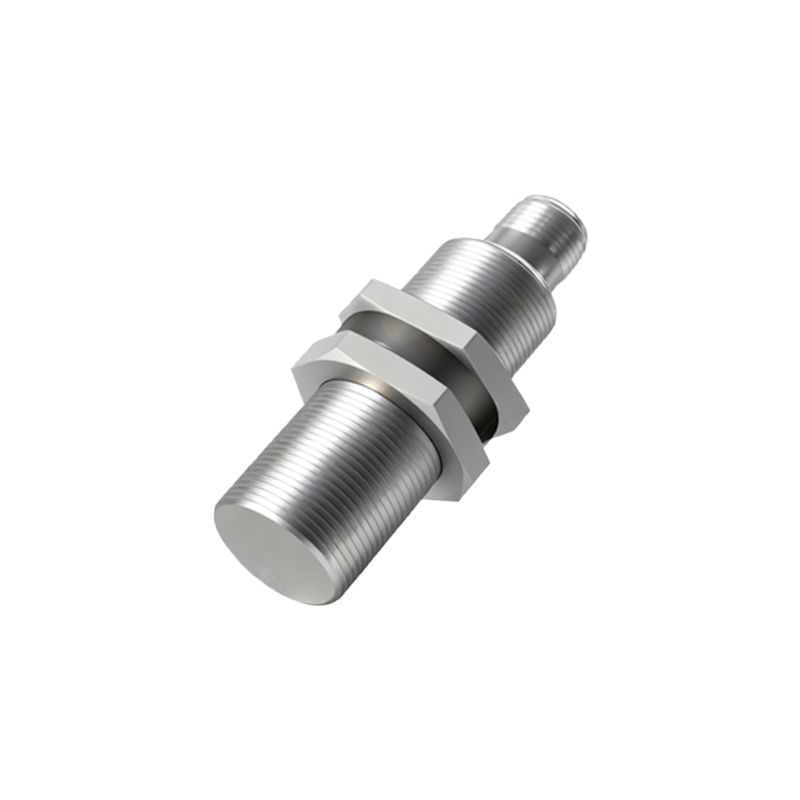
For Capacitive Proximity Sensors with Ceramic Faces, the operating principle is based on changes in capacitance. The sensor face acts as one plate of a capacitor, with the target object acting as the other plate, and the intervening space as the dielectric. The ceramic material serves as a stable, non-conductive dielectric itself. When a target object enters the sensor's electrostatic field, it alters the dielectric constant and thus the capacitance of the system. An internal oscillator circuit detects this change, triggering the sensor's output switch. The ceramic face is crucial here for its excellent dielectric strength, minimal moisture absorption, and resistance to chemical corrosion. This ensures a stable baseline capacitance and reliable detection of both metallic and non-metallic materials (e.g., plastics, liquids, wood) even in humid or dirty conditions, where other face materials might degrade or cause false triggers.
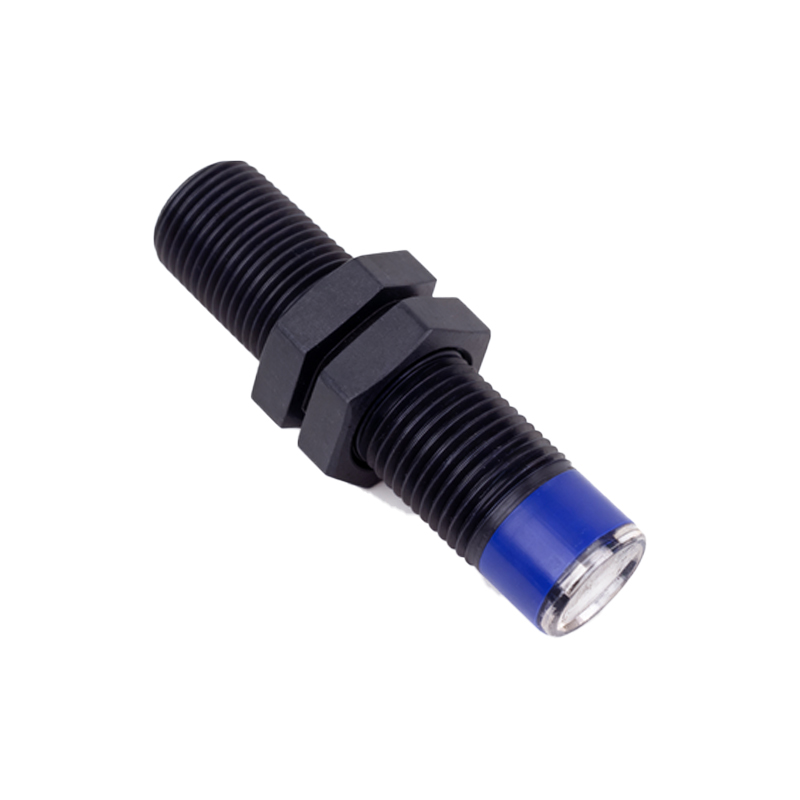
In the domain of Inductive Proximity Sensors, ceramics are predominantly used for their non-conductive and wear-resistant properties in the sensor housing, particularly the front cap. The core principle of an inductive sensor is electromagnetic induction. It generates a high-frequency oscillating electromagnetic field via a coil wound around a ferrite core. When a metallic target enters this field, eddy currents are induced in the target, which dampens the oscillation amplitude. This damping is detected by the sensor's evaluation circuit, leading to a state change in the output. While the sensing element is metallic (the coil and ferrite), the front face covering it is often a high-density ceramic. This ceramic cap is transparent to the electromagnetic field, allowing it to pass through unimpeded, while providing a hermetic seal and an extremely hard, durable surface. It protects the internal coil from physical abrasion, chips, coolant ingress, and mechanical impact—common challenges in machining, material handling, and heavy industrial applications. The ceramic's thermal stability also allows these sensors to operate consistently across a wide temperature range.
Beyond the face material, advanced ceramic substrates (like thick-film ceramics) are used within the sensor's electronic assembly for mounting circuits. Their high thermal conductivity helps dissipate heat from active components, enhancing long-term reliability and stability of the signal processing electronics.
The advantages of incorporating ceramics in proximity sensors are substantial:
1. Extreme Durability and Wear Resistance: Ceramics offer a hardness second only to diamonds, making them ideal for applications with abrasive materials or constant scraping.
2. Chemical Inertness: They are highly resistant to a vast array of acids, alkalis, solvents, and oils, ensuring longevity in harsh chemical environments.
3. Thermal Stability: Minimal thermal expansion and ability to withstand high temperatures prevent cracking or performance drift.
4. Hermetic Sealing: Sintered ceramic caps can create a perfect seal, achieving high IP ratings (e.g., IP67, IP69K) for protection against dust and high-pressure washdowns.
5. Stable Dielectric Properties: For capacitive sensors, this ensures consistent sensitivity and reduced drift over time.
In practical applications, you will find ceramic-faced proximity sensors in industries such as food and beverage (for washdown zones), wood processing (sawdust abrasion), metalworking (coolant and chip exposure), packaging (detecting various materials on lines), and automotive manufacturing. They are the go-to choice where sensor failure due to environmental abuse would cause costly downtime.
In conclusion, the principle behind using ceramic in proximity sensors is not about generating the sensing field itself (which is electromagnetic or electrostatic), but about enabling that field to operate reliably in hostile conditions. It serves as a robust, inert, and stable window or barrier that protects the sensitive internal components while being virtually impervious to environmental stressors. For an engineer specifying sensors for demanding applications, understanding this principle is key to selecting a device that ensures robustness, precision, and longevity on the factory floor. The integration of ceramic materials transforms a standard proximity sensor into a high-performance component capable of surviving where others fail.