In the realm of industrial automation and smart systems, the ability to detect the presence, absence, or position of an object without physical contact is paramount. This is where photoelectric proximity sensors come into play. These sophisticated devices are workhorses in countless applications, offering reliability, precision, and versatility. Unlike mechanical limit switches or inductive sensors that require metal targets, photoelectric sensors use light beams, making them suitable for detecting a vast array of materials, from transparent glass to opaque metals and everything in between.
The fundamental operating principle of a photoelectric sensor is elegantly simple. It consists of two core components: an emitter (light source) and a receiver (photodetector). The emitter projects a beam of light—typically visible red, infrared, or laser light. The receiver is designed to detect this light. The sensor's output state changes based on how this emitted light interacts with the target object. This interaction forms the basis for the three primary sensing modes: through-beam, retro-reflective, and diffuse.
Through-beam sensors, also known as opposed-mode sensors, feature separate, opposing units for the emitter and receiver. The emitter continuously sends a light beam directly to the receiver. An object is detected when it breaks this beam, interrupting the light path to the receiver. This mode offers the longest sensing ranges and highest reliability, as it is largely immune to the object's color, reflectivity, or surface angle. It is ideal for precise detection in demanding environments, such as on high-speed packaging lines or for counting objects on conveyors.
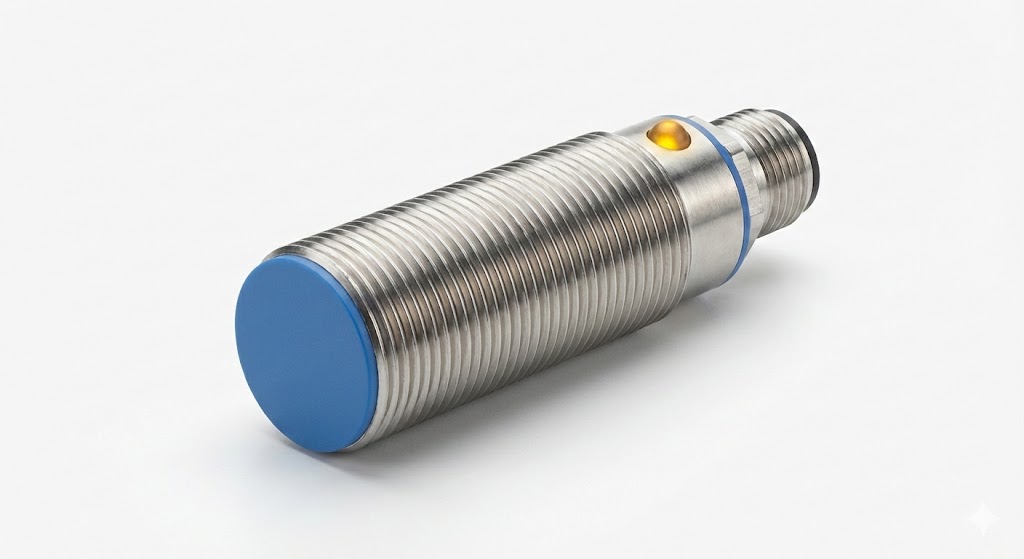
Retro-reflective sensors house both the emitter and receiver in a single housing. They operate by aiming the light beam at a specialized reflector, often a corner-cube reflector that bounces the light directly back to the receiver. Detection occurs when an object interrupts this reflected beam. This design simplifies installation compared to through-beam sensors, as only one device needs wiring and alignment, but it requires a reflector to be mounted opposite the sensor. A key feature of modern retro-reflective sensors is polarization filtering, which prevents them from being fooled by shiny objects that might also reflect light back.
Diffuse sensors, or proximity-mode sensors, are the most compact and easiest to install. The emitter and receiver are housed together, and they rely on the target object itself to reflect the emitted light back to the receiver. Detection is based on the amount of reflected light received. This mode is highly convenient but is influenced by the object's color, size, texture, and reflectivity. Dark, matte, or absorbent objects reflect less light and thus have a shorter effective sensing range than bright, shiny ones. Advanced versions, known as background suppression or convergent beam sensors, use triangulation principles to detect objects only within a specific, defined distance, ignoring more distant backgrounds.
The choice of light source is critical. Light-Emitting Diodes (LEDs) are the most common, prized for their long life, compact size, and resistance to shock and vibration. They can produce visible red, green, or blue light, as well as infrared. Infrared LEDs are used for discreet operation or where ambient light might be an issue. Laser diodes provide an extremely focused, precise beam for applications requiring high accuracy, such as detecting small parts or precise positioning.
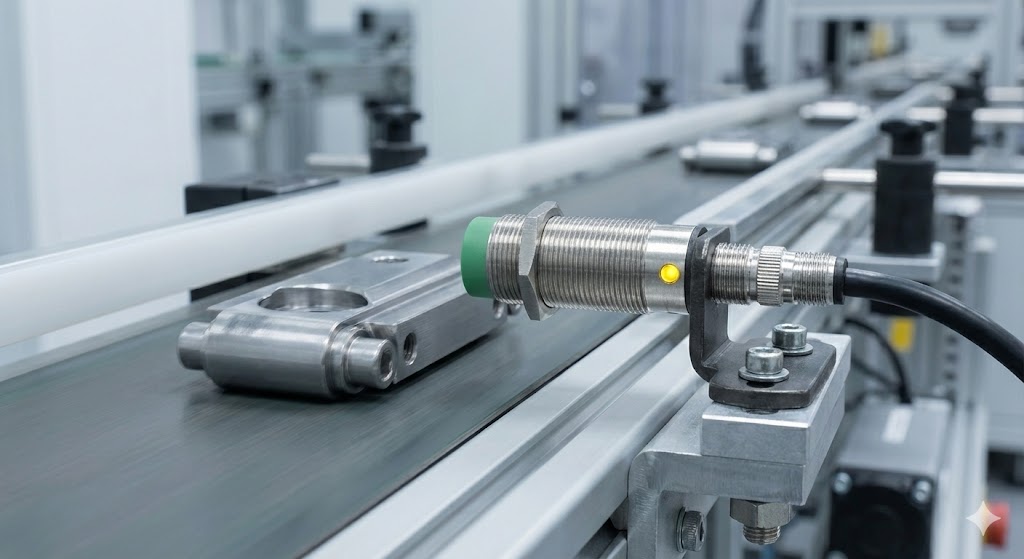
The applications for photoelectric proximity sensors are virtually limitless. In material handling and logistics, they count boxes, control conveyor gates, and detect pallet positions. In the automotive industry, they ensure robotic arms correctly pick and place components. On assembly lines, they verify the presence of parts like bottle caps or labels. In packaging machinery, they monitor fill levels in transparent containers. They are also essential in safety systems, forming light curtains that halt machinery when a beam is broken, protecting personnel.
When selecting a photoelectric sensor, several factors must be considered. The required sensing range, the physical size and environmental conditions (dust, moisture, temperature), the type and surface properties of the target material, and the necessary response speed all play a role. Modern sensors come with advanced features like programmable logic, teach-in functions for easy setup, and robust housings with high Ingress Protection (IP) ratings for harsh industrial settings.
In conclusion, photoelectric proximity sensors are a foundational technology for non-contact detection. Their adaptability, derived from different operating modes and light sources, allows engineers to solve an enormous variety of detection challenges. As industries continue to advance towards greater automation and the Internet of Things (IoT), the role of these precise, reliable, and intelligent sensing devices will only become more central, providing the essential data needed for efficient and safe automated systems.