In the realm of industrial automation, laser sensors are pivotal components for precision measurement, detection, and positioning. Over time, these sensors may degrade or fail, necessitating replacement to maintain system integrity and productivity. Selecting the correct laser sensor replacement parts is not merely a matter of compatibility; it involves a thorough understanding of specifications, environmental factors, and performance requirements.
First, identify the exact model and manufacturer of the existing laser sensor. Industrial laser sensors, such as those from Keyence, Banner Engineering, or SICK, have unique part numbers and technical datasheets. Refer to the original equipment manual or consult the manufacturer's website to obtain precise details regarding dimensions, electrical connections, output types (e.g., NPN, PNP, analog, digital), and sensing range. Using an incorrect replacement can lead to measurement inaccuracies, communication errors, or even damage to connected machinery.
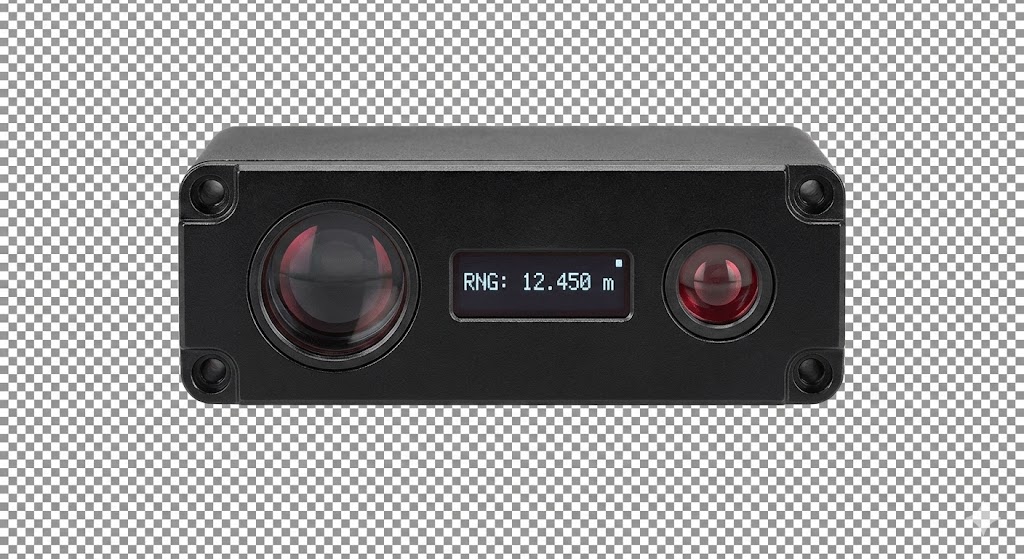
Consider the operational environment. Industrial settings often expose sensors to harsh conditions like dust, moisture, vibration, or extreme temperatures. Replacement parts should match or exceed the Ingress Protection (IP) rating and temperature tolerance of the original. For instance, in washdown environments, opt for parts with high IP ratings (e.g., IP67 or IP69K) to ensure durability. Additionally, evaluate the sensing technology—whether it's through-beam, retro-reflective, or diffuse reflective—as this affects installation alignment and detection capabilities.
Performance parameters are critical. Key specifications include resolution, repeatability, response time, and laser class (typically Class 1 or Class 2 for safety). For applications requiring high-speed detection, such as in packaging lines, a replacement with a fast response time (e.g., sub-millisecond) is essential. Similarly, in precision assembly, parts with high repeatability ensure consistent measurements. Always verify that the replacement part's laser wavelength and spot size align with the application's needs, as variations can impact detection accuracy.
Sourcing replacement parts from reputable suppliers or directly from OEMs guarantees quality and compatibility. While third-party alternatives may offer cost savings, they might lack rigorous testing and certification, potentially leading to premature failure. Check for warranties and technical support, which are invaluable for troubleshooting. During installation, follow ESD (electrostatic discharge) precautions and calibrate the sensor according to manufacturer guidelines to optimize performance.
In summary, replacing laser sensor parts demands meticulous attention to detail. By prioritizing exact specifications, environmental resilience, and performance criteria, engineers can ensure seamless integration and prolonged system uptime. Regular maintenance and proactive part sourcing further minimize downtime, enhancing overall operational efficiency in industrial automation.