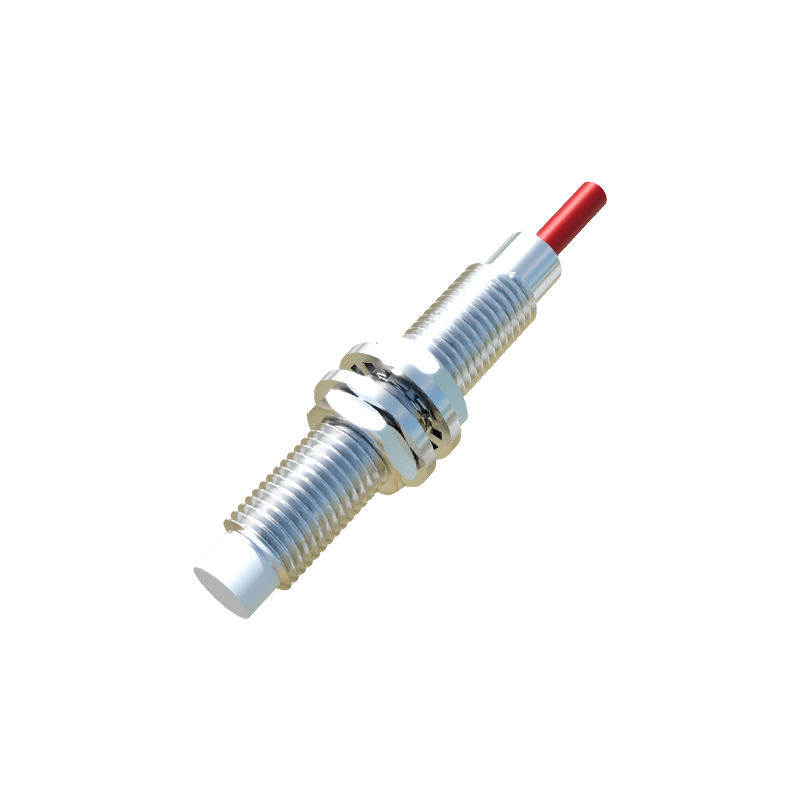
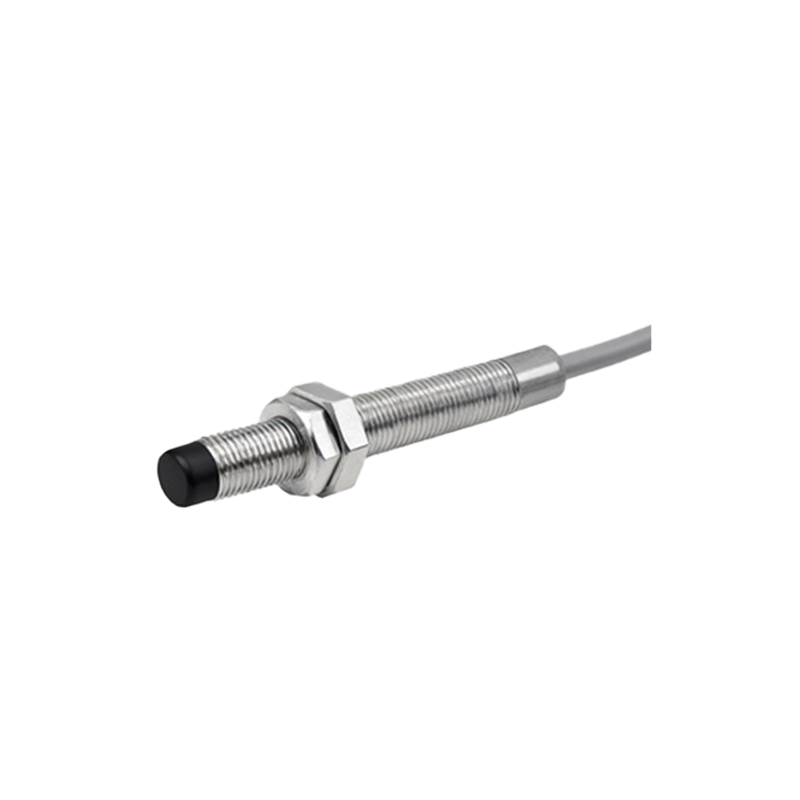
Metal proximity sensors are indispensable components in modern industrial automation, serving as the eyes of machinery by detecting the presence or absence of metallic objects without physical contact. These sensors operate on various principles, including inductive, capacitive, and magnetic sensing technologies, with inductive sensors being the most common for metal detection. Their primary function is to provide reliable, non-contact detection, which enhances operational efficiency, safety, and precision in diverse applications.
One of the core roles of metal proximity sensors is object detection and positioning in manufacturing lines. For instance, in automotive assembly plants, these sensors ensure that components like engine parts or chassis elements are correctly aligned before welding or fastening processes. By detecting metal objects as they move along conveyor belts, sensors trigger automated actions such as stopping, sorting, or counting, thereby minimizing human intervention and reducing errors. This leads to increased throughput and consistent product quality, as sensors can operate in harsh environments with dust, moisture, or vibrations where mechanical switches might fail.
Another critical function is safety enhancement in machinery and robotics. Metal proximity sensors are integrated into safety systems to prevent accidents by monitoring the position of guards, doors, or moving parts. In robotic cells, sensors detect if a human or obstacle enters a restricted zone, prompting an immediate shutdown to avoid collisions. This non-contact nature eliminates wear and tear, ensuring long-term reliability and compliance with industry safety standards like ISO 13849. Additionally, in material handling equipment such as cranes or lifts, sensors provide precise control by detecting metal loads, preventing overloading and optimizing energy usage.
Metal proximity sensors also play a vital role in quality control and inspection processes. In industries like food packaging or pharmaceuticals, where metal contamination poses risks, these sensors are used in detection systems to identify foreign metal particles in products. By integrating sensors into production lines, companies can automatically reject defective items, maintaining high hygiene and safety standards. Moreover, in metalworking applications such as CNC machining, sensors monitor tool wear by detecting changes in metal proximity, alerting operators to replace tools before they cause defects, thus reducing downtime and material waste.
The versatility of metal proximity sensors extends to counting and monitoring tasks in logistics and inventory management. For example, in warehouse automation, sensors track metal pallets or containers, enabling real-time inventory updates and efficient space utilization. They are also employed in automotive parking systems to detect vehicles, triggering barriers or payment systems. With advancements in technology, modern sensors offer features like adjustable sensing ranges, temperature resistance, and digital outputs, making them adaptable to smart factories and IoT networks for predictive maintenance and data analytics.
In summary, metal proximity sensors are fundamental to industrial automation, providing non-contact detection that boosts efficiency, safety, and accuracy. From manufacturing and robotics to quality assurance and logistics, their applications are vast and evolving. As industries embrace automation and digitalization, the demand for robust, intelligent sensors will continue to grow, driving innovation in sensor design and integration. By understanding their functions, engineers can leverage these devices to optimize processes, reduce costs, and enhance overall system performance in a competitive global market.