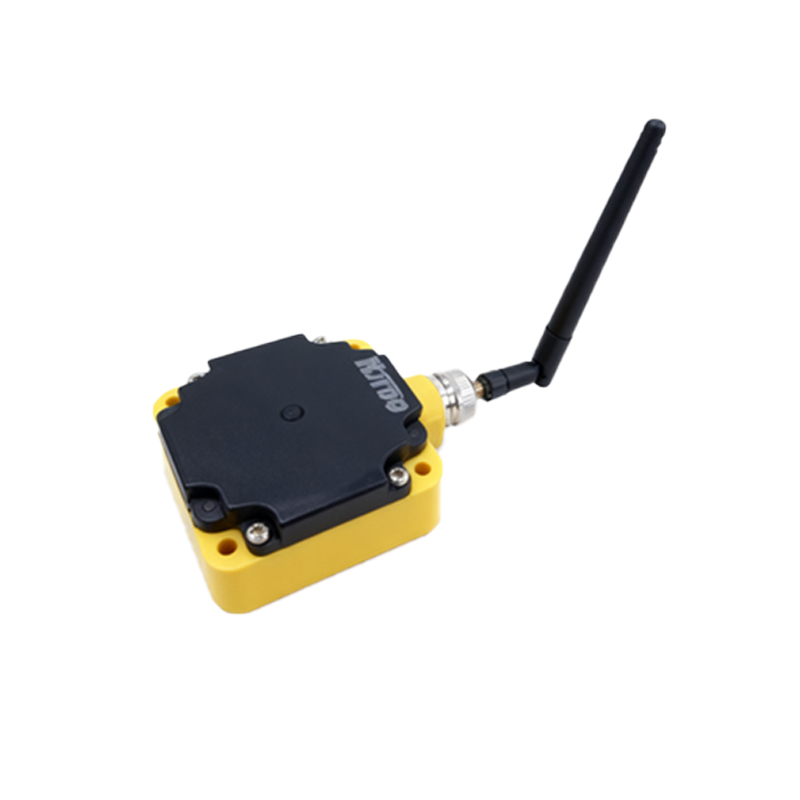
In the realm of industrial automation and smart device design, proximity sensors play a pivotal role in enabling non-contact detection and enhancing system intelligence. Among the various options available, the P40 series of proximity sensors has established itself as a reliable and versatile component for engineers. This article delves into the technical specifications, operational principles, and practical applications of the P40 proximity sensor, providing a detailed overview for electrical engineering professionals.
The P40 is typically an inductive proximity sensor, designed to detect the presence of metallic objects without any physical contact. Its core operating principle is based on electromagnetic induction. The sensor generates a high-frequency oscillating electromagnetic field from its active face. When a metallic target enters this field, eddy currents are induced on the surface of the target. These eddy currents absorb energy from the oscillator, causing a reduction in the oscillation amplitude. This change is detected by the sensor's circuitry, which then triggers a switching action—either opening or closing an output circuit. This solid-state switching is highly reliable, offering millions of operational cycles with minimal wear.
Key technical parameters define the P40's performance. The sensing distance, often standardized, is a critical specification. For a standard P40 inductive sensor, this nominal sensing range (Sn) is typically up to 40 millimeters, though specific models may vary. It is crucial to note that this rating is for a standard mild steel target. Factors like target material, size, and shape can affect the actual sensing distance; for instance, non-ferrous metals like aluminum or copper require a reduction factor. The sensor operates on a wide range of DC or AC supply voltages, commonly from 10-30V DC or 20-250V AC, making it compatible with diverse control systems. Its output configuration can be normally open (NO), normally closed (NC), or analog (4-20mA or 0-10V), and it may feature a PNP (sourcing) or NPN (sinking) transistor output for DC models. The housing is usually constructed from nickel-plated brass or stainless steel, offering high resistance to mechanical impact, vibrations, and harsh industrial environments including coolants and oils. Many models also feature LED status indicators for easy diagnostics.
The selection and installation of a P40 sensor require careful consideration. Engineers must account for the target material, required sensing distance, environmental conditions (temperature, presence of contaminants), and electrical interface with the controller (PLC, relay). Proper mounting is essential; maintaining the recommended lateral and axial distances between multiple sensors prevents mutual interference. The sensor should also be shielded from direct exposure to welding spatter or excessive metallic dust. For applications involving different metallic alloys, conducting real-world tests to determine the effective sensing range is a recommended best practice.
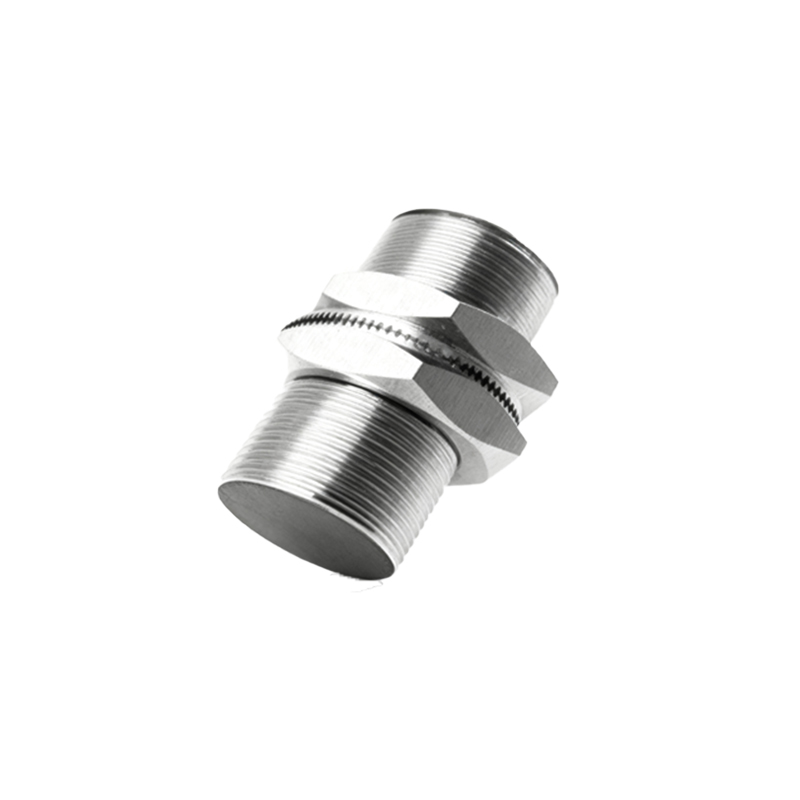
The application spectrum for the P40 proximity sensor is vast within industrial electrical engineering. A primary use is in position sensing and end-of-travel detection on automated machinery, such as CNC machines, robotic arms, and conveyor systems. They are indispensable in object counting on production lines, monitoring the passage of metal parts. In material handling, they detect the presence of pallets, containers, or elevators at specific levels. Furthermore, they serve as safety devices, ensuring machine guards are closed or tools are in the correct position before initiating a cycle. Their robust design makes them suitable for demanding sectors like automotive manufacturing, metalworking, packaging, and woodworking machinery.
When compared to other sensing technologies like capacitive, ultrasonic, or photoelectric sensors, the inductive P40 excels in environments where only metals need to be detected reliably amidst dirt, dust, or moisture. It is immune to most non-metallic substances. However, its limitation is clear: it cannot detect non-metallic objects. For such needs, engineers would consider capacitive P40 variants or other technologies.
In conclusion, the P40 proximity sensor represents a mature, robust, and highly effective solution for metallic object detection in industrial settings. Its design balances sensitivity, durability, and ease of integration. For the electrical engineer, a deep understanding of its parameters, correct selection according to the application's physical and electrical requirements, and proper installation are key to leveraging its full potential, ensuring system reliability, enhancing automation efficiency, and contributing to the seamless operation of complex industrial systems. Always refer to the specific manufacturer's datasheet for the exact specifications and installation guidelines of the chosen P40 model.