In the competitive landscape of mid-range smartphones, sensor integration is a critical factor influencing user experience. The Huawei Enjoy 50 Plus, a device positioned for value-conscious consumers, often raises questions regarding its hardware specifications, particularly concerning the presence of a proximity sensor. This analysis delves into the technical aspects to provide a definitive answer.
A proximity sensor is a non-contact device that detects the presence of nearby objects, typically by emitting an electromagnetic field or a beam of electromagnetic radiation (like infrared). In smartphones, its primary function is to deactivate the touchscreen display and backlight when the device is held close to the ear during a call. This prevents accidental screen touches (like muting the call or pressing dial pad buttons) and conserves battery power. The absence of this sensor can lead to a notably frustrating user interaction during voice calls.
Upon examining the official technical specifications released by Huawei for the Enjoy 50 Plus, the documentation explicitly lists a proximity sensor among its sensor suite. This suite commonly includes an accelerometer, ambient light sensor, and others. The sensor is typically housed within the top bezel or the notch/display cutout area of the phone. In practical terms, users can verify its functionality during a phone call. Simply make a call and place your hand or the phone close to your ear; the screen should turn off almost immediately. Removing the phone from your ear should restore the display. This is the most straightforward user-end test.
The integration of a proximity sensor in a device like the Enjoy 50 Plus underscores Huawei's commitment to maintaining core functional usability even in its budget-friendly segments. While some ultra-low-cost models from various brands might omit this component to reduce Bill of Materials (BOM) costs, its inclusion here is a significant plus. It ensures that a fundamental interaction—making a telephone call—remains seamless and error-free.
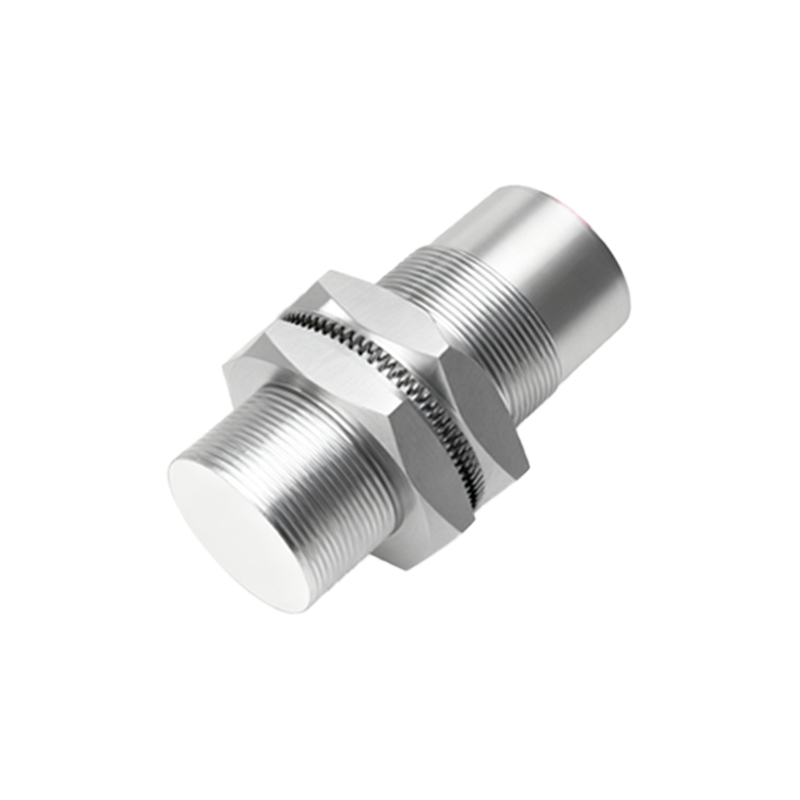
Beyond the basic call function, the proximity sensor can also interact with other system software. For instance, some user interfaces (UI) use it to prevent accidental wake-ups when the phone is in a pocket or bag. While the primary and most critical application remains call management, its utility contributes to overall device intelligence.
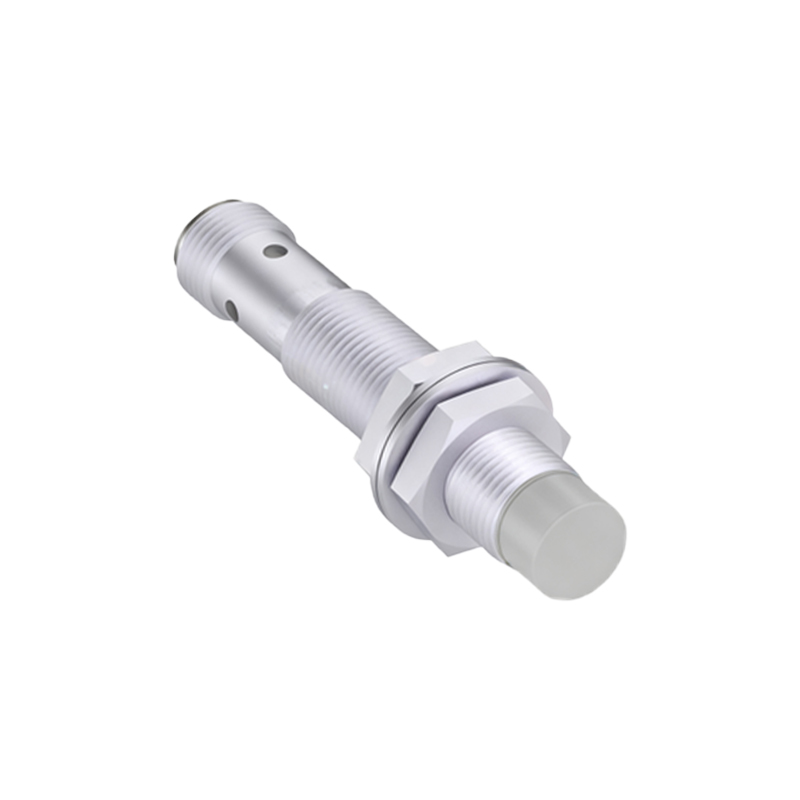
From an engineering and design perspective, incorporating a proximity sensor involves considerations of component placement, calibration, and software integration. The sensor must be accurately calibrated to have an appropriate detection range—not too sensitive to trigger from distant objects, yet responsive enough for the intended use case. The software drivers must correctly interpret the sensor's signal to issue the correct command to the display controller. Huawei's experience in hardware-software integration ensures this process is smooth for the end-user.
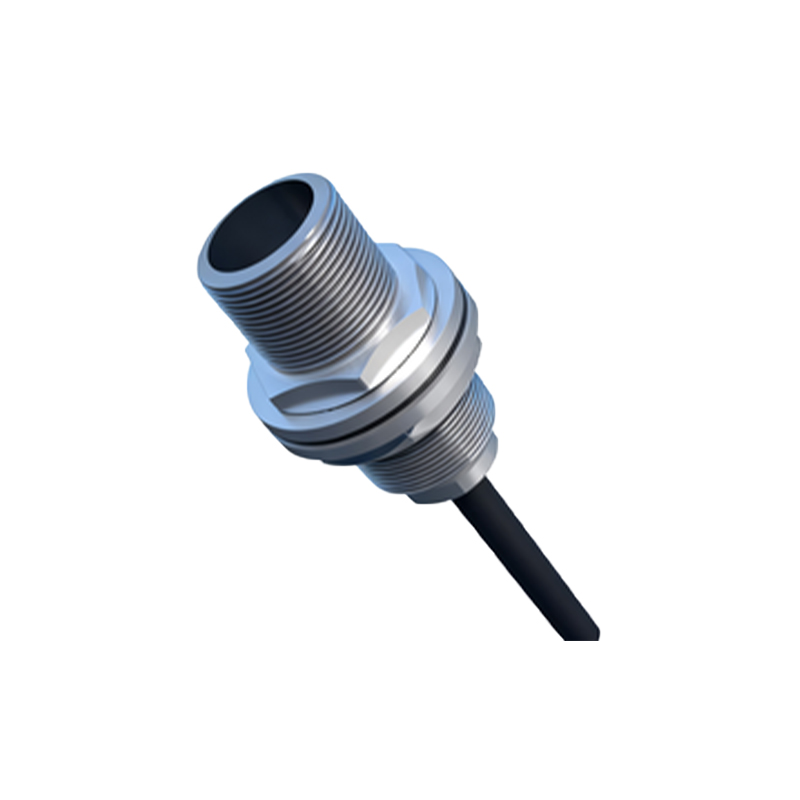
In conclusion, based on official specifications and verifiable user experience, the Huawei Enjoy 50 Plus is equipped with a functional proximity sensor. This feature, while often overlooked in spec sheets, is vital for daily usability. Its presence aligns the device with expected smartphone standards, preventing a common pain point in its price category. For consumers prioritizing reliable core communication functions, this detail reaffirms the Enjoy 50 Plus as a competent choice. When evaluating any smartphone, checking for such fundamental sensors is always a recommended step beyond just reviewing processor speed or camera megapixels.