Proximity sensors are indispensable components in modern automation systems, serving as the eyes and ears of industrial machinery. These devices detect the presence or absence of objects without physical contact, enabling precise control, safety, and efficiency in manufacturing and processing environments. As an electrical engineer with extensive experience in automation, I have witnessed firsthand how the evolution of proximity sensor technology has revolutionized industrial operations.
There are several types of proximity sensors, each suited to specific applications based on their operating principles. Inductive proximity sensors are widely used for detecting metallic objects. They generate an electromagnetic field and sense changes caused by conductive materials, making them ideal for harsh environments where dust, oil, or moisture is present. Capacitive proximity sensors, on the other hand, can detect both metallic and non-metallic materials, including liquids and granular substances, by measuring changes in capacitance. Ultrasonic sensors use sound waves to determine distance and are excellent for level sensing or detecting transparent objects. Photoelectric sensors employ light beams to sense objects and are versatile for various detection tasks, though they may be affected by environmental factors like ambient light or dirt.
The selection of a proximity sensor depends on multiple factors, such as the material of the target object, required sensing range, environmental conditions, and response time. For instance, in high-speed packaging lines, fast-response inductive sensors ensure accurate positioning of metal containers, while capacitive sensors might be chosen for monitoring plastic film levels. Engineers must also consider mounting options, output types (e.g., NPN, PNP, or analog), and protection ratings (like IP67 for dust and water resistance) to ensure durability and compatibility with control systems.
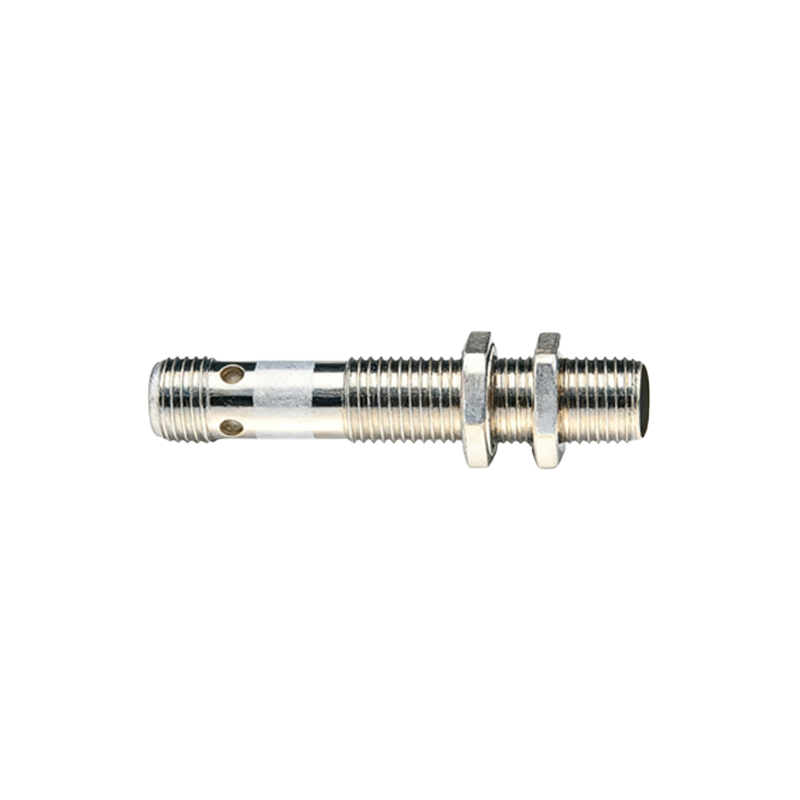
In automation, proximity sensors play a critical role in enhancing operational efficiency. They enable precise object detection for robotic arms, conveyor belt control, and assembly line synchronization, reducing downtime and minimizing errors. Safety applications include monitoring machine guards to prevent accidents and ensuring equipment operates only when components are correctly aligned. Moreover, these sensors contribute to predictive maintenance by providing real-time data on machine performance, allowing for timely interventions before failures occur.
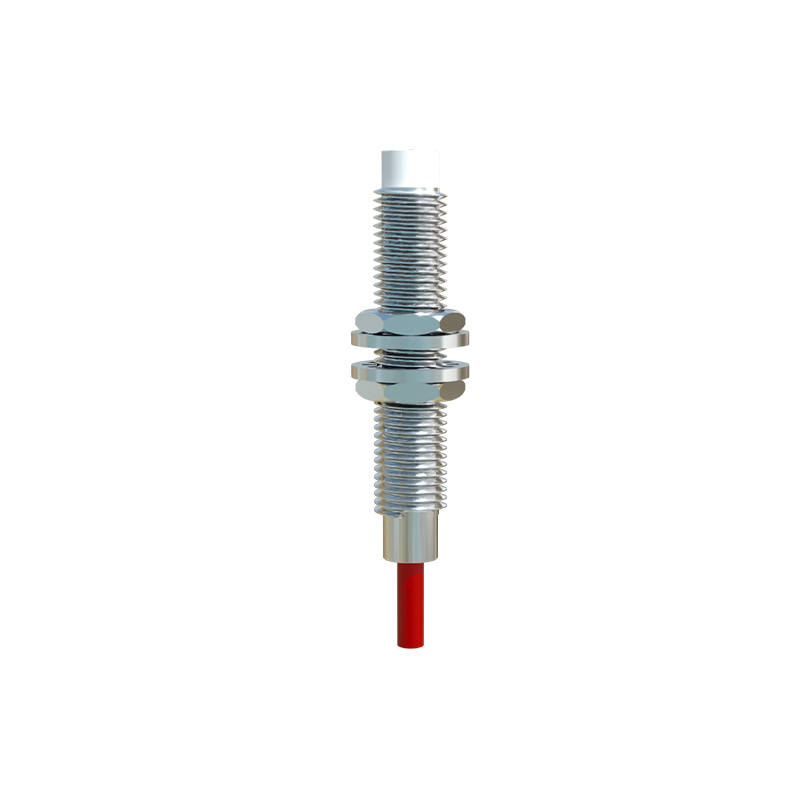
Recent advancements have further expanded the capabilities of proximity sensors. Smart sensors with integrated IO-Link communication offer digital diagnostics and parameterization, simplifying setup and troubleshooting. Miniaturization has led to compact designs that fit into tight spaces without compromising performance. Additionally, energy-efficient models help reduce overall power consumption in large-scale installations.
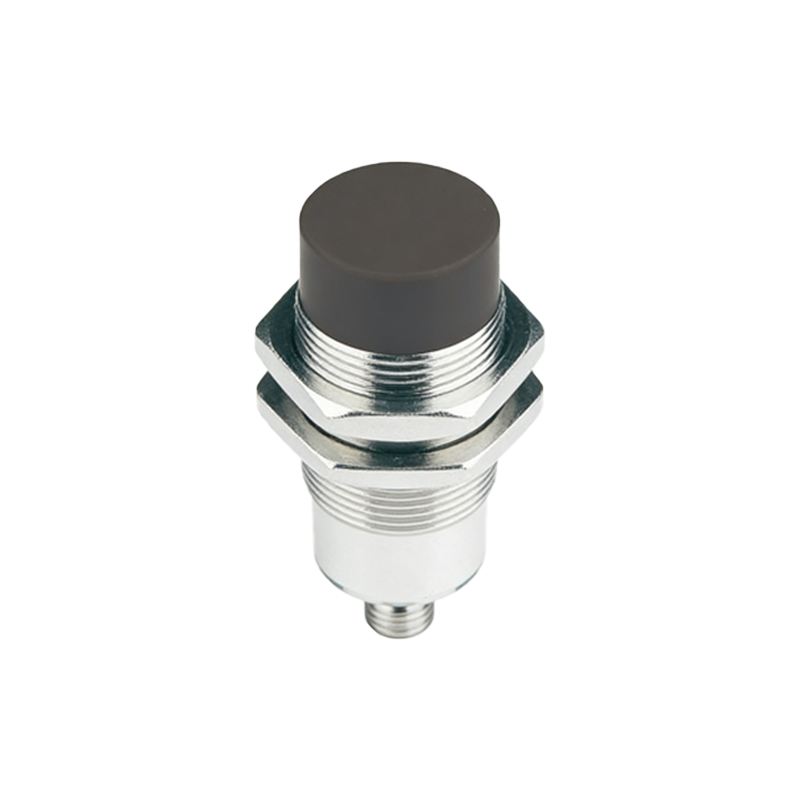
Despite their robustness, proximity sensors can face challenges such as electromagnetic interference, temperature extremes, or mechanical wear. Regular calibration and adherence to manufacturer guidelines are essential for optimal performance. In my projects, I have found that proper installation—including correct alignment, adequate shielding, and routine testing—significantly extends sensor lifespan and reliability.
Looking ahead, the integration of proximity sensors with Industry 4.0 technologies like the Industrial Internet of Things (IIoT) is set to transform automation. Sensors with wireless connectivity and data analytics capabilities will enable smarter, more adaptive systems, driving productivity to new heights. As automation continues to evolve, proximity sensors will remain at the core of innovative solutions, empowering engineers to build safer, more efficient, and sustainable industrial environments.
In conclusion, proximity sensors are vital tools in automation, offering non-contact detection that boosts accuracy and safety. By understanding their types, applications, and best practices, engineers can leverage these devices to optimize processes and embrace future technological shifts. Whether in automotive manufacturing, food processing, or logistics, the right proximity sensor can make a profound difference in system performance and reliability.