In the rapidly evolving field of robotics, the development of dexterous robotic hands, or "smart grippers," represents a pinnacle of engineering aimed at replicating the nuanced capabilities of the human hand. Central to achieving this high level of dexterity and safe interaction is the integration of advanced proximity sensing technology. Proximity sensors in robotic end-effectors act as a critical pre-touch sensory system, providing vital spatial information about the environment before physical contact occurs. This capability is fundamental for tasks requiring delicate manipulation, obstacle avoidance, and safe human-robot collaboration.
The core function of a proximity sensor in a robotic hand is to detect the presence, distance, and sometimes the profile of an object within its field of sensing without making physical contact. This pre-contact data is processed in real-time by the robot's control system, enabling anticipatory adjustments in grip force, approach velocity, and finger posture. Imagine a robotic hand reaching for a fragile egg; proximity sensors can gauge the exact distance to the shell, triggering a gentle, precise closing motion that avoids a collision that could cause breakage. This is a significant leap from traditional binary contact-based gripping.
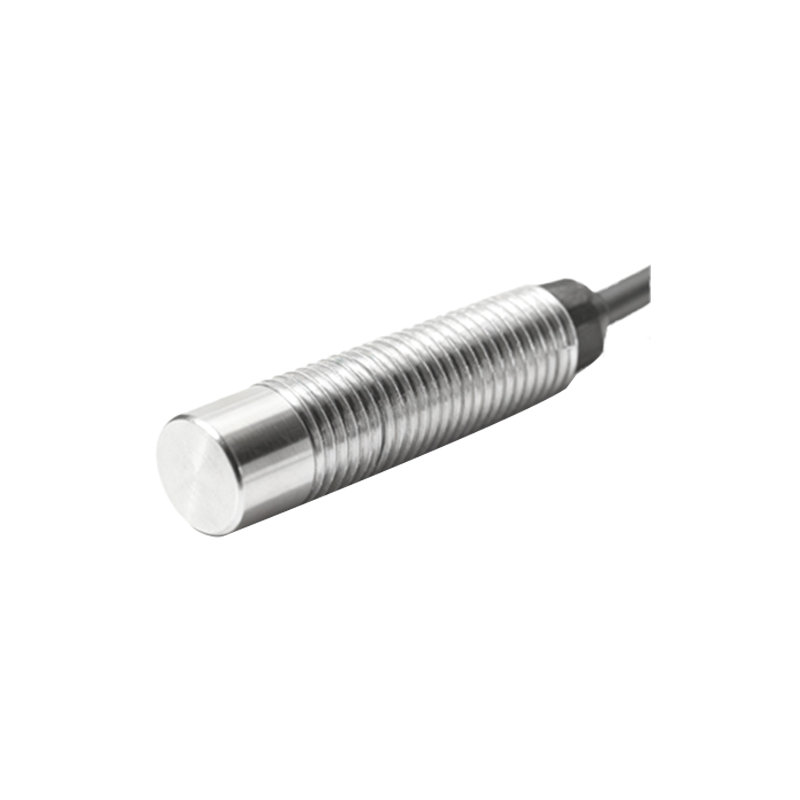
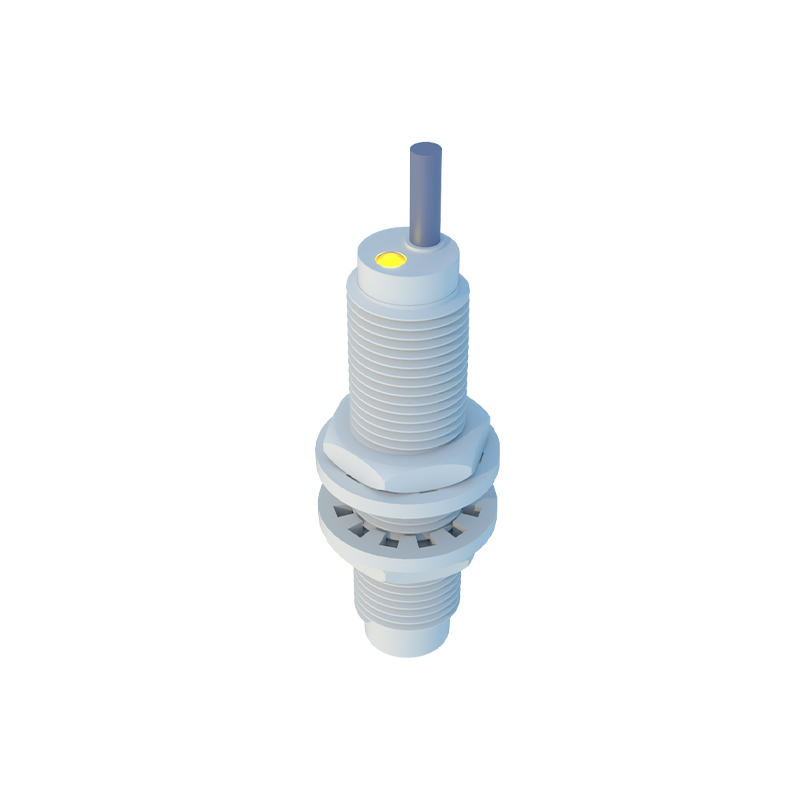
Several sensing principles are employed in modern dexterous hands, each with distinct advantages. Capacitive sensing is highly effective for detecting a wide range of materials, including human skin, plastics, and metals. It works by measuring changes in capacitance between the sensor electrode and a target object. This technology is exceptionally suitable for collaborative robotics where detecting a nearby human operator is paramount for safety. Optical sensors, including infrared (IR) and time-of-flight (ToF) variants, use emitted and reflected light to calculate distance. They offer excellent range and resolution, making them ideal for mapping object contours and guiding complex manipulation sequences in variable lighting conditions. Inductive sensors, while limited to detecting metallic objects, provide extremely reliable and robust performance in industrial settings, such as in automated assembly lines where components are metal.
The integration of these sensors into a multi-fingered, articulated hand presents significant engineering challenges. Designers must contend with stringent space constraints, as sensors must be miniaturized and embedded within finger links, fingertips, and even the palm without hindering the hand's range of motion. Furthermore, the sensor system must be robust enough to withstand potential impacts, vibrations, and environmental factors like dust or coolant splashes in industrial applications. Signal processing is another critical hurdle. The hand's control unit must fuse data from an array of proximity sensors—often dozens—with information from tactile and force sensors to build a coherent model of the interaction. This sensor fusion is key to achieving truly adaptive and intelligent manipulation.
The applications for dexterous hands equipped with sophisticated proximity sensing are vast and growing. In advanced manufacturing, they enable robots to perform complex kitting and assembly tasks with mixed and irregularly placed parts, reducing the need for expensive, rigid fixturing. In logistics and warehousing, they allow for the gentle and reliable handling of diverse products, from rigid boxes to deformable packages. Perhaps the most promising domain is in healthcare and assistive robotics. Prosthetic hands with proximity sensing can provide users with a sense of object presence, leading to more intuitive control and reducing cognitive load. Surgical robots can use this technology to enhance spatial awareness within a confined operative field.
Looking forward, the trend is toward higher-density sensor arrays, increased miniaturization, and the development of novel materials like flexible and stretchable sensor skins that can conform to complex curved surfaces. Machine learning algorithms are being leveraged to interpret the rich, multi-modal sensor data, enabling the hand to predict object slip, recognize textures pre-contact, and learn optimal grasping strategies autonomously. The convergence of advanced sensing, intelligent control, and innovative mechanical design continues to push the boundaries of what robotic hands can achieve, moving us closer to seamless and safe interaction between machines and the physical world.